
In October 2026, I checked into the King Premier Urban Suite at Waldorf Astoria Kuala Lumpur. Occupying the former site of the landmark Hotel Istana Kuala Lumpur along Jalan Raja Chulan between the commercial heart of the Golden Triangle and the shopping and entertainment district of Bukit Bintang, the 268-key hotel offers all-suite accommodations within easy reach of Kuala Lumpur’s major attractions, with the iconic Petronas Twin Towers and KL Tower each being 15-20 minutes away on foot.
The surrounding Bukit Bintang district is home to Pavilion Kuala Lumpur, one of the city’s premier shopping malls, as well as the lively Jalan Alor food street and Changkat Bukit Bintang’s bars and restaurants. The Exchange TRX, a major shopping and lifestyle destination, is approximately a 5–10-minute drive away, while the nearby historic Merdeka Square and the bustling Petaling Street offer glimpses into Kuala Lumpur’s cultural heritage. You can expect to take at least 80 minutes to reach Kuala Lumpur International Airport by car.
Nearby hotels include Park Hyatt Kuala Lumpur; The RuMa Hotel and Residences; EQ Kuala Lumpur; Else Kuala Lumpur, a Member of Design Hotels; JW Marriott Hotel Kuala Lumpur; and The Ritz-Carlton, Kuala Lumpur. Other notable Waldorf Astoria hotels in the region include Waldorf Astoria Osaka, Waldorf Astoria Bangkok and Waldorf Astoria Maldives Ithaafushi. I have also visited Waldorf Astoria Amsterdam and Rome Cavalieri, A Waldorf Astoria Hotel.
Best For: Discerning fans of high-end luxury hotels, Hilton Honors members looking for a pampering, stay, serious fitness enthusiasts, breakfast devotees in search of an exceptional morning spread, and anyone who takes the business of sleeping seriously.
Must Dos: Explore the bespoke guest enhancements available through your in-room tablet; savour breakfast (and dinner) at Istana; make time for the hotel’s various dining and drinking venues; work up a sweat at the impressive Wellness Studio; take a leisurely tour of the property’s art collection.
WALDORF ASTORIA KUALA LUMPUR
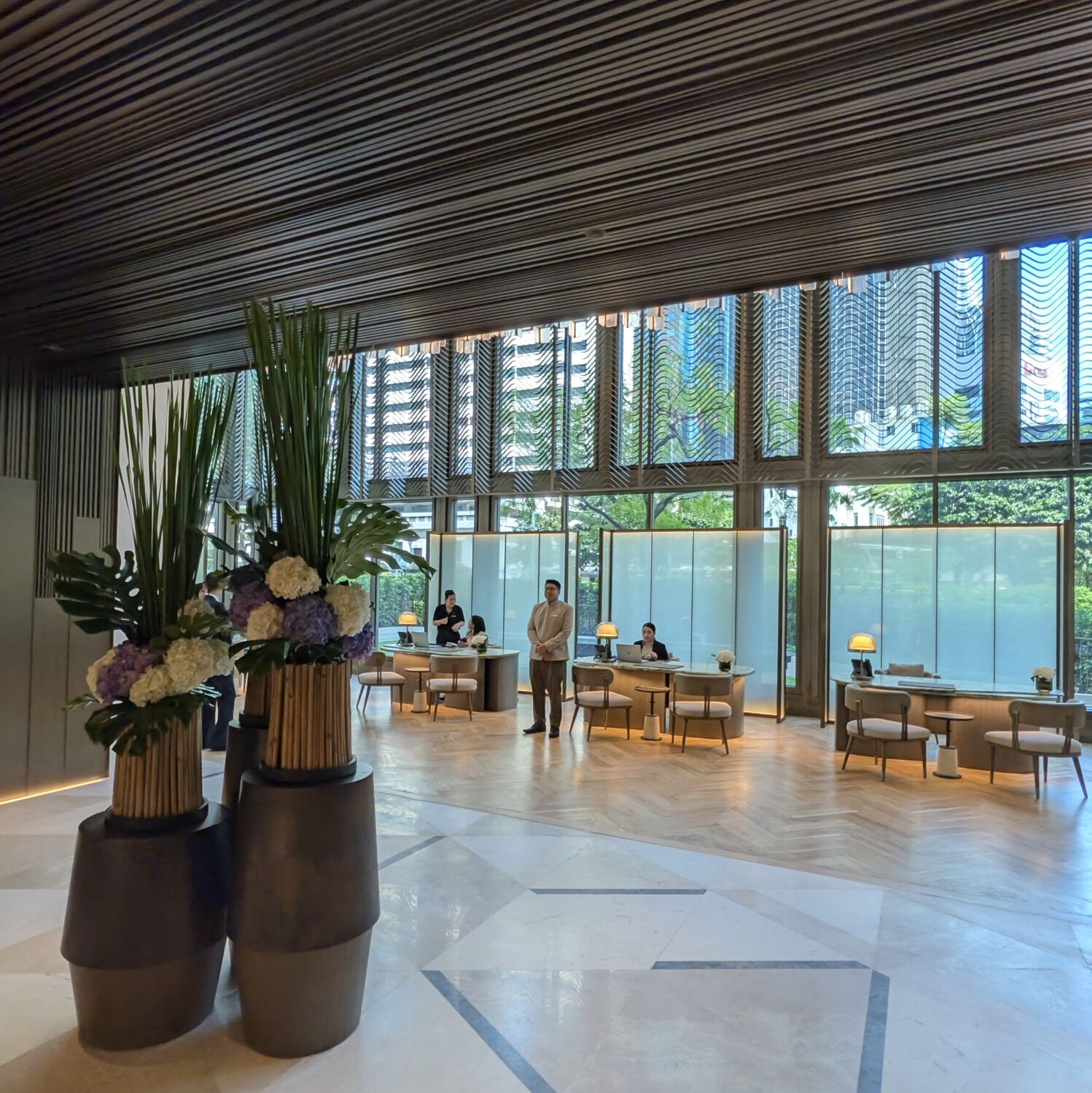
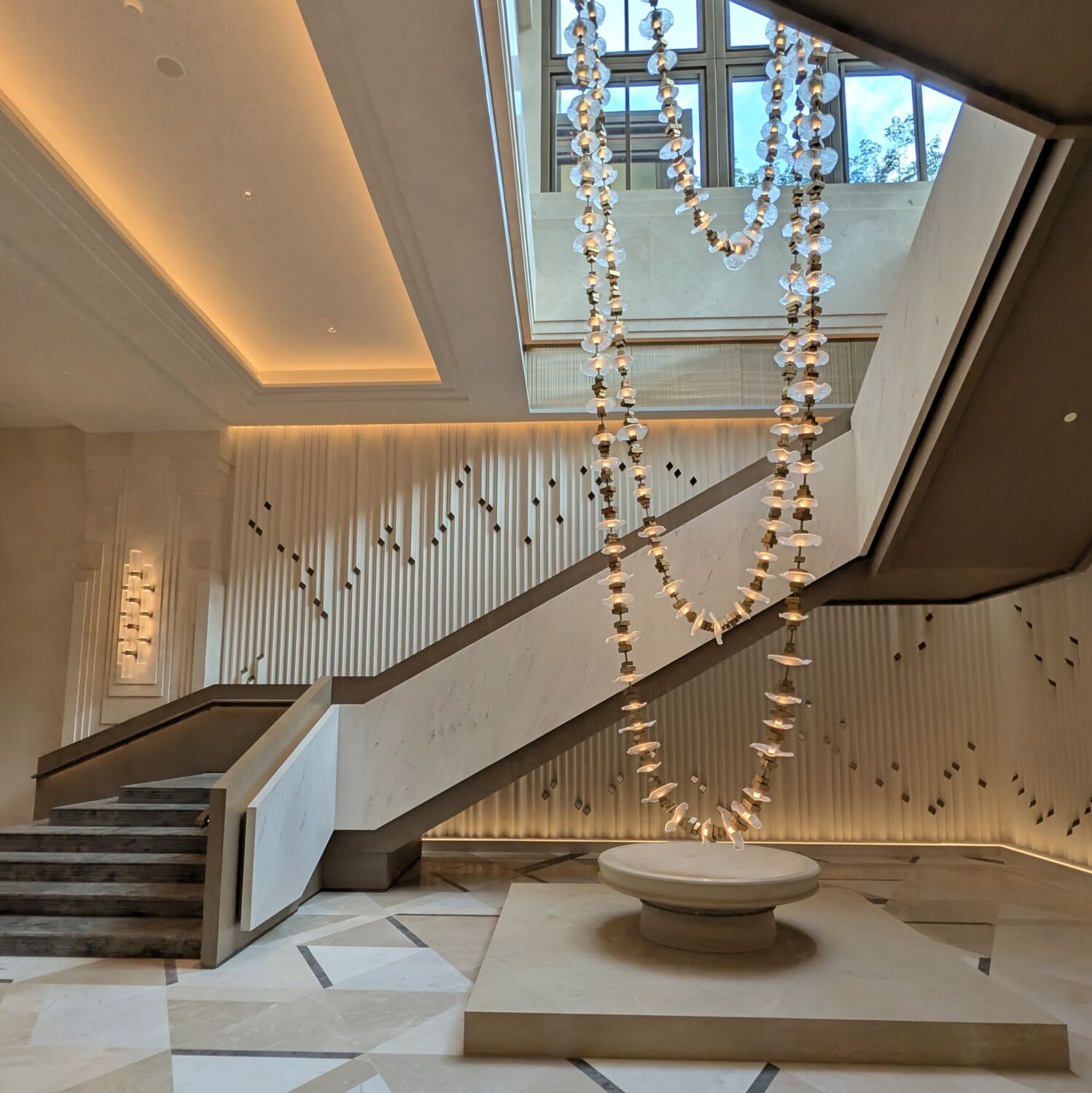
Conceived by acclaimed design studio LW Design (behind The Dubai EDITION, Raffles Dubai and Raffles Shenzhen), Waldorf Astoria Kuala Lumpur’s interiors combine contemporary design with references to Malaysian heritage. Grand architectural proportions and impressively high ceilings feature throughout the public areas, while the design incorporates locally inspired patterns, traditional motifs and references to Kuala Lumpur’s colonial-era architecture. The property is spread across two towers, with the West Tower primarily housing the hotel’s all-suite accommodations, while the East Tower is dedicated largely to its dining and social venues.
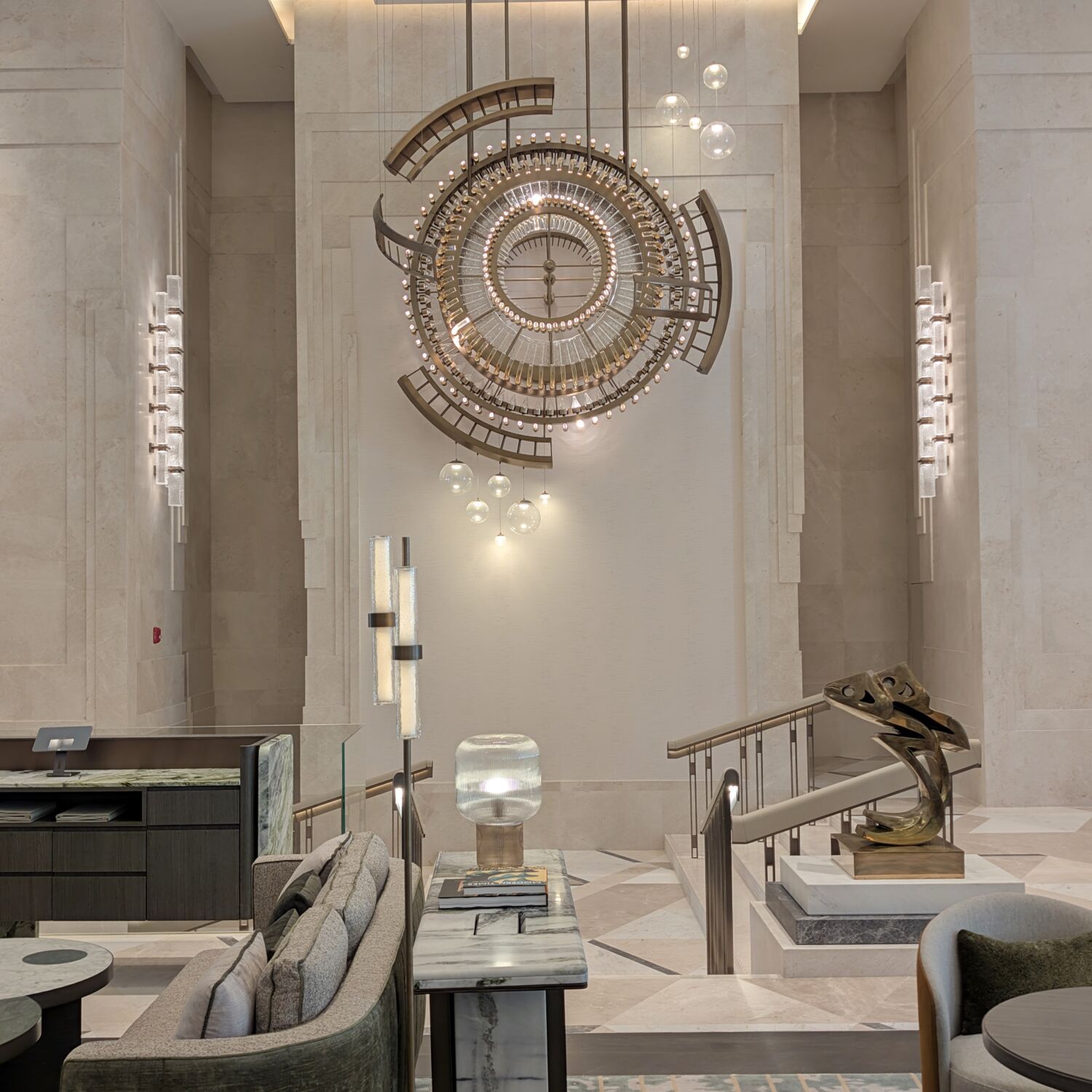
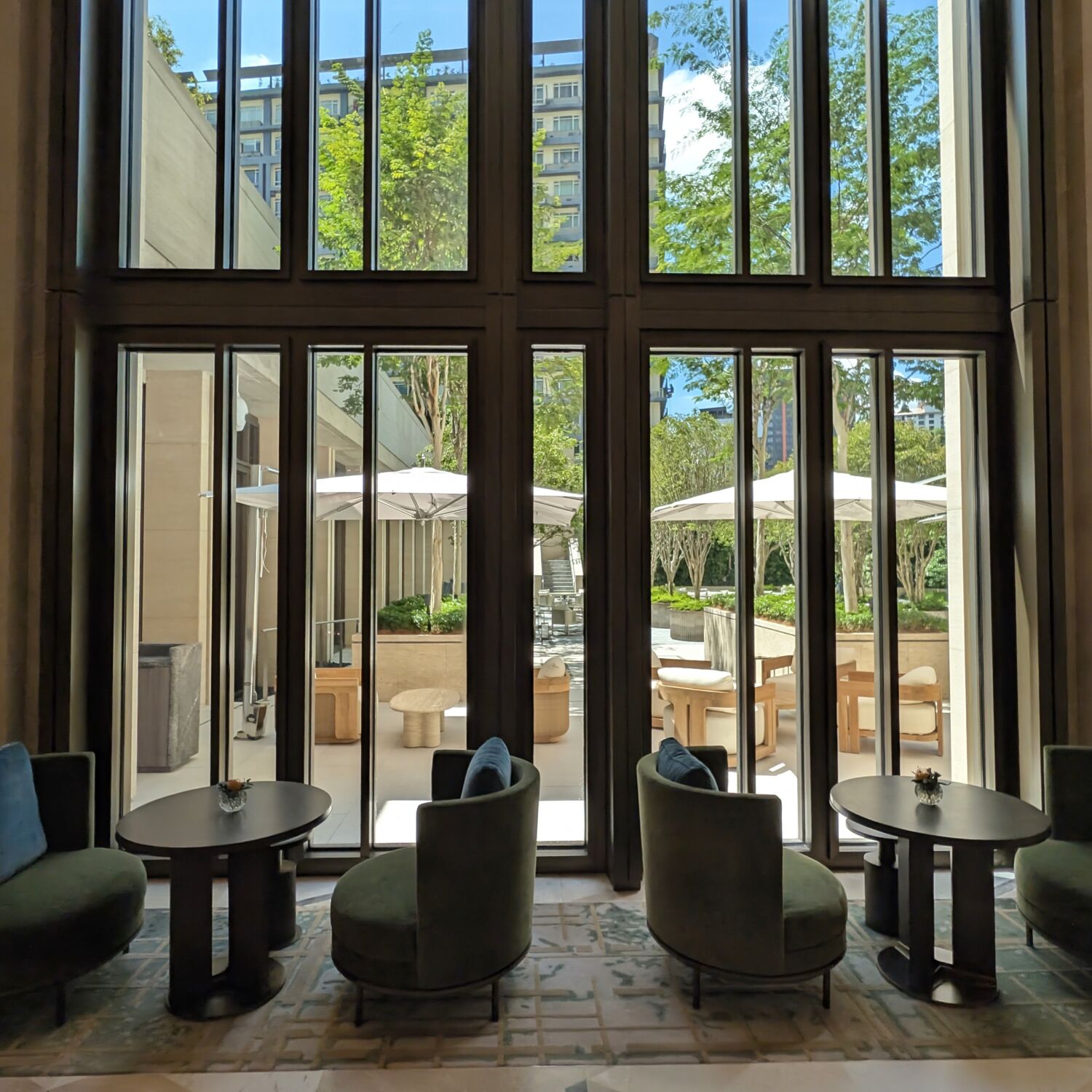
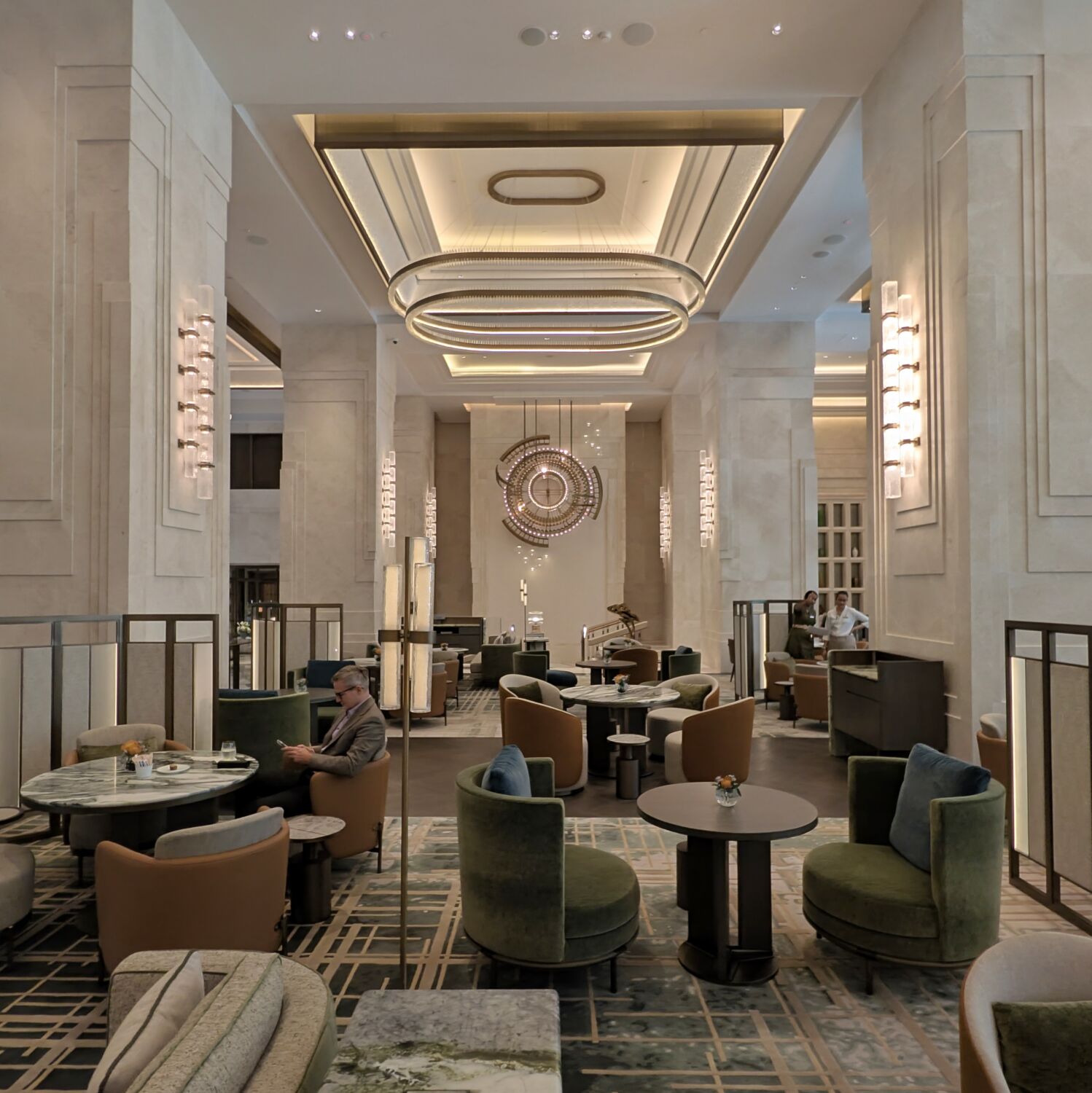
One of the more recognisable design features is the hotel’s interpretation of the iconic Waldorf Astoria clock, a signature fixture across the brand’s portfolio. Drawing inspiration from the geometry of historic Islamic astrolabes, the timepiece features bronze and illuminated glass, with subtle Art Deco detailing. It stands at the entrance of Peacock Alley, the hotel’s signature social space, where high ceilings, stone-clad columns and Songket-inspired textiles set the scene for daytime lounging and evening drinks. Floor-to-ceiling windows look out onto lush landscaped terraces, bringing a welcome touch of greenery into the otherwise grand interiors. There is an air of understated classiness about the ground-level spaces that reminded me somewhat of Four Seasons Hotel Bangkok at Chao Phraya River – that particular blend of urban luxury and resort-like tranquillity that makes you momentarily forget you are right in the middle of a bustling city.
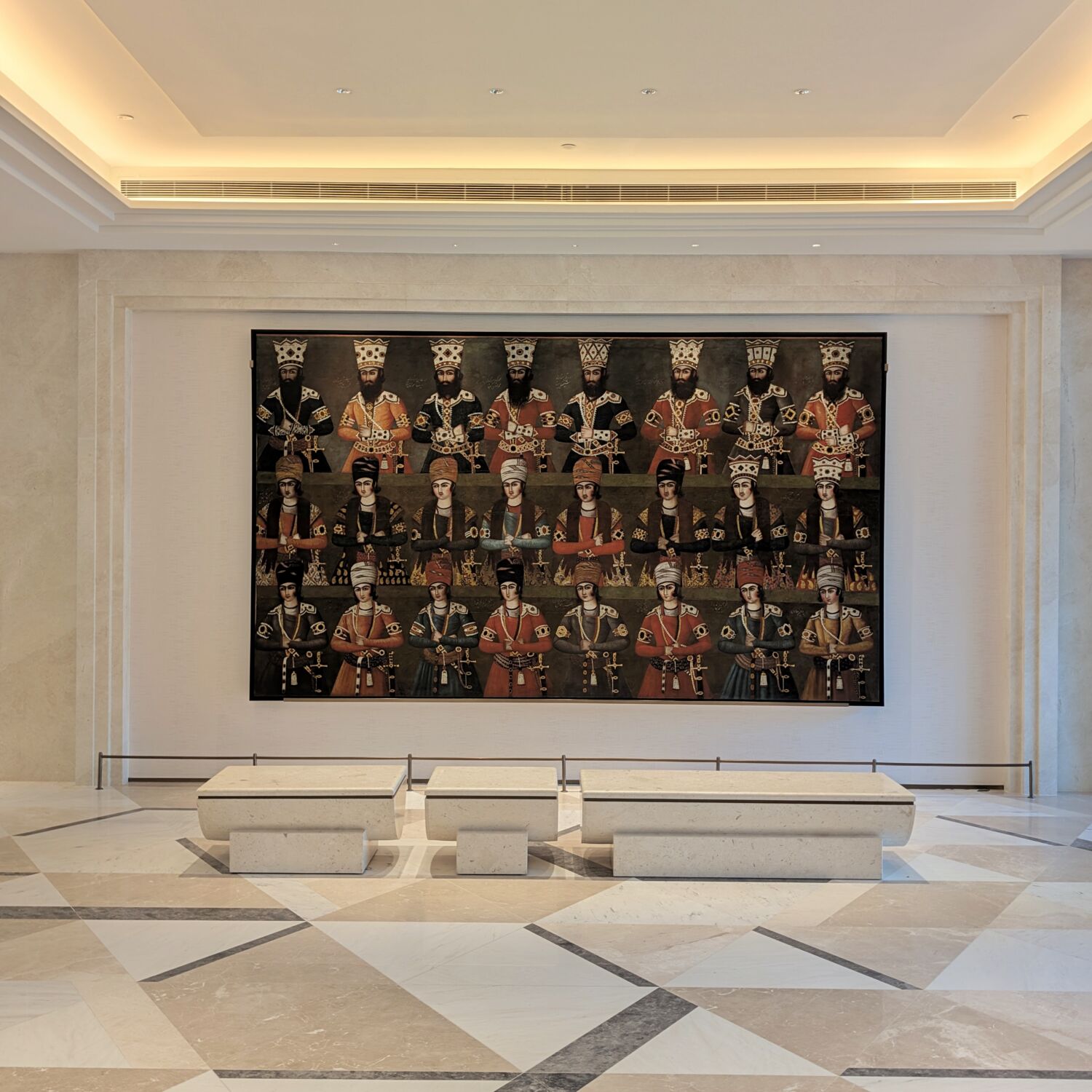
The hotel’s appreciation for Islamic art and heritage is further reflected in its collection of artefacts and artworks, displayed throughout the public spaces in collaboration with the Islamic Arts Museum Malaysia. Among the more notable pieces is a large 19th-century painting depicting Qajar princes in the Grand Lobby, alongside works by Malaysian artists displayed elsewhere throughout the property.
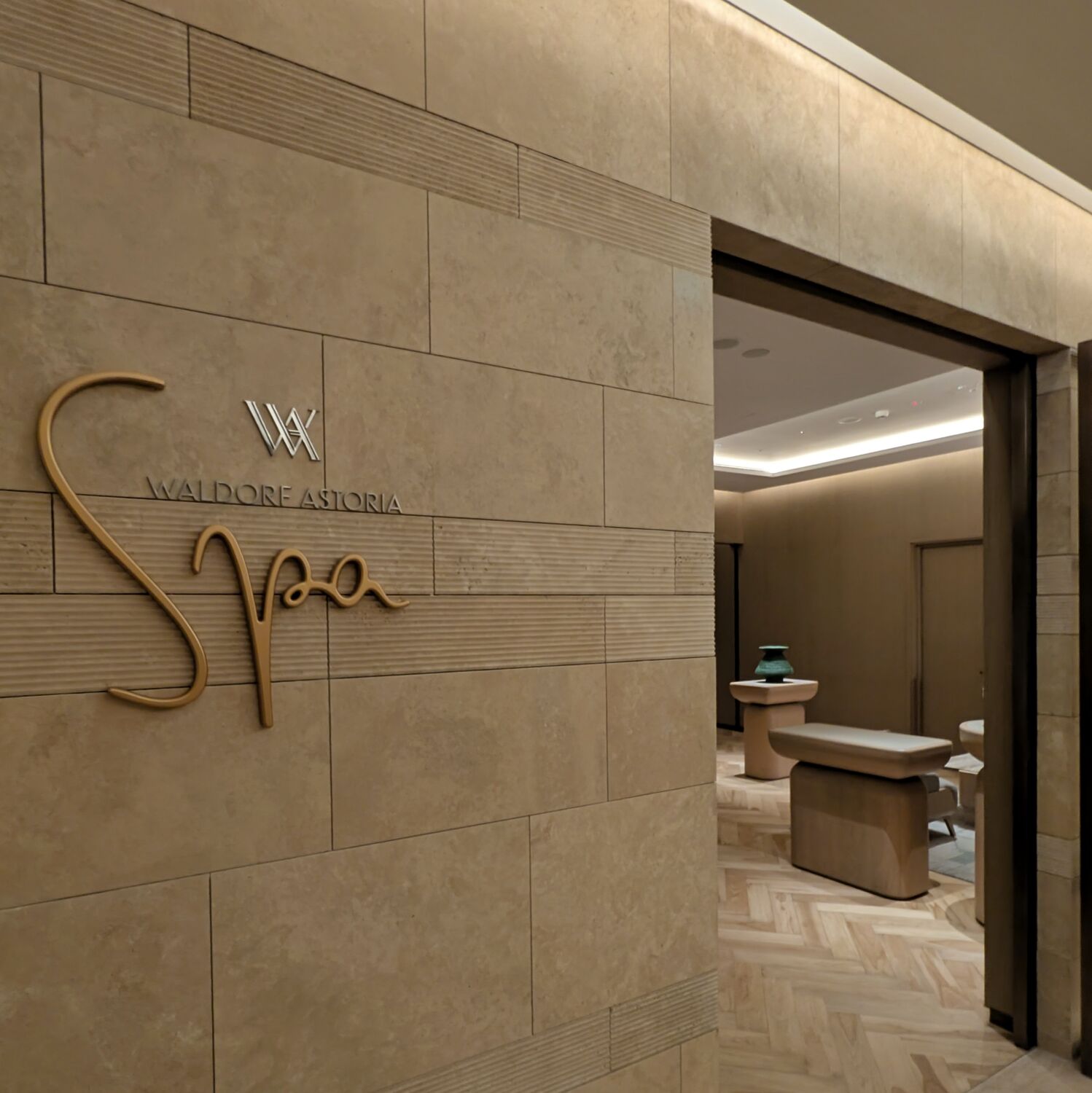
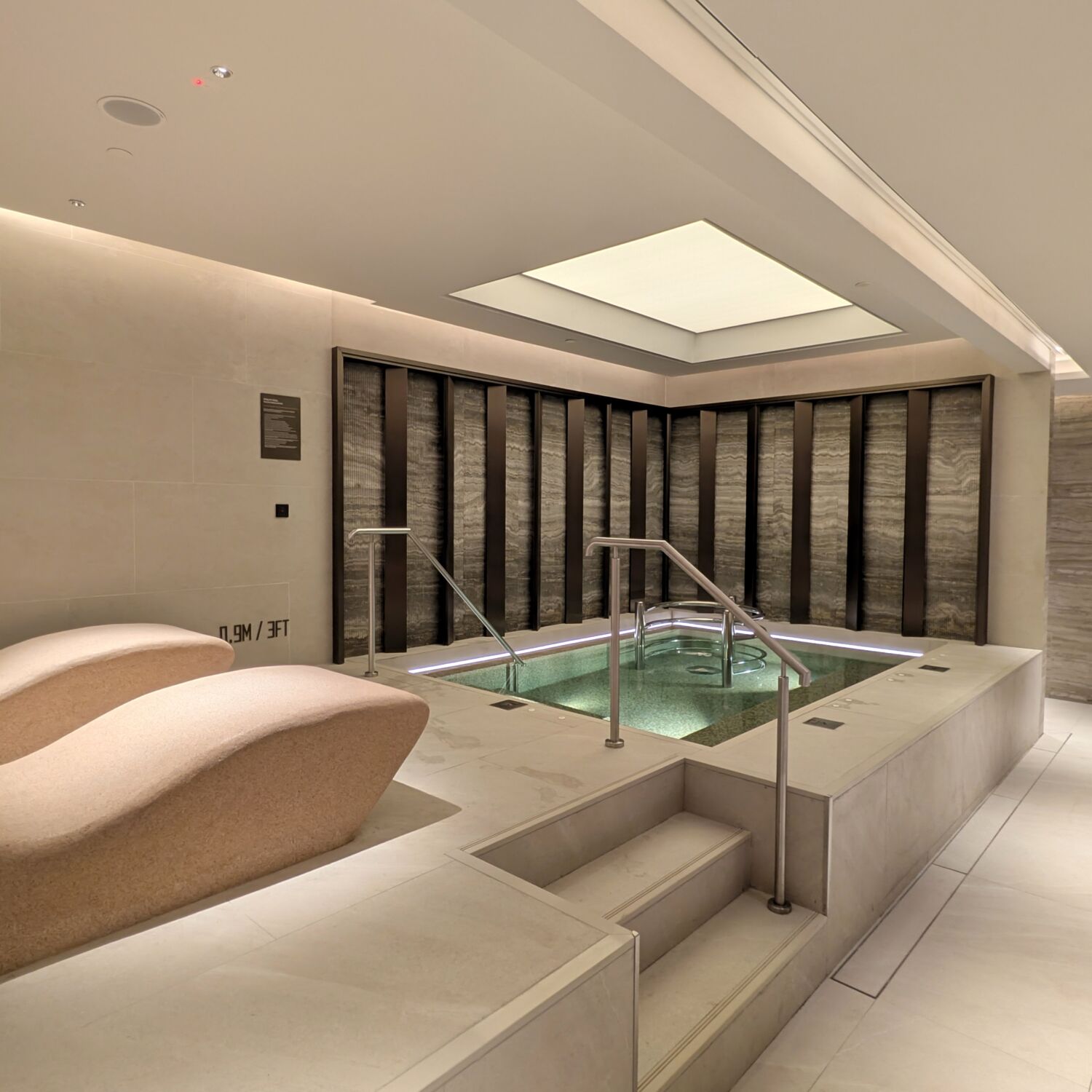
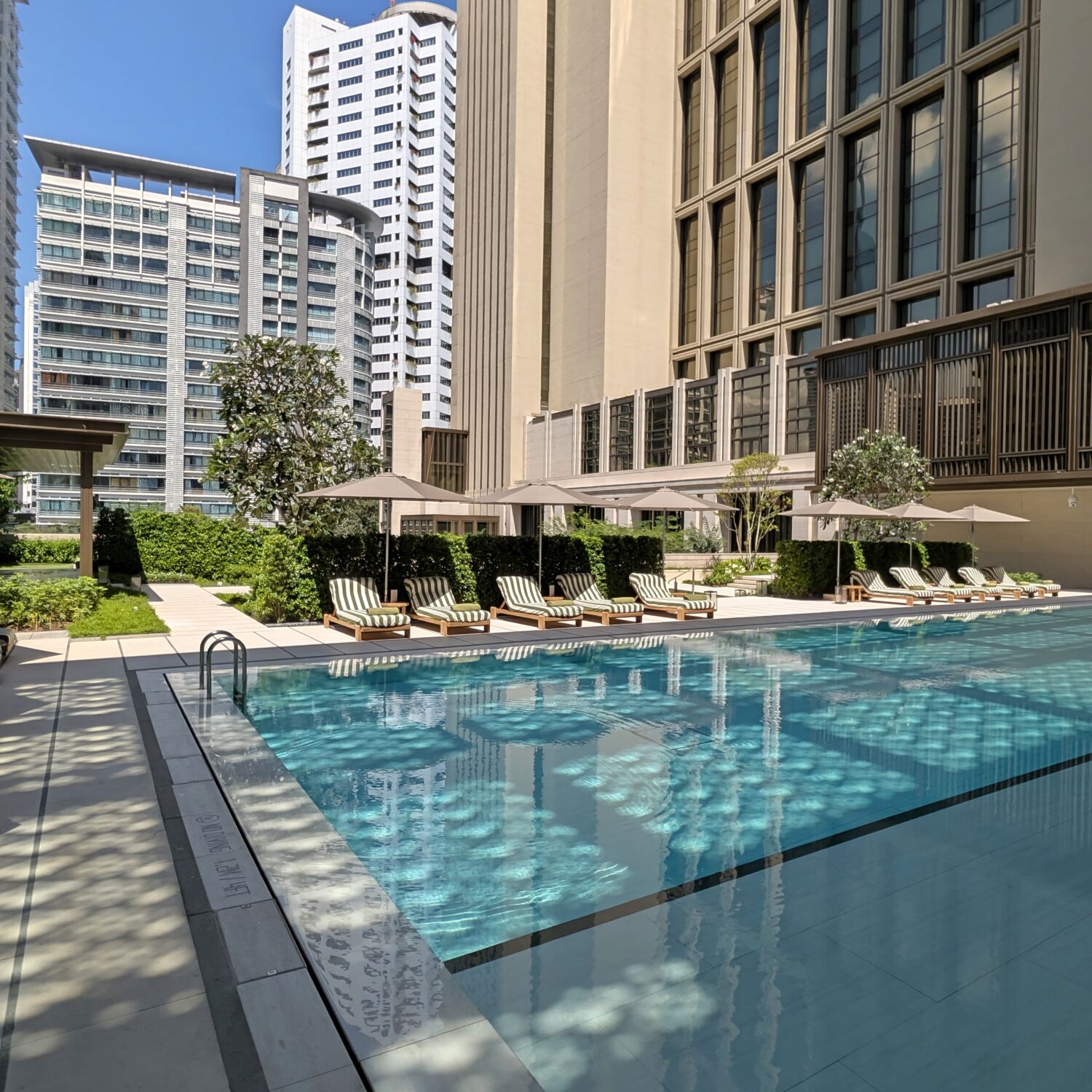
In terms of wellness, the hotel dedicates an impressive 2,275 square metres across two floors to its spa and fitness facilities. The Waldorf Astoria Spa offers treatments by Swiss luxury skincare house La Prairie, complemented by various hydrothermal and recovery facilities, including herbal steam rooms, mineral salt saunas, vitality pools, hydrotherapy bathtubs, an Oriental Hammam and multisensory showers. Unfortunately, much of the spa remained closed at the time of my visit. The 20-metre swimming pool was also not available for guest use.
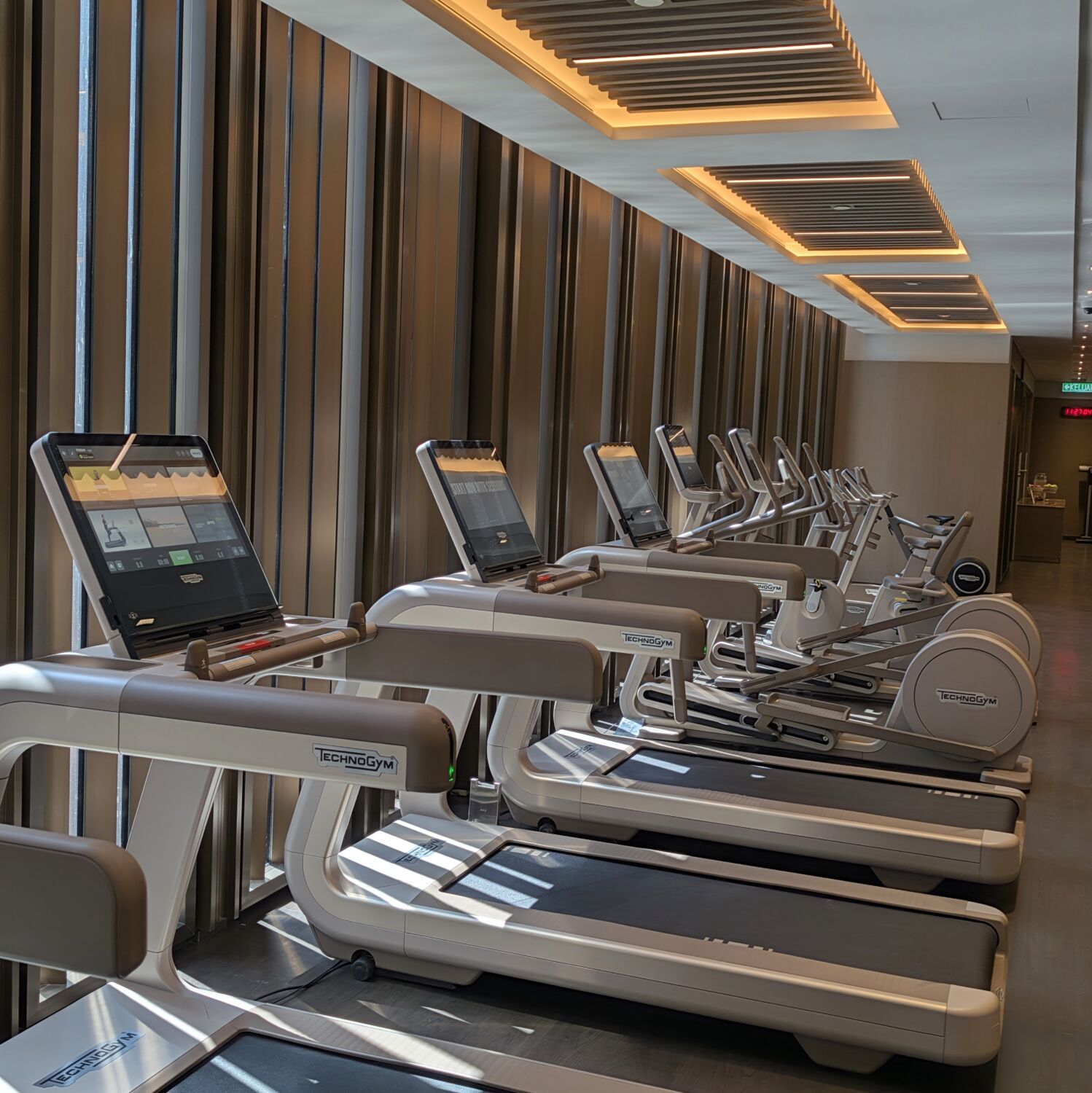
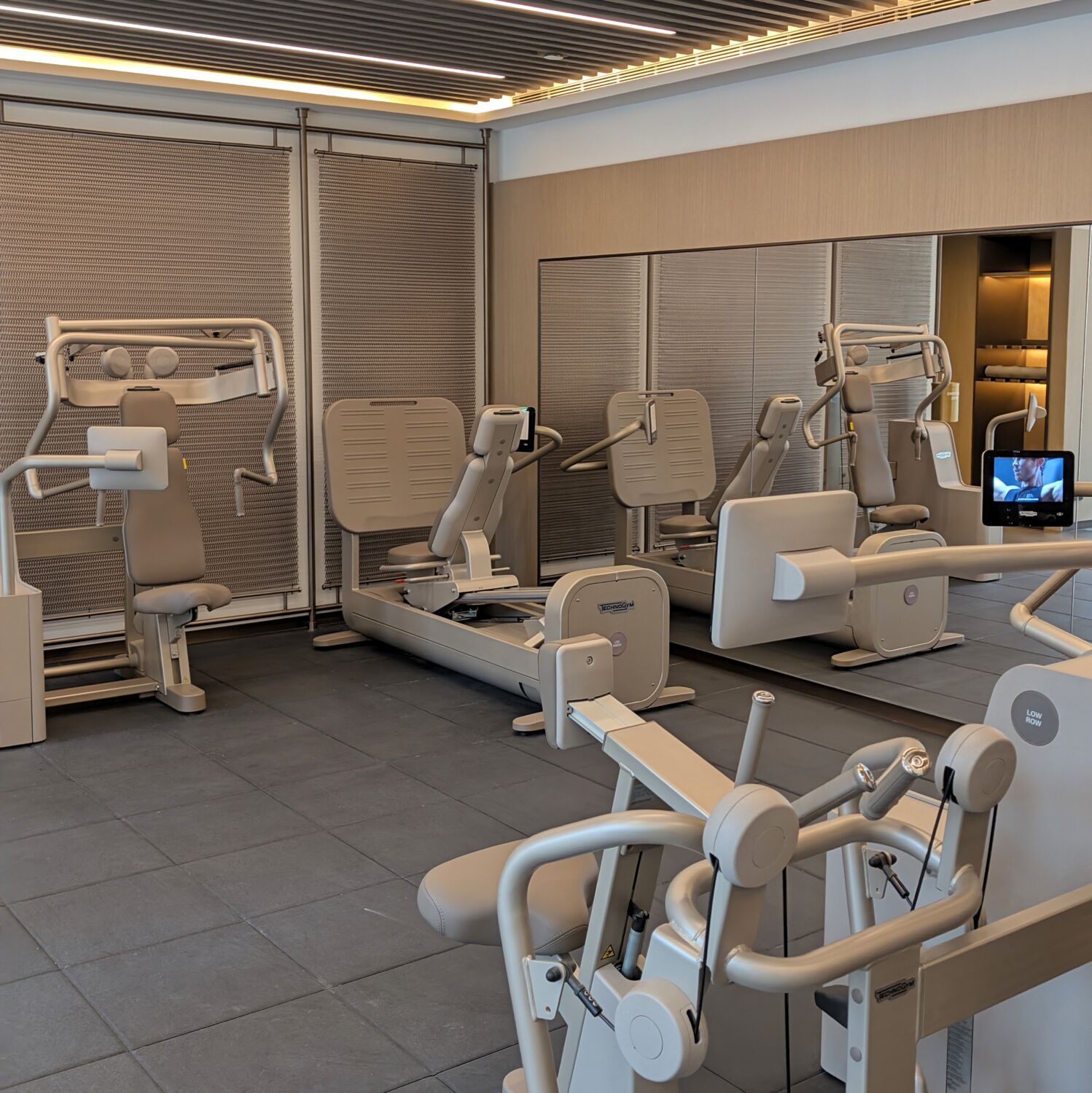
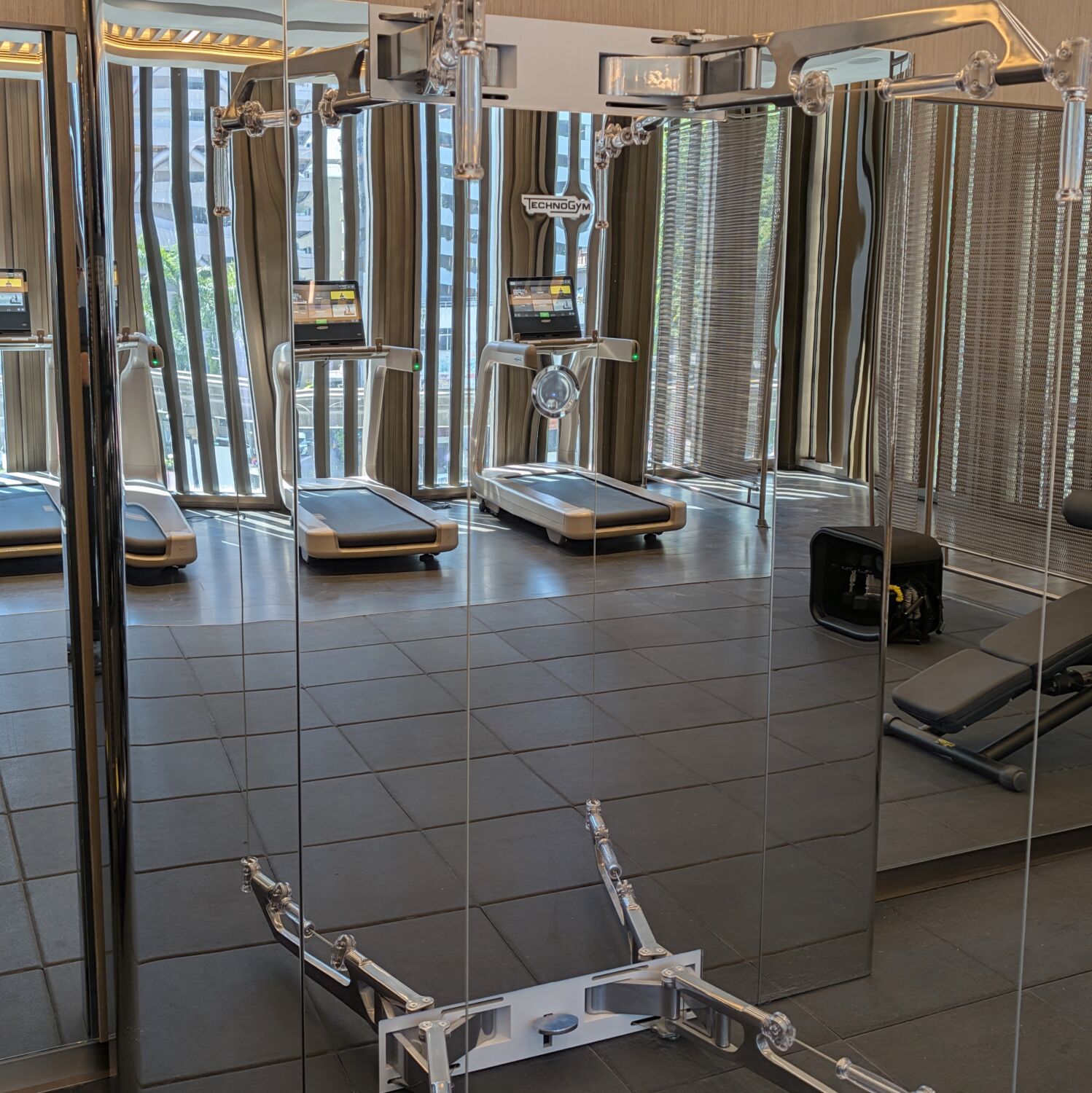
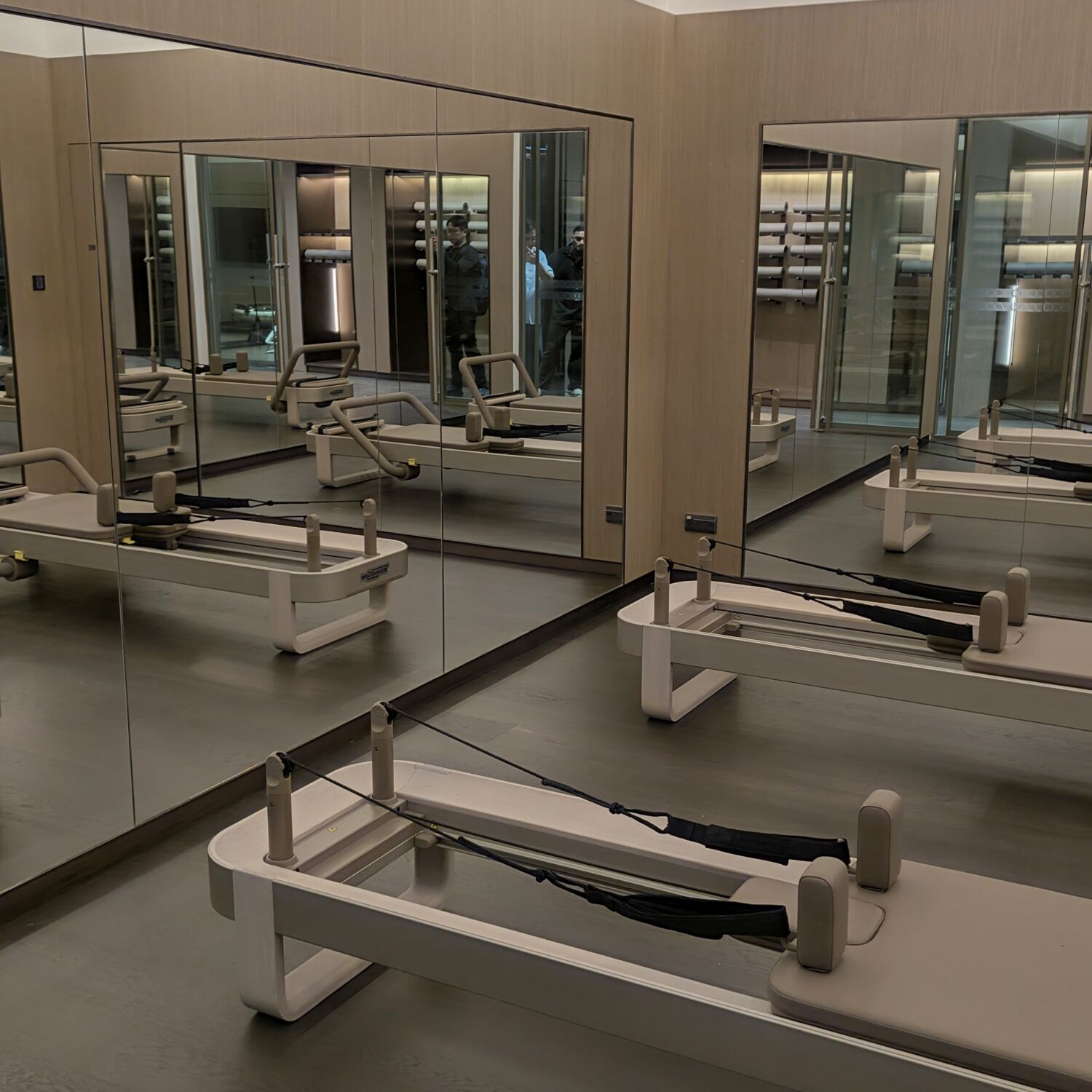
The real showstopper, however, is the Wellness Studio, which is billed as the first gym in Malaysia to feature the complete Technogym Sand Stone Collection. The equipment selection is nothing short of impressive, with an exceptionally comprehensive range of strength and conditioning machines, including the Technogym Kinesis Personal, Biostrength and Reform systems. (Some of the machines I tried gamify your reps – imagine shoulder presses meets Dance Dance Revolution.) The Technogym Checkup, an AI-powered fitness assessment system, further allows guests to receive personalised fitness evaluations with the assistance of the hotel’s in-house fitness team. Beyond the conventional gym setup, the studio also hosts daily wellness classes in its multi-purpose movement space, while an outdoor yoga pavilion provides an alternative setting for more mindful movement.
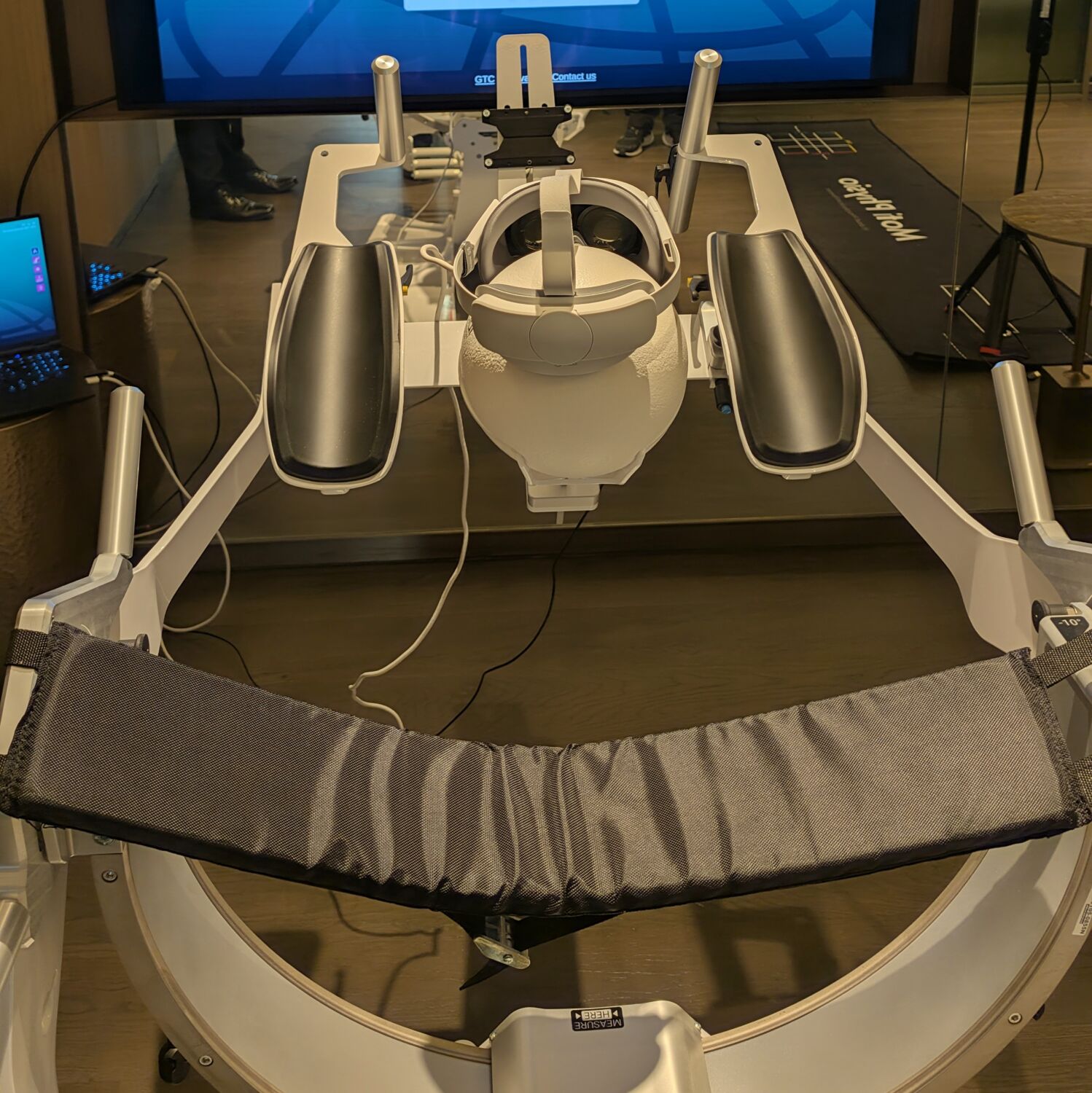
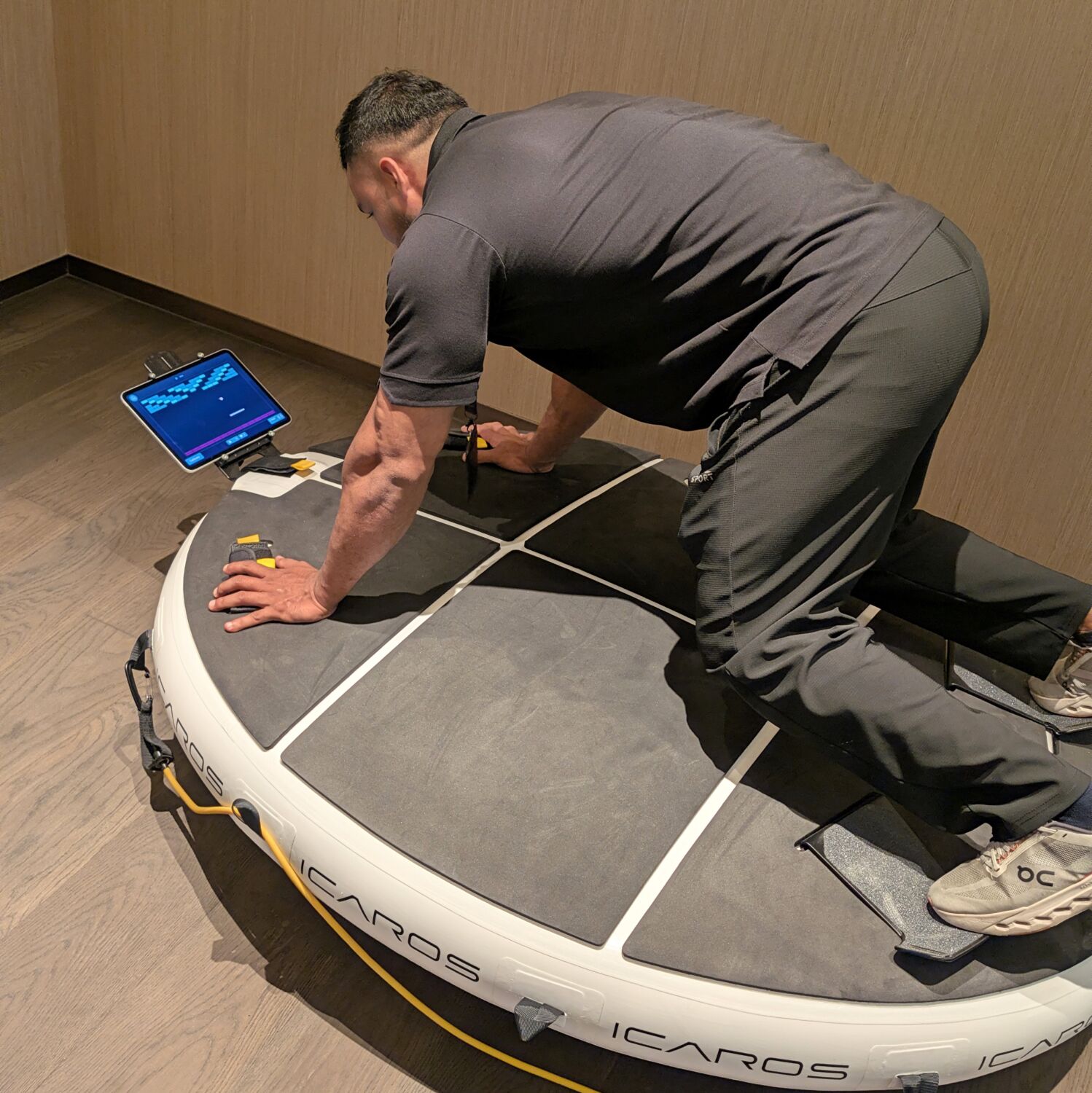
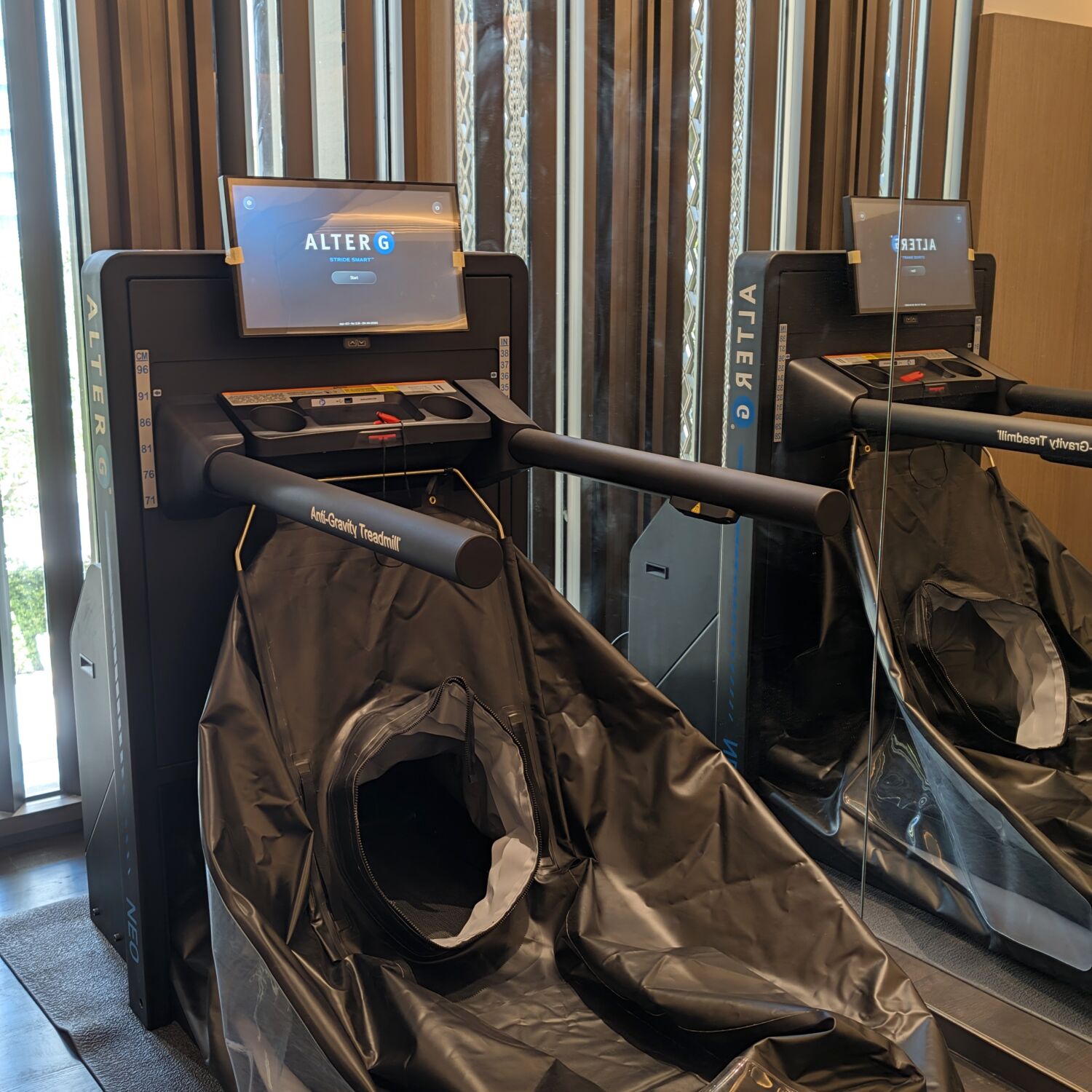
More specialised offerings – available at an additional charge – include the ICAROS Health, a technology-assisted rehabilitation system designed to improve core strength, balance and coordination, and the ICAROS Cloud, which delivers gamified full-body workouts through an interactive balance-training platform. These are complemented by an AlterG anti-gravity treadmill, particularly useful for reduced-impact running, rehabilitation and gait training, alongside a MECOTEC whole-body cryotherapy chamber which exposes users to extremely low temperatures for short sessions as part of a post-exercise recovery regime. I managed to experience the ICAROS Health machine during my visit, and my maiden ICAROS flight involved me gliding in the Hong Kong skies and using my obliques to swerve sharply as I weaved between buildings to avoid collision in manner of Spiderman film or the camera in Blackpink’s “Jump” music video. I also briefly tried the ICAROS Cloud machine, which required using your tabletop positioned body as a human joypad in a game of Space Invaders. My core gave up within 60 seconds.
Easily the most impressive luxury hotel gym in Malaysia…and probably most of the region.
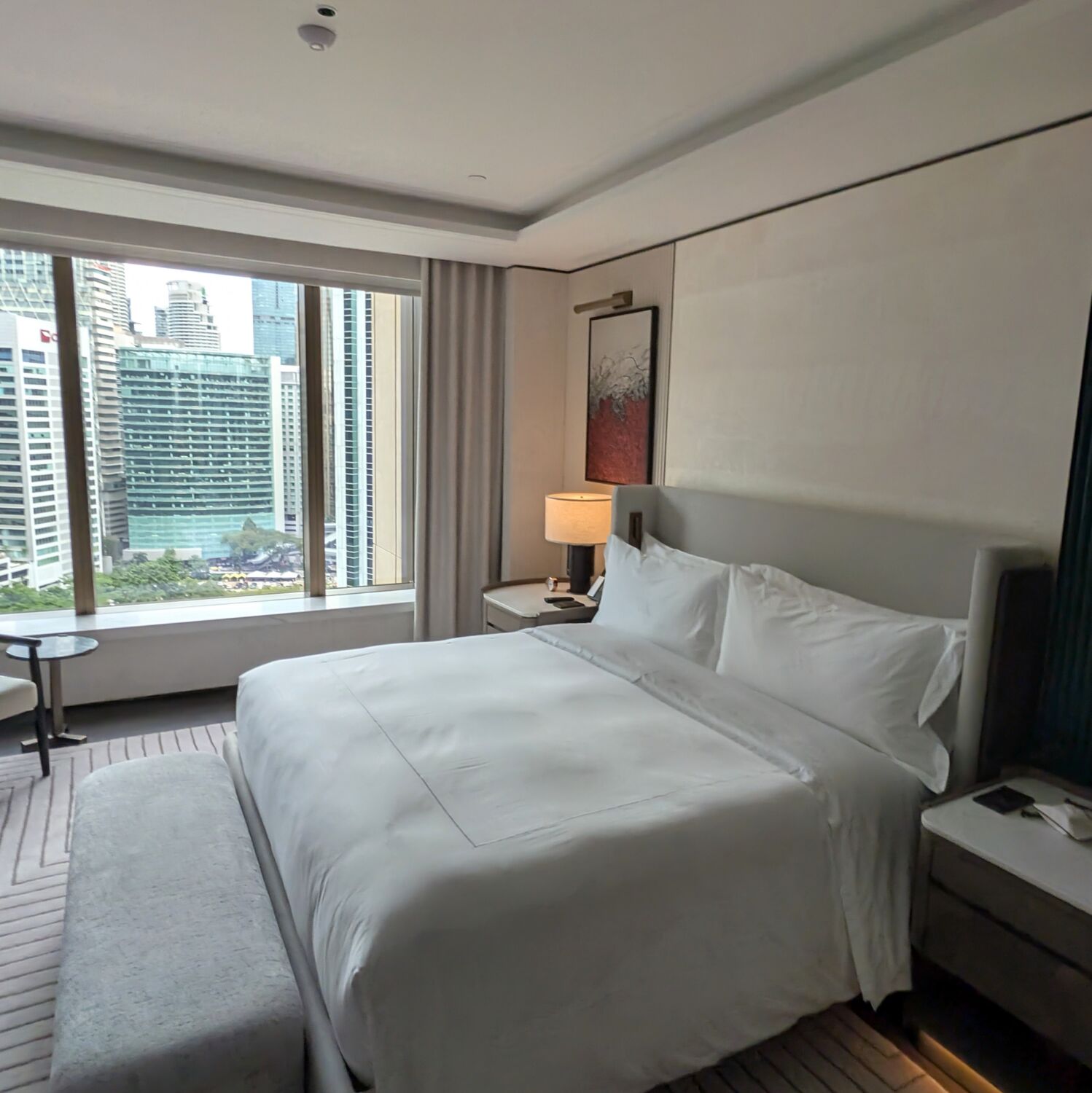
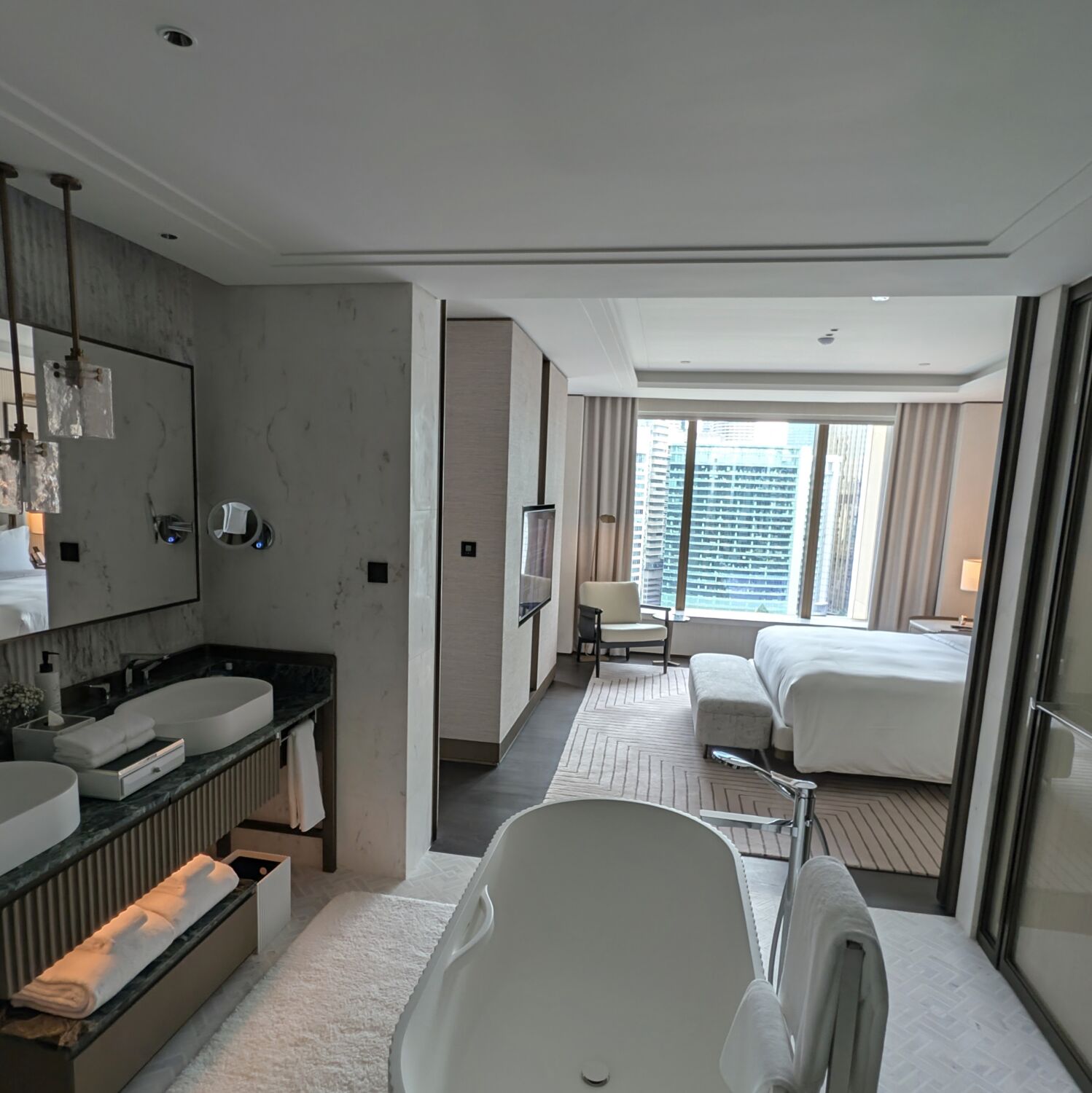
KING PREMIER URBAN SUITE
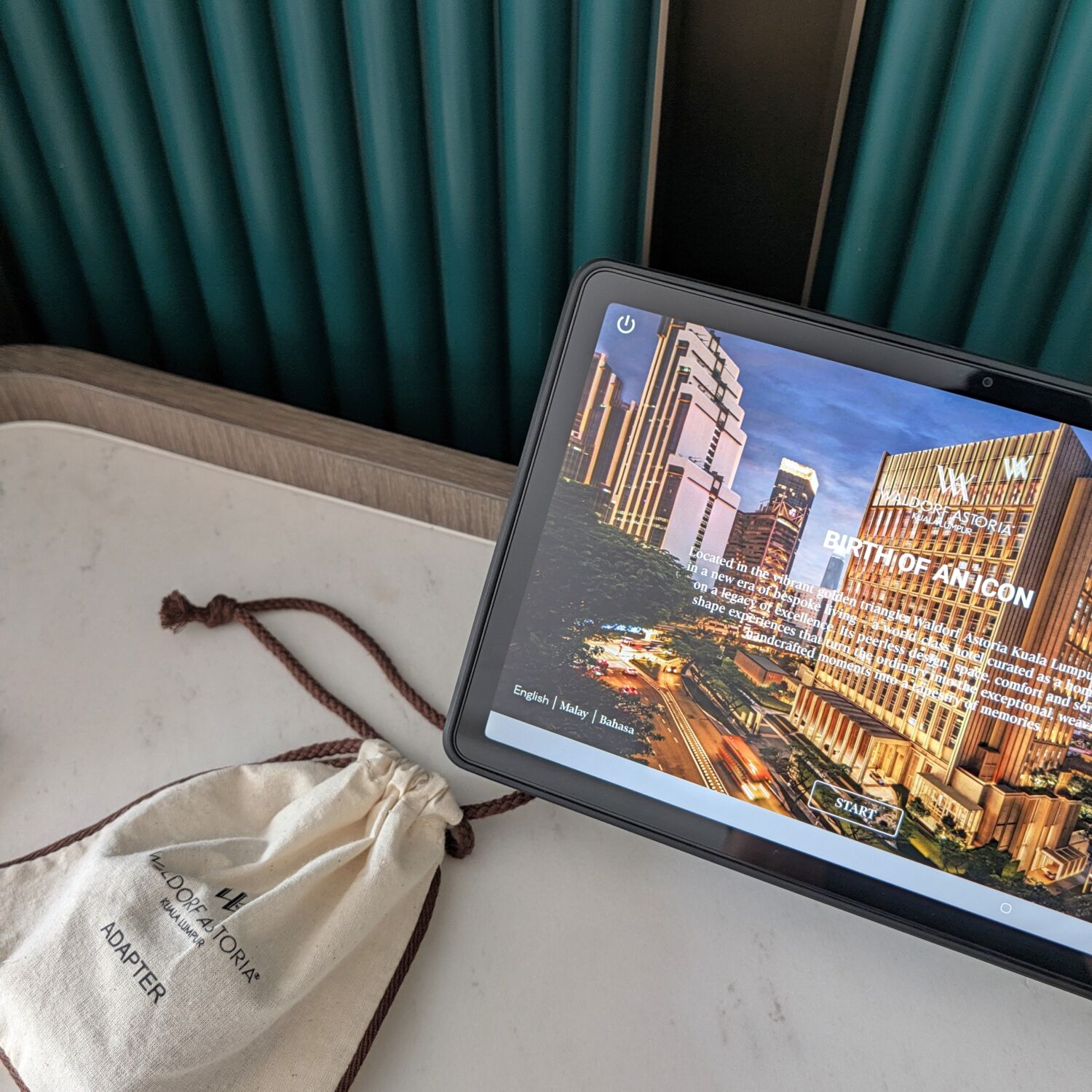
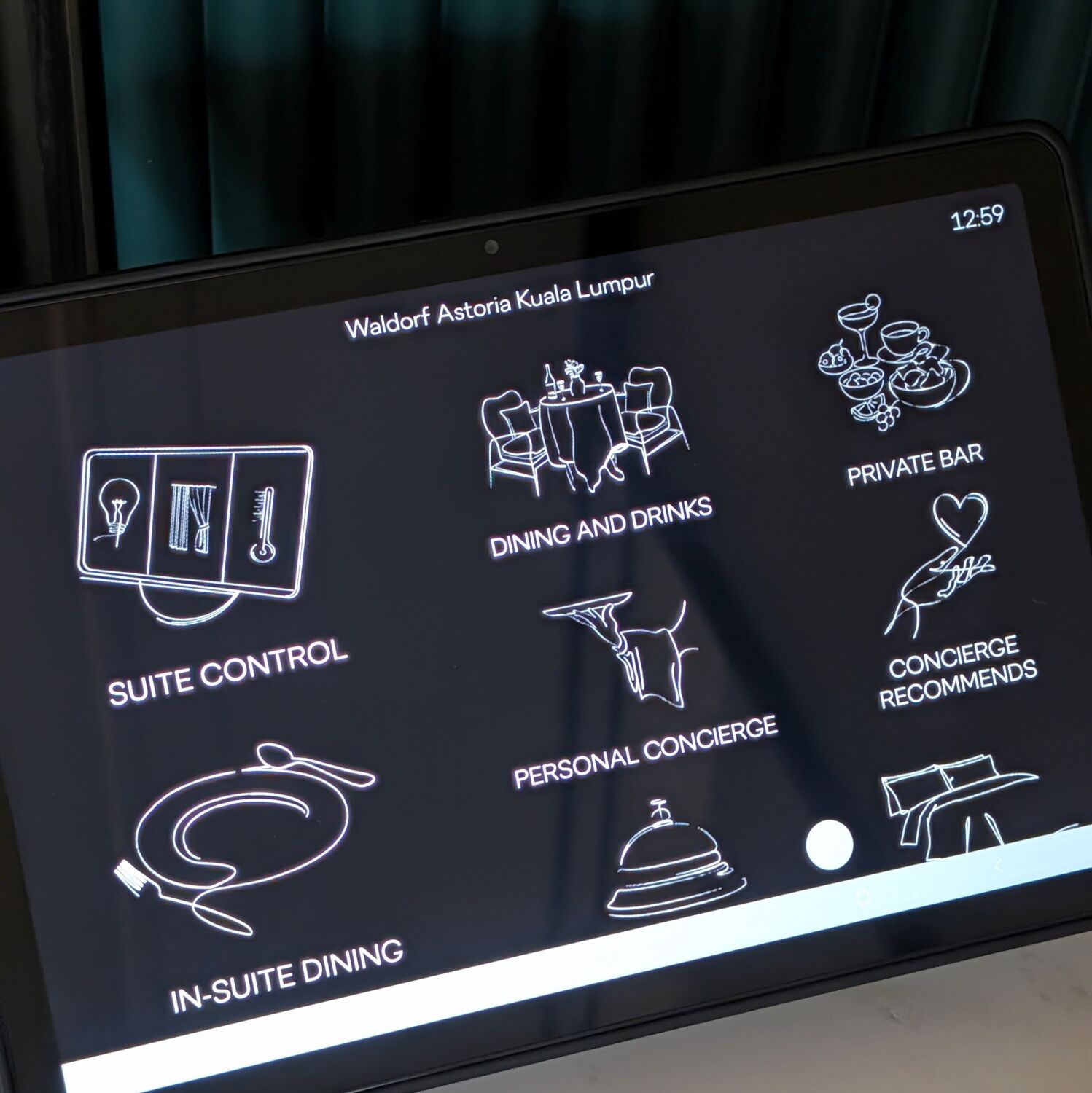
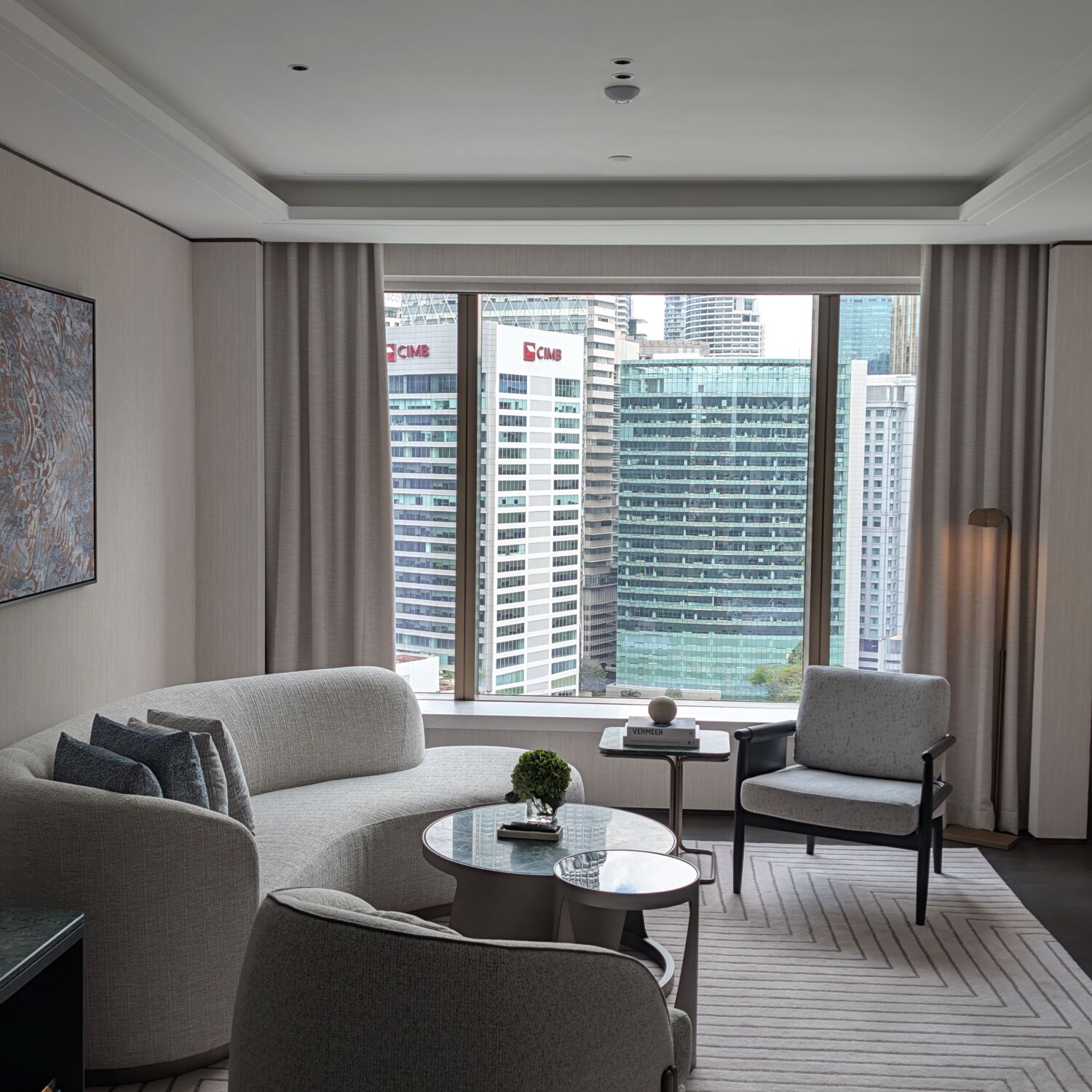
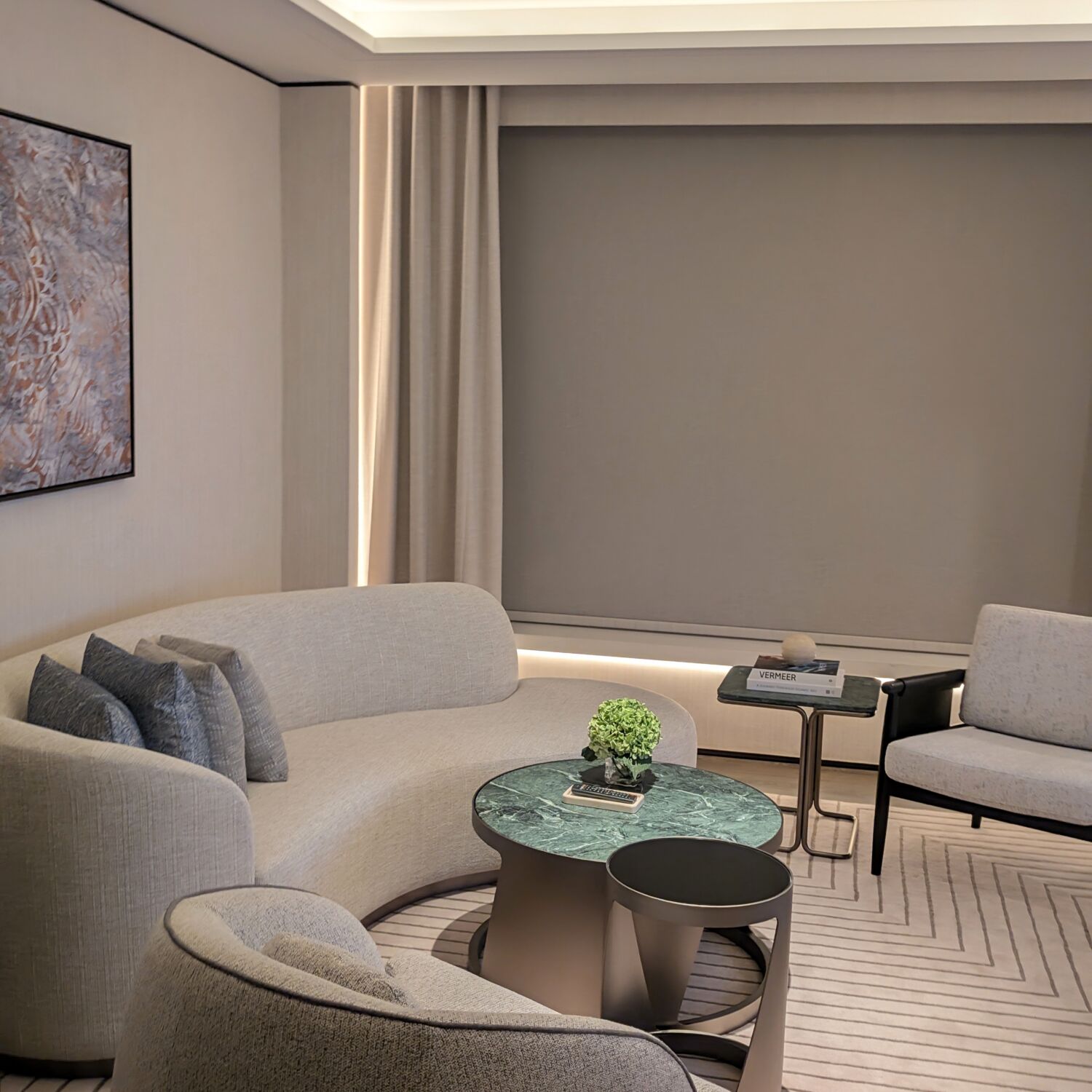
Decked in a muted palette of warm neutrals and complemented by rich Verde Alpi green marble, soft-touch upholstery and custom timber detailing, the 80sqm King Premier Urban Suite strikes a balance between contemporary sophistication and residential comfort. Floor-to-ceiling windows frame partial views of the iconic Petronas Twin Towers and the surrounding city skyline, while Tapendium tablets – conveniently positioned beside the bed and in the living room – provide intuitive control over the suite’s temperature, curtains and lighting, with preset modes including All Lights, Sleep, Relax and Bath. The tablets also provide access to a thoughtful selection of complimentary bespoke in-suite offerings – think Himalayan Rock Salt, Thalion Thalasso and Thalion Ocean bath crystals; bath essential oil blends such as Bath Serenity, Quiet Renewal and Herbal Repose; aromatic pillow mists in lavender, cedarwood, frankincense and sandalwood; access to a white noise machine; and a dedicated pillow menu featuring Tempur Millennium SmartCool, Ombracio SmartCool and Symphony SmartCool pillows.
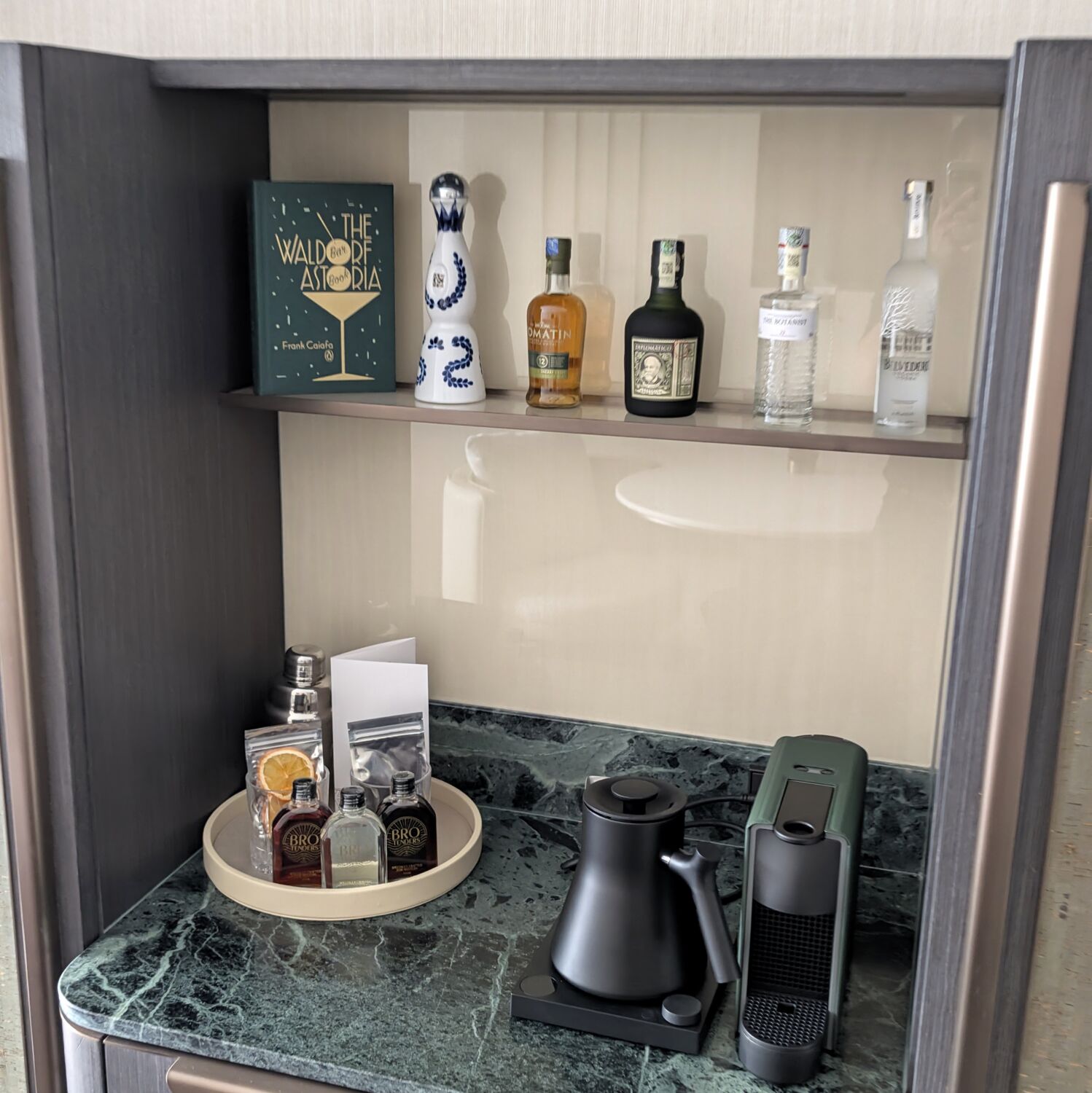
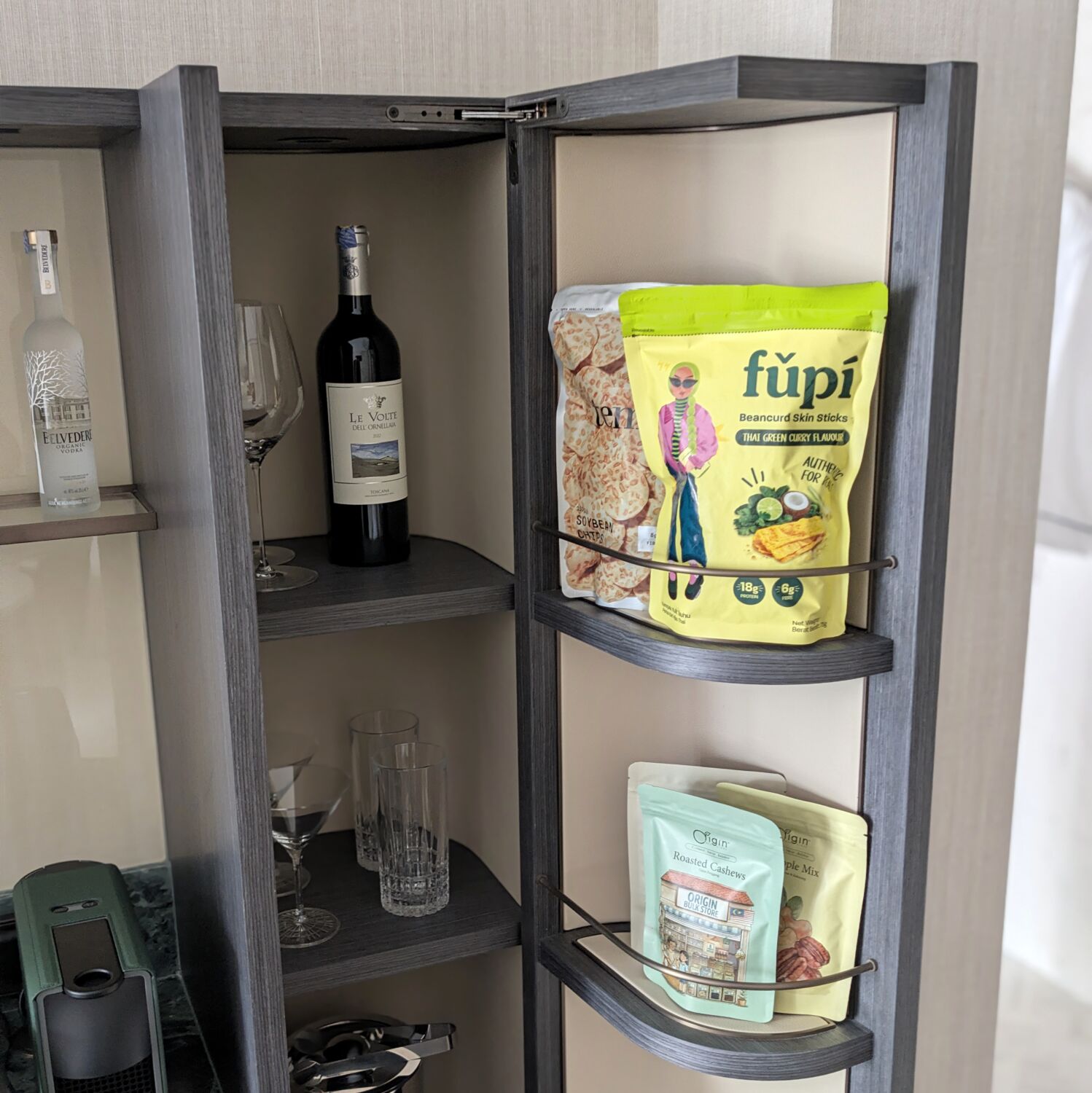
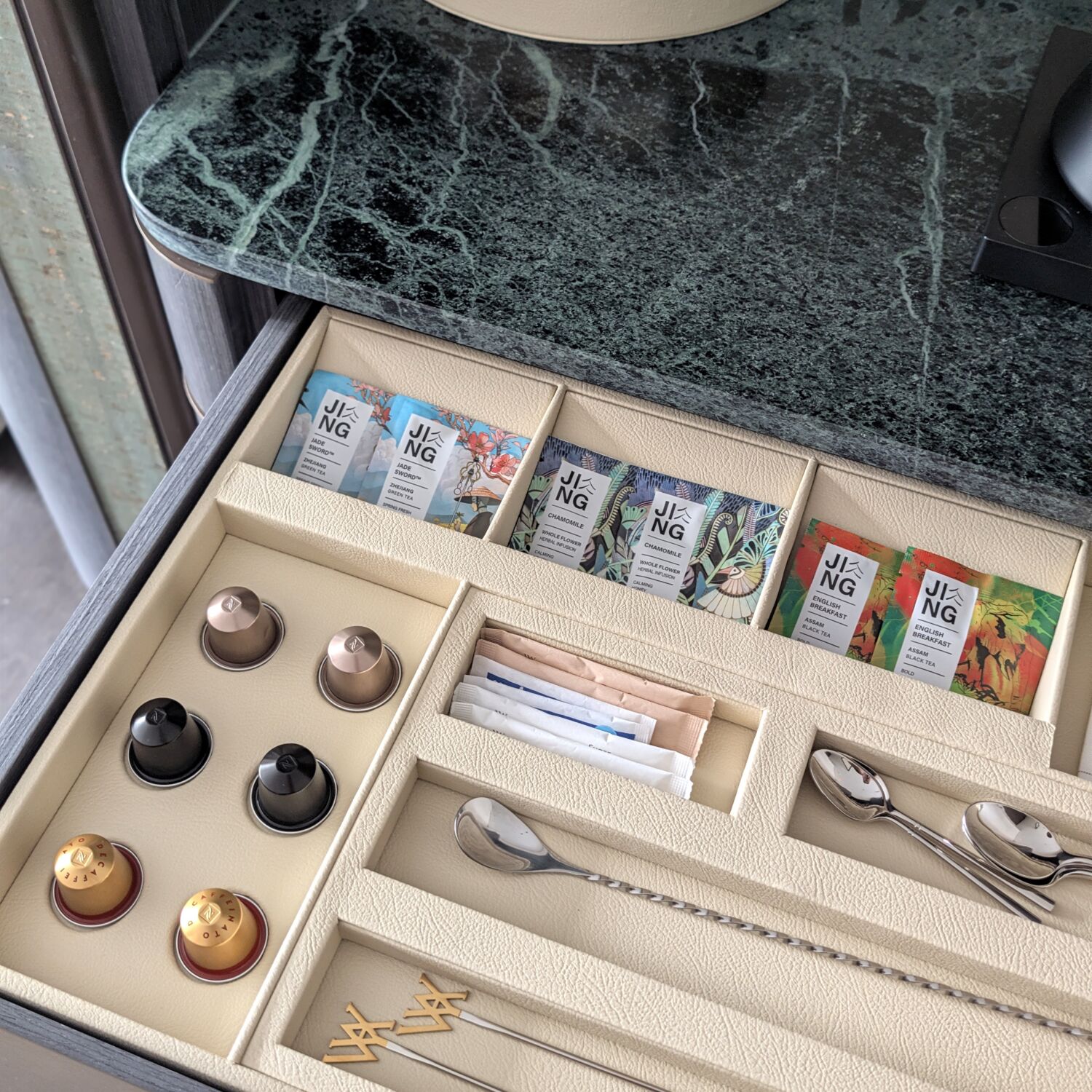
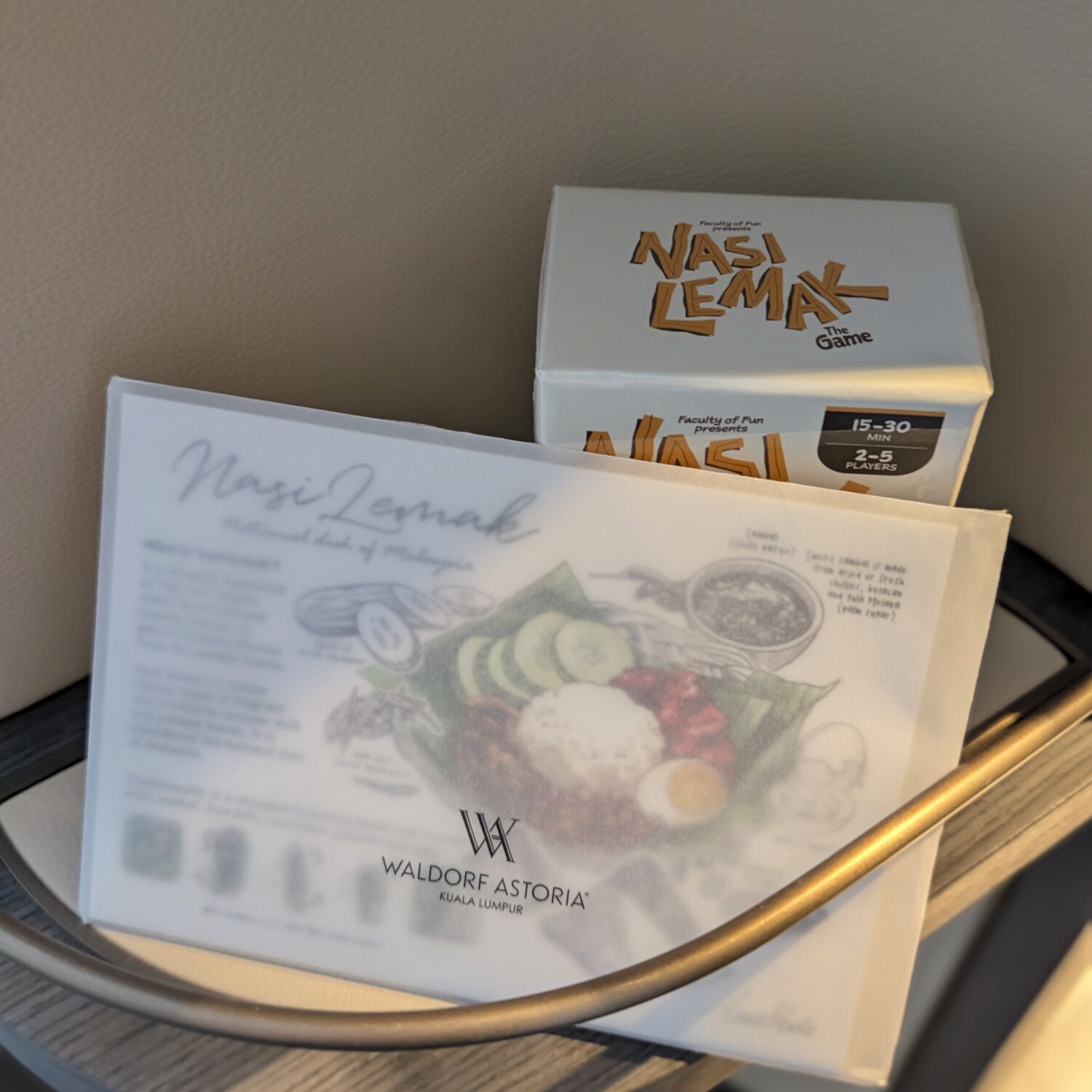
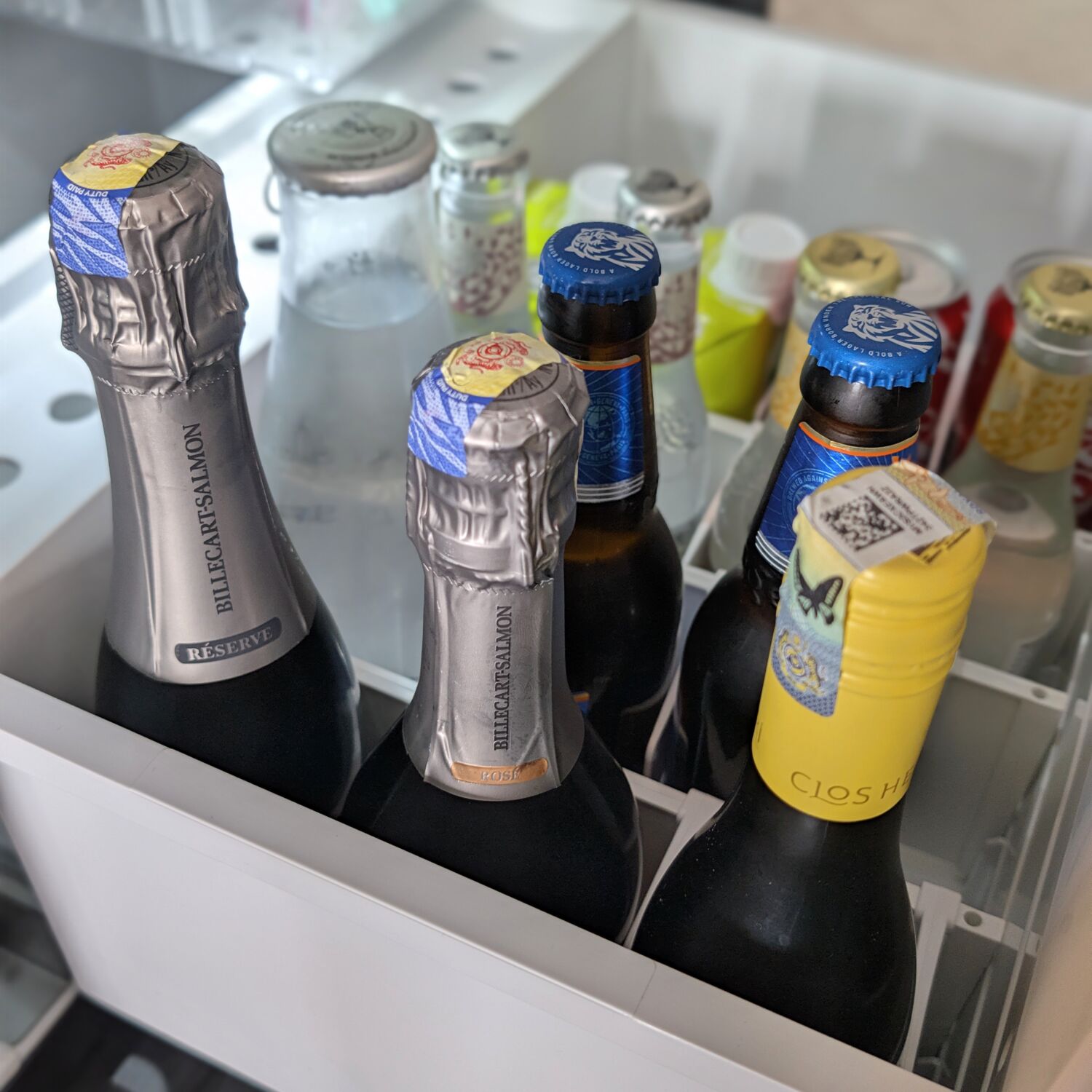
The living room was furnished with a curved sofa and separate armchair arranged around a pair of coffee tables. A 65-inch Smart TV and JBL sound-system take care of in-room entertainment, while a dedicated working area makes the suite equally suited to business travellers. The pantry comes equipped with a Nespresso coffee machine and a selection of Jing teas, while the minibar features Brotenders bottled cocktails, Billecart-Salmon Le Réserve Brut and Le Rosé Champagnes (both in 375ml bottles), Tiger Beer and an assortment of premium spirits, including Clase Azul Reposado Tequila and Tomatin 12-Year-Old Highland Scotch Whisky. The minibar is also stocked with locally themed souvenirs available for purchase such as a Lokapedia postcard bundle and Nasi Lemak, a Malaysian-themed card game. Complimentary snacks include familiar favourites such as Coca-Cola, Snickers, Mars and M&M’s.
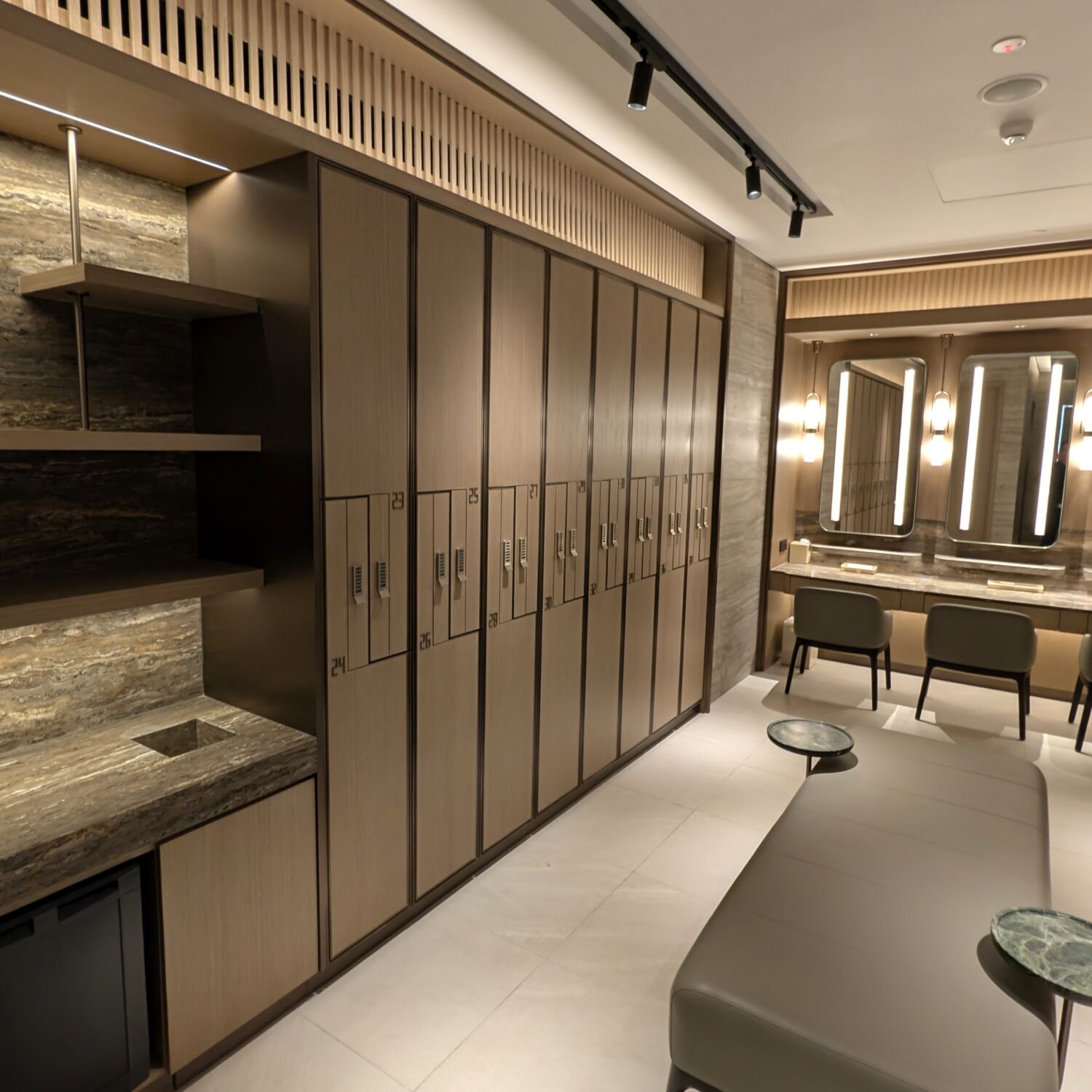
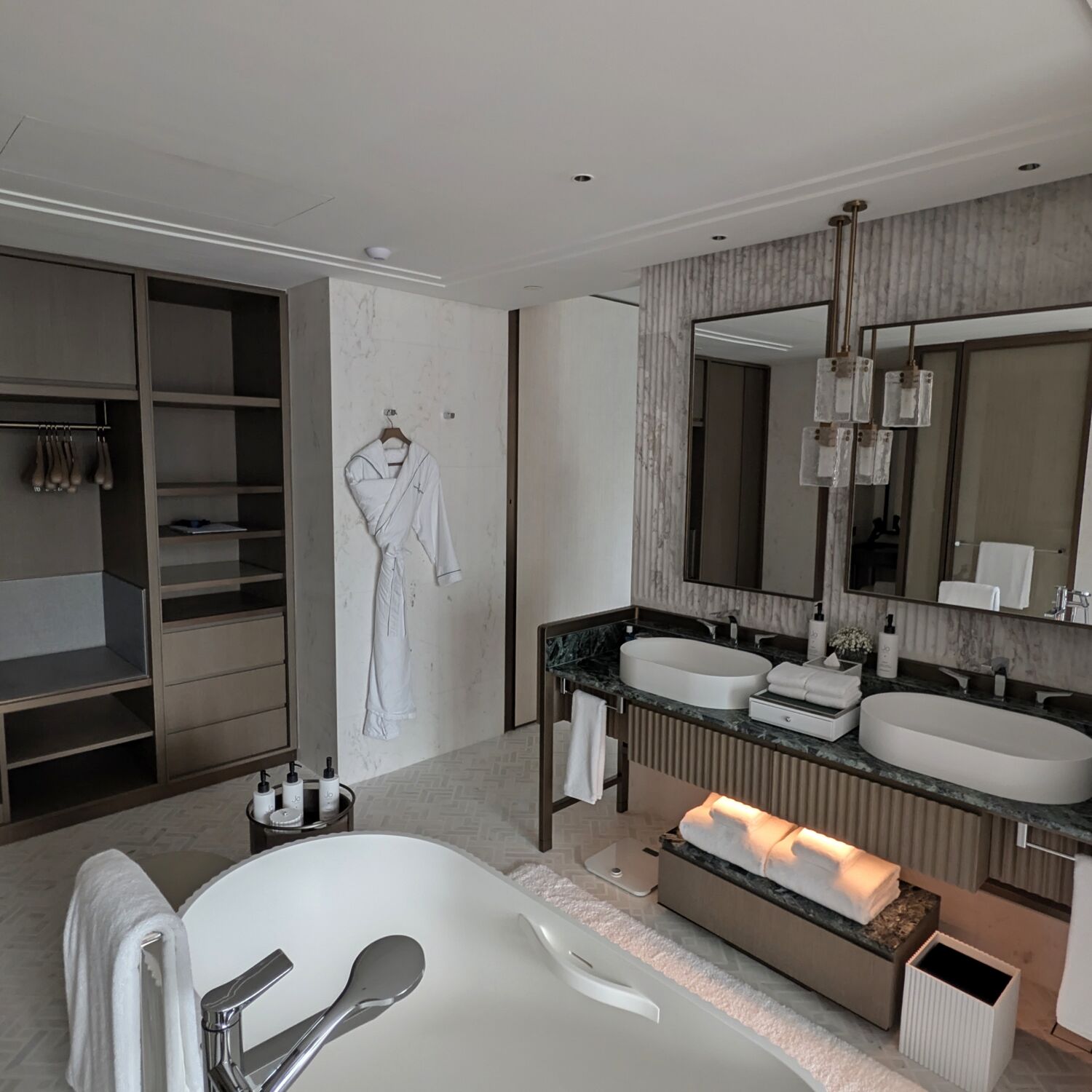
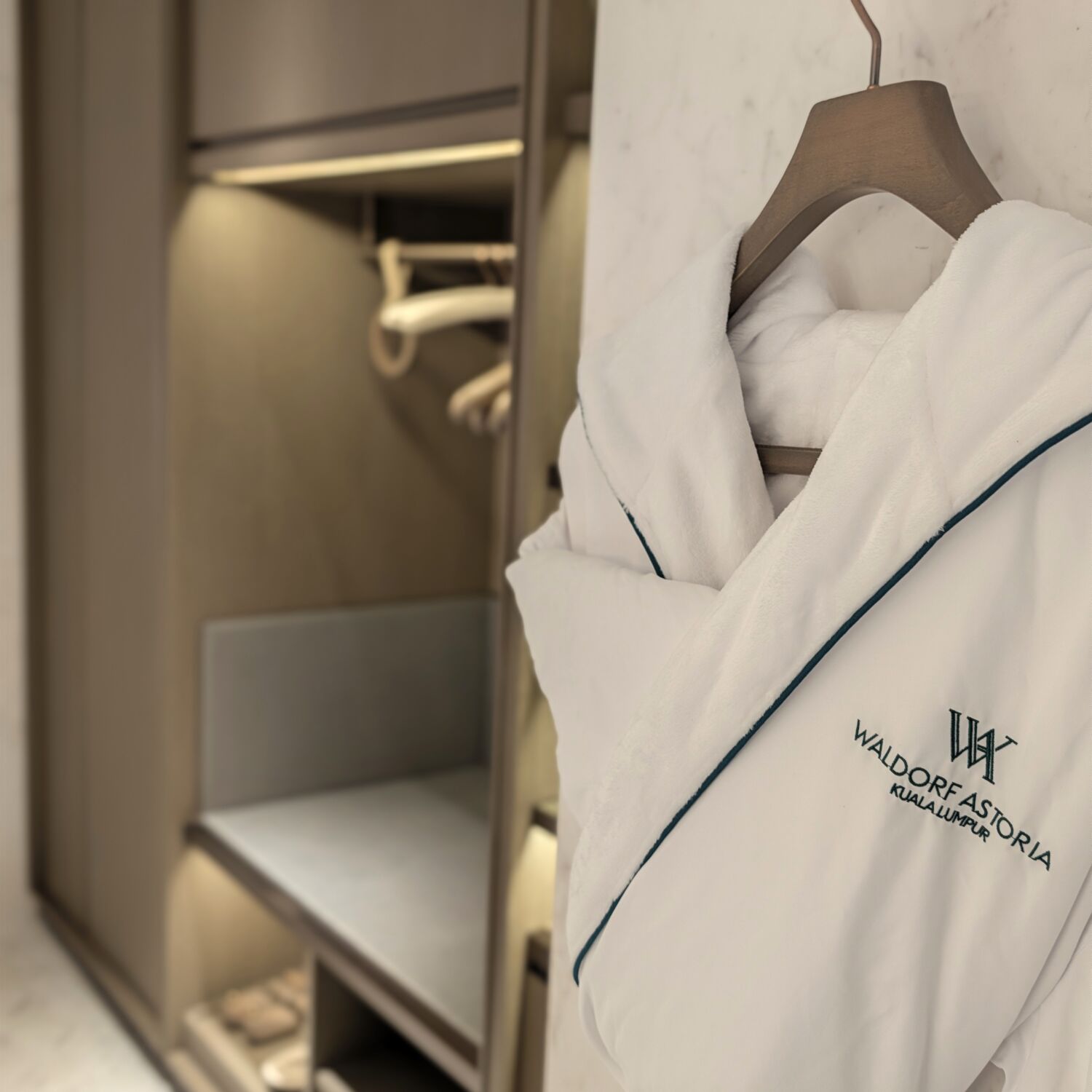
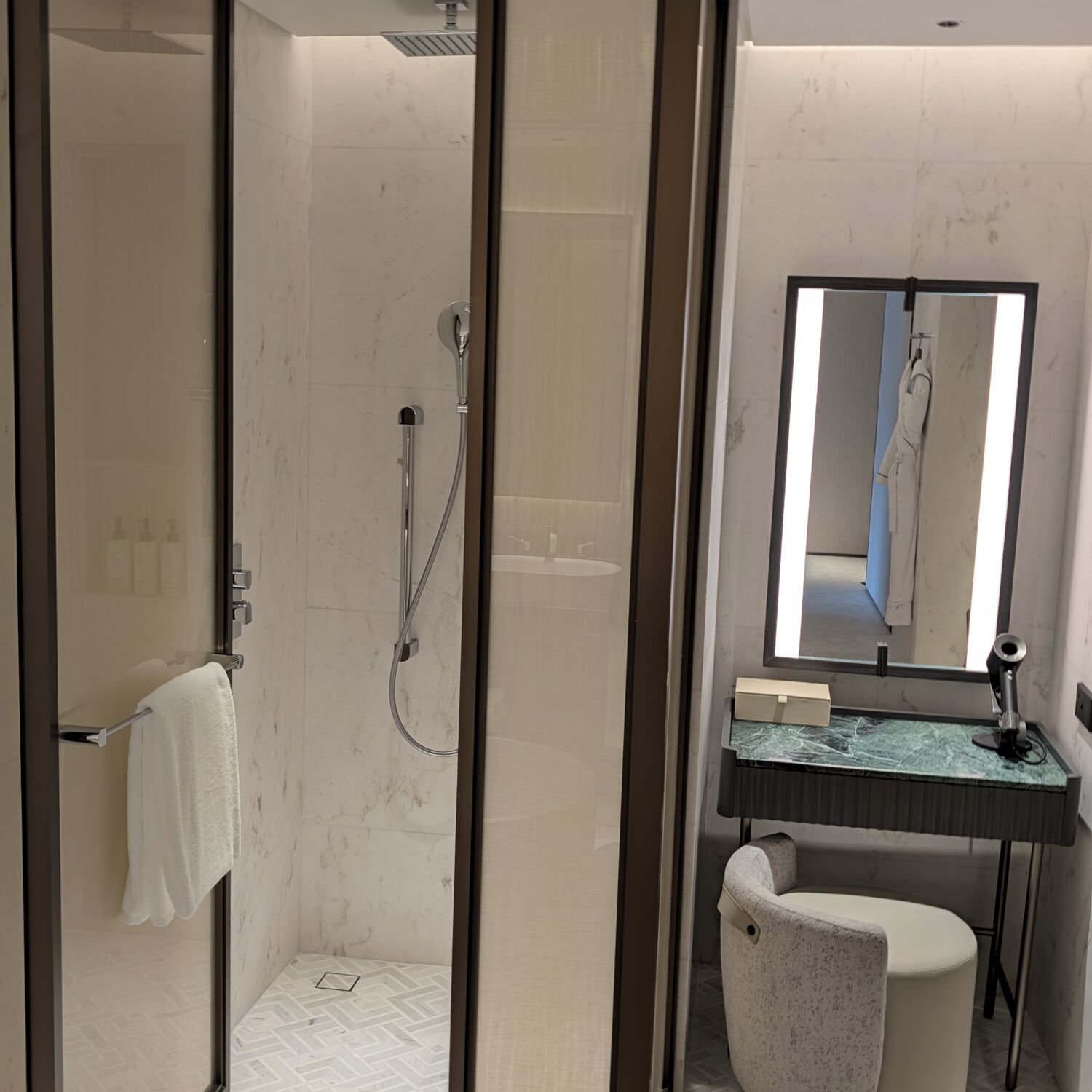
The spacious bathroom features a walk-in wardrobe, generous double vanities, a corner dressing area equipped with a Dyson hairdryer, an enclosed rainfall shower and TOTO bidet toilet, with a freestanding bathtub positioned right in the middle of the space. Bathroom amenities (interestingly) come courtesy of British fragrance house Jo Loves, with its Pomelo collection offering a distinctly fruity and tropical fragrance.
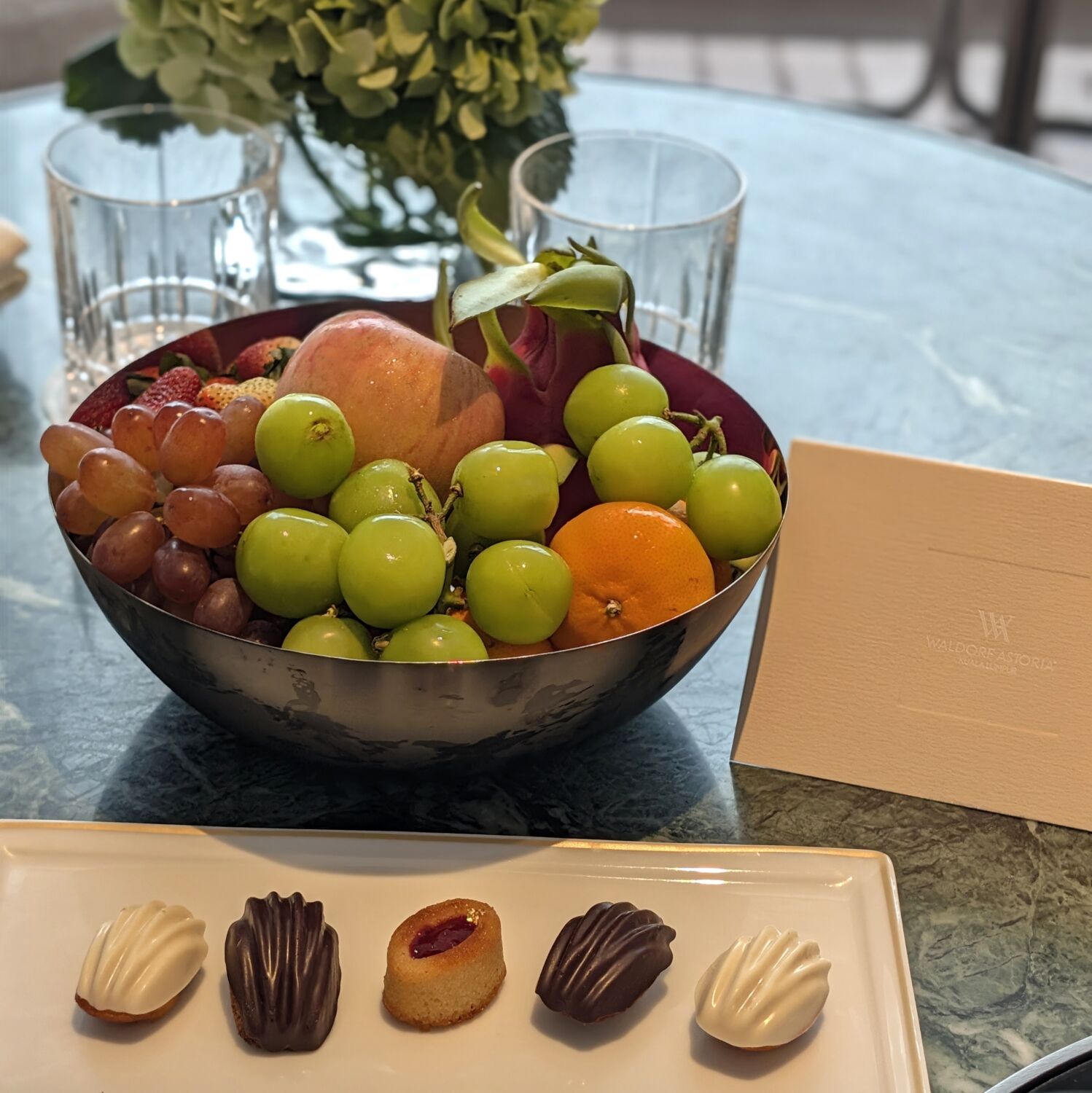
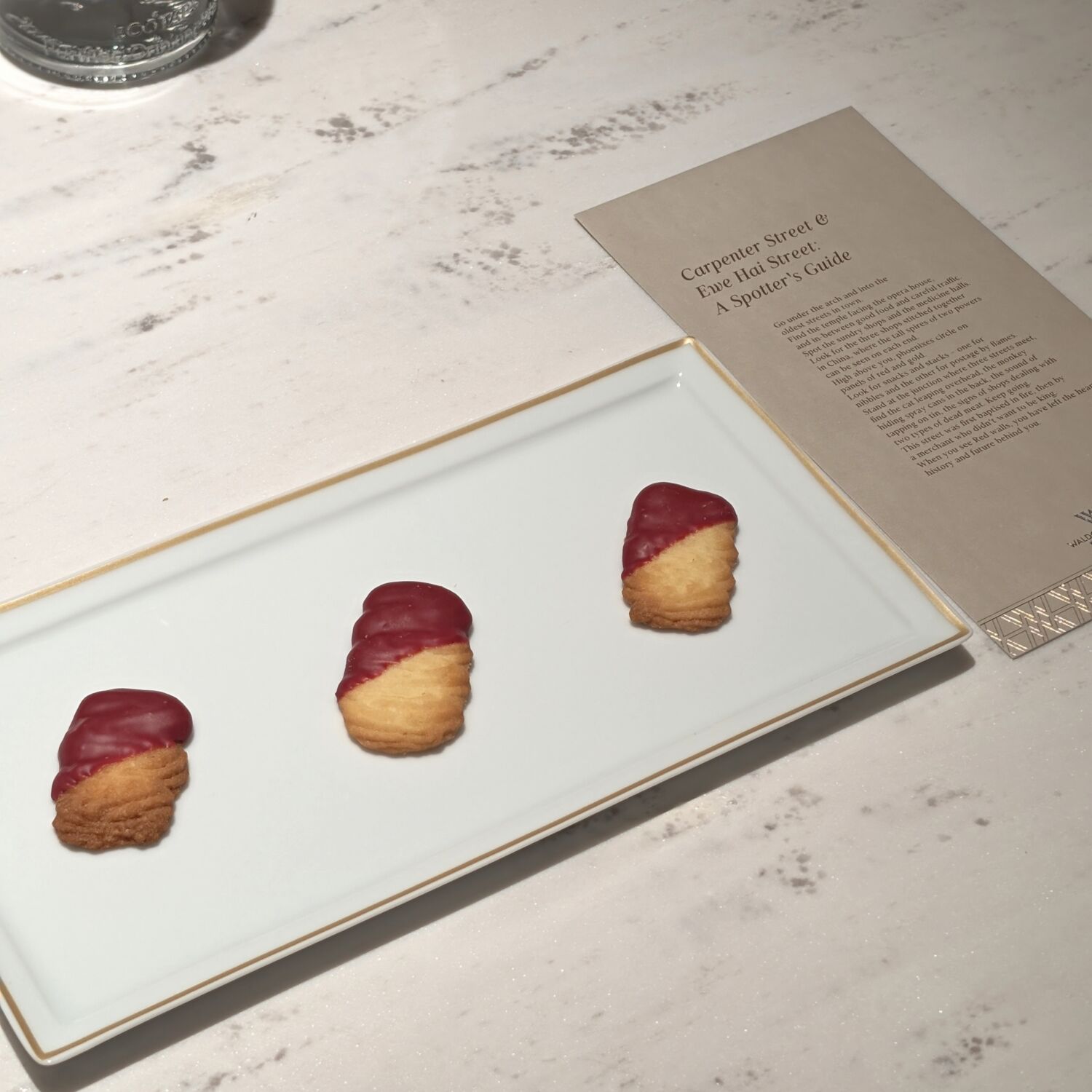
A welcome amenity of fresh seasonal fruits and chocolates greeted me upon my arrival, while pastries accompanied by a printed poem by Sarawak-based writer Georgette Tan were presented during turndown service.

DINING
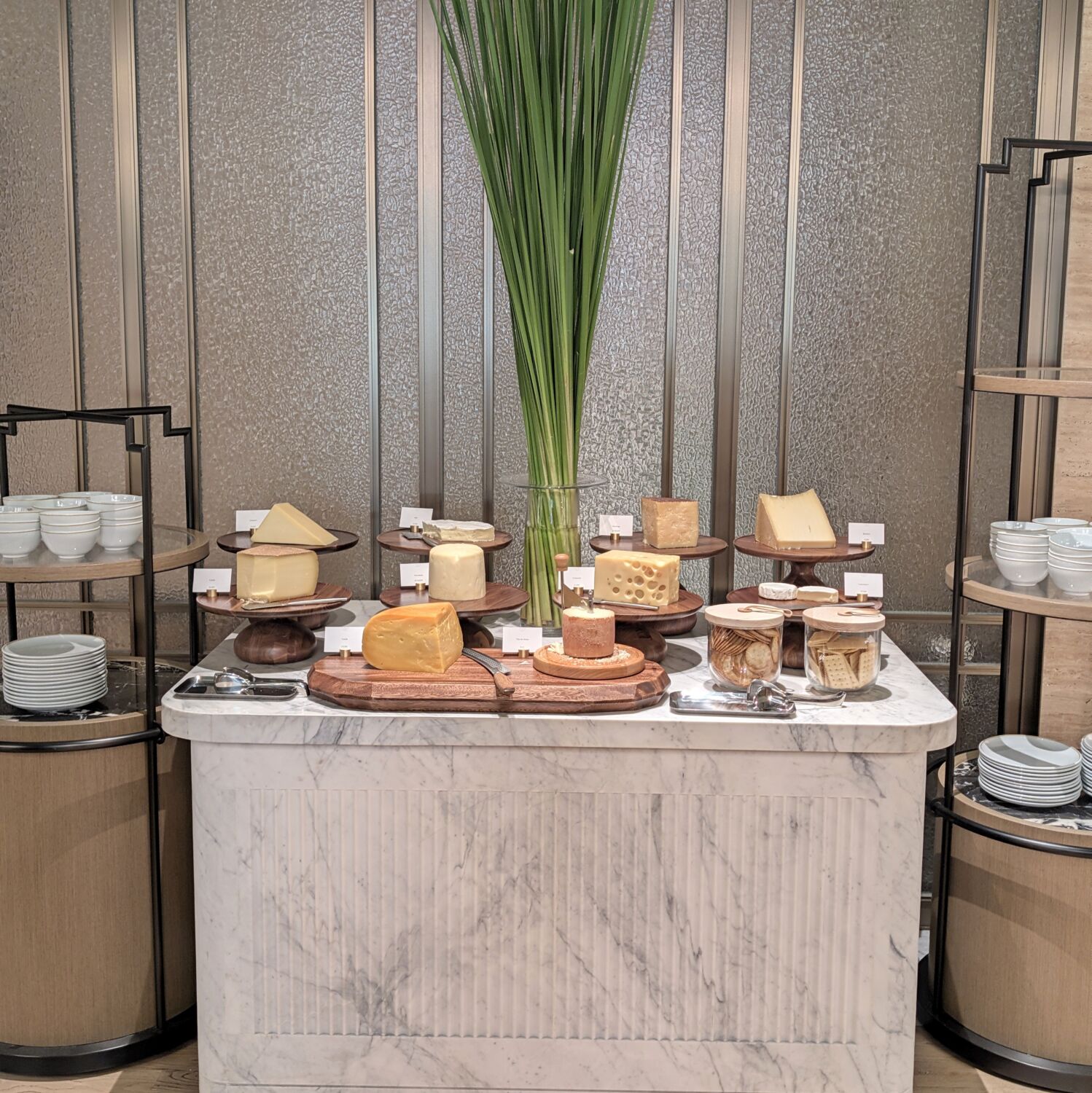
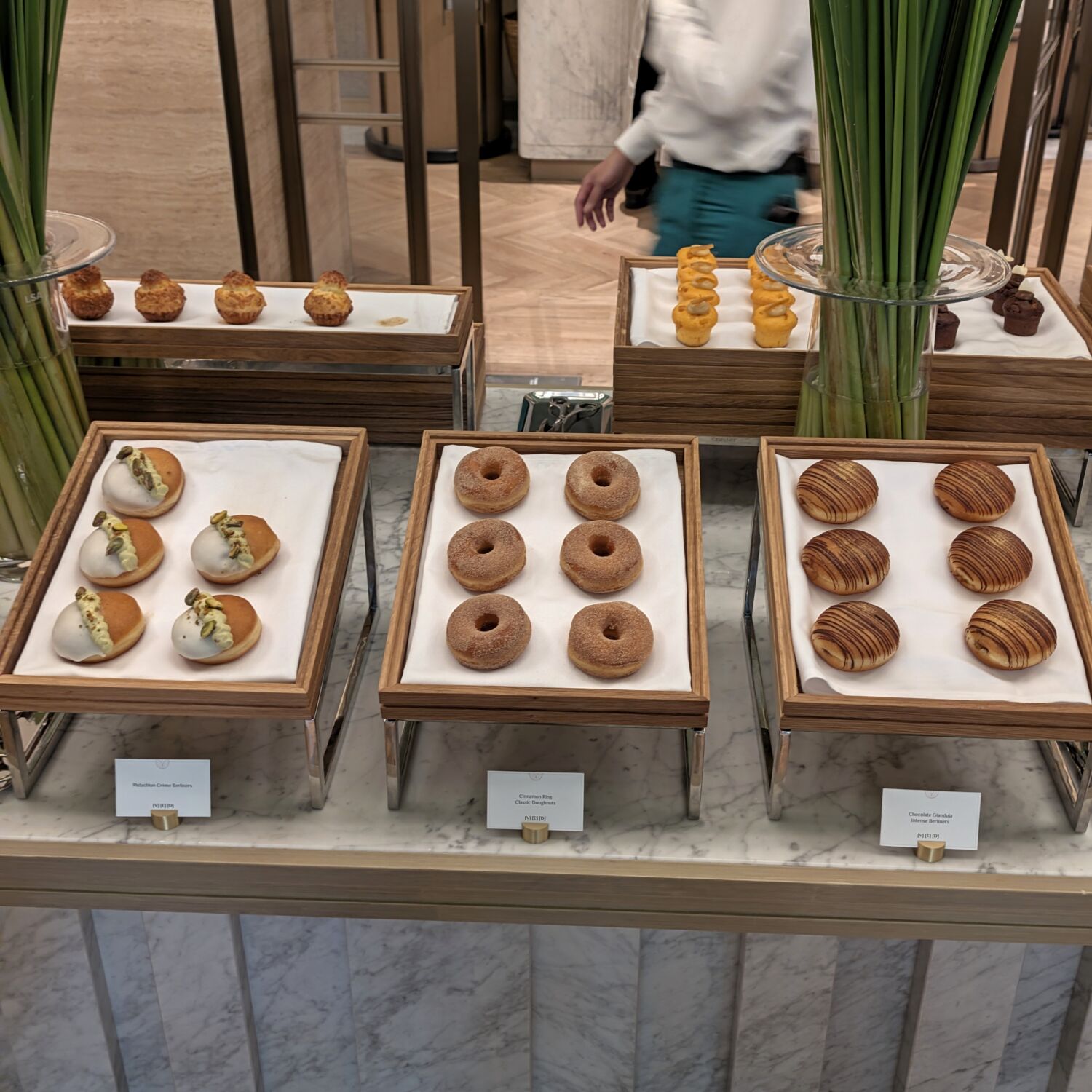
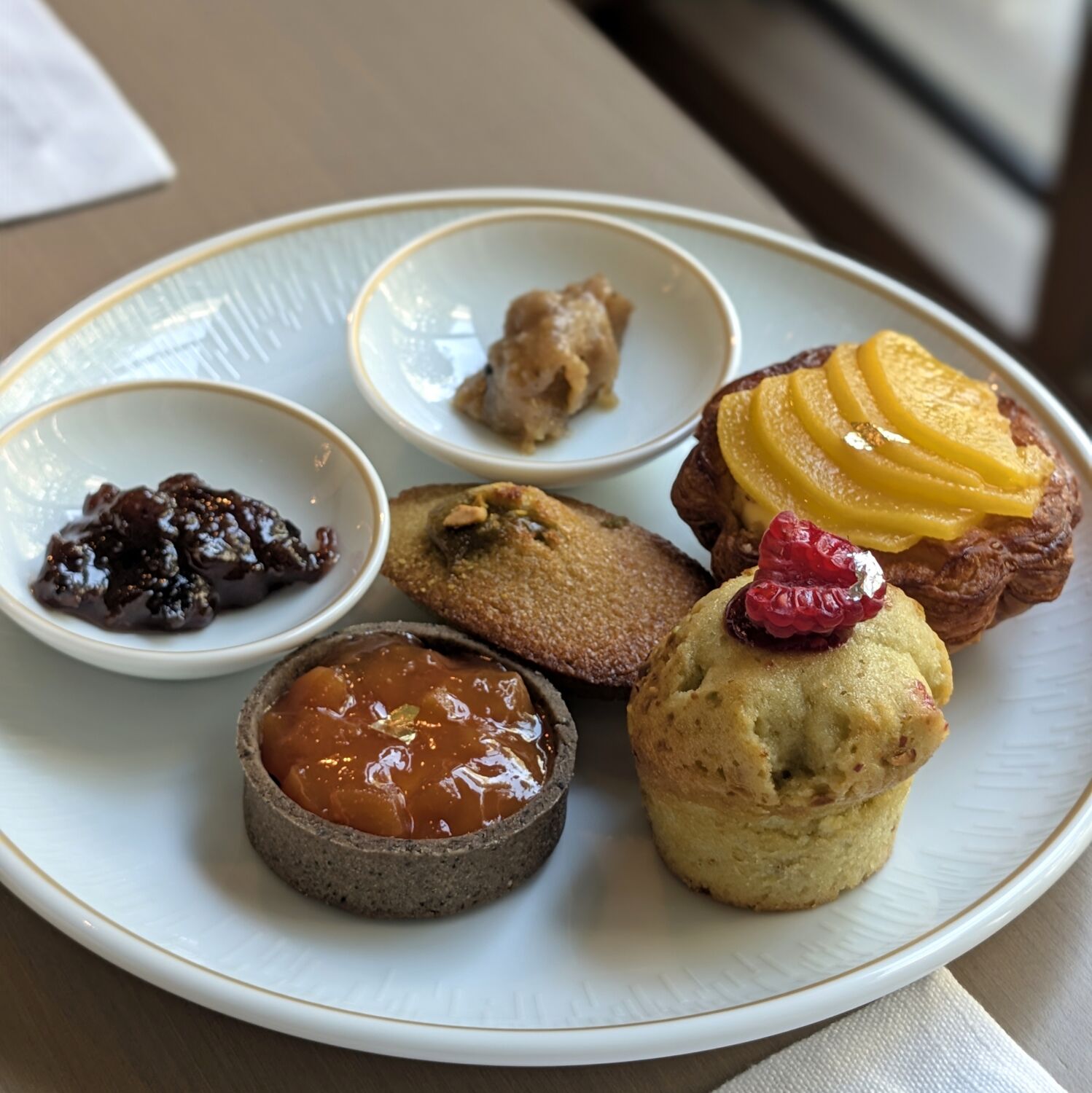
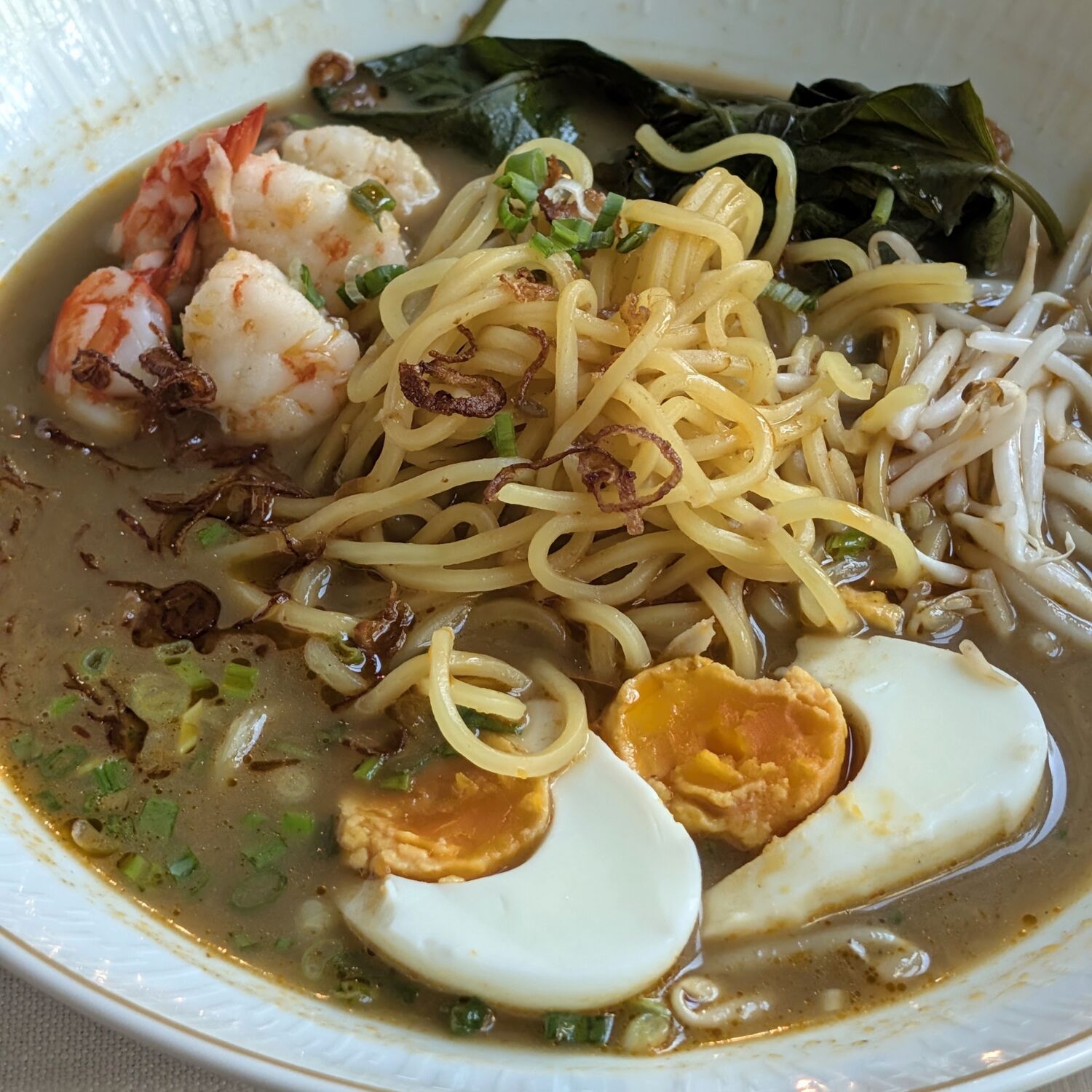
Breakfast at Istana is a semi-buffet affair, with an extensive à la carte selection complemented by a spread of pastries, fresh fruits and salads. The pastry selection features selections such as Strawberry Cream Maple Sugar Croissants, Pistachio Crème Berliners, Cinnamon Ring Doughnuts, Coconut Pandan Kaya Strudels and Peach Hazelnut Crumble Danish, while the à la carte menu spans familiar Western staples such as Classic Waldorf Astoria Eggs Benedict, Eggs Royale and Steak and Eggs alongside an Asian selection comprising dishes such as Classic Malaysian Nasi Lemak, Masala Dosa, Prawn Noodle Soup, Kaya Toast and Egg Combo and Roti Canai.
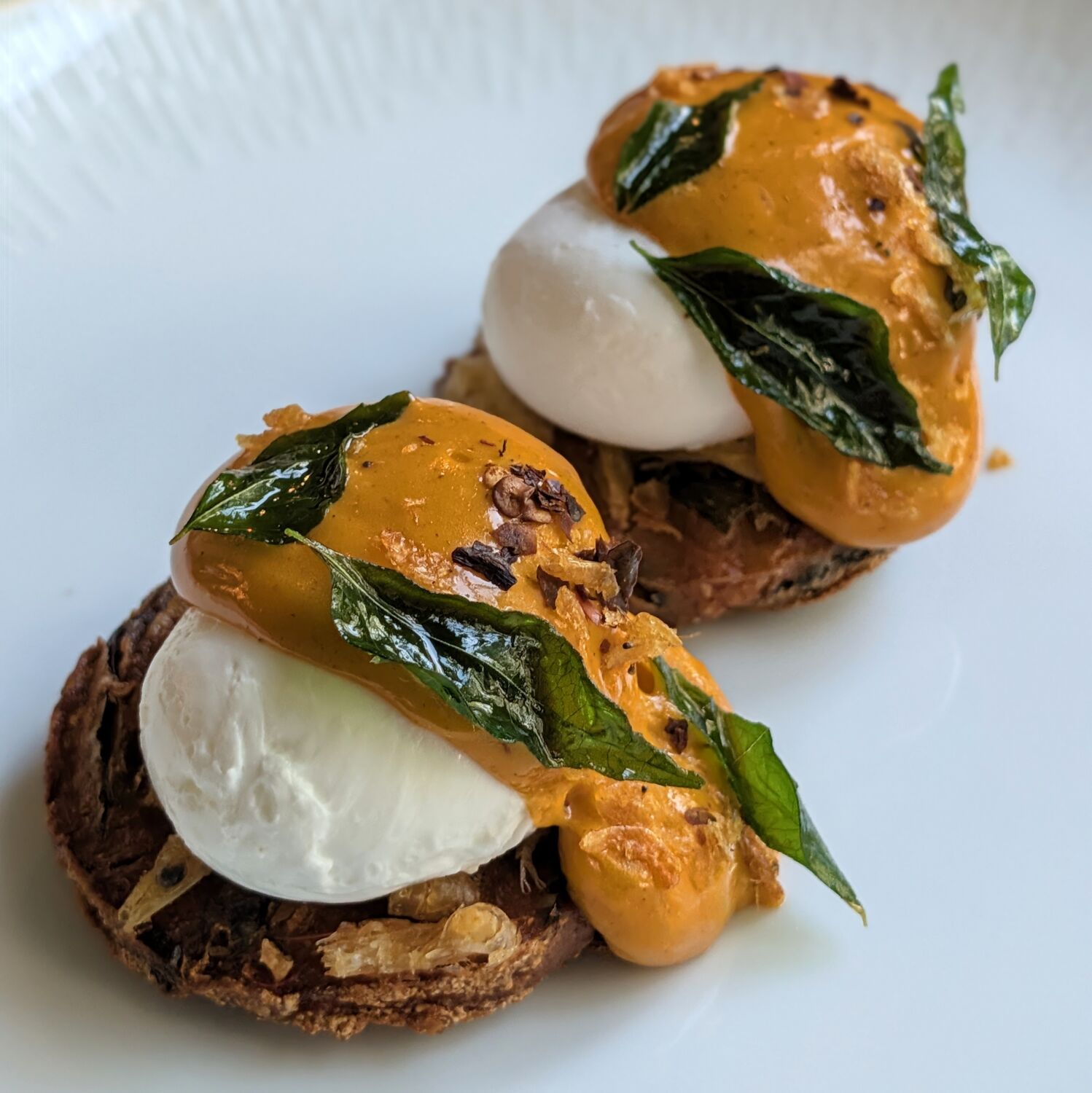
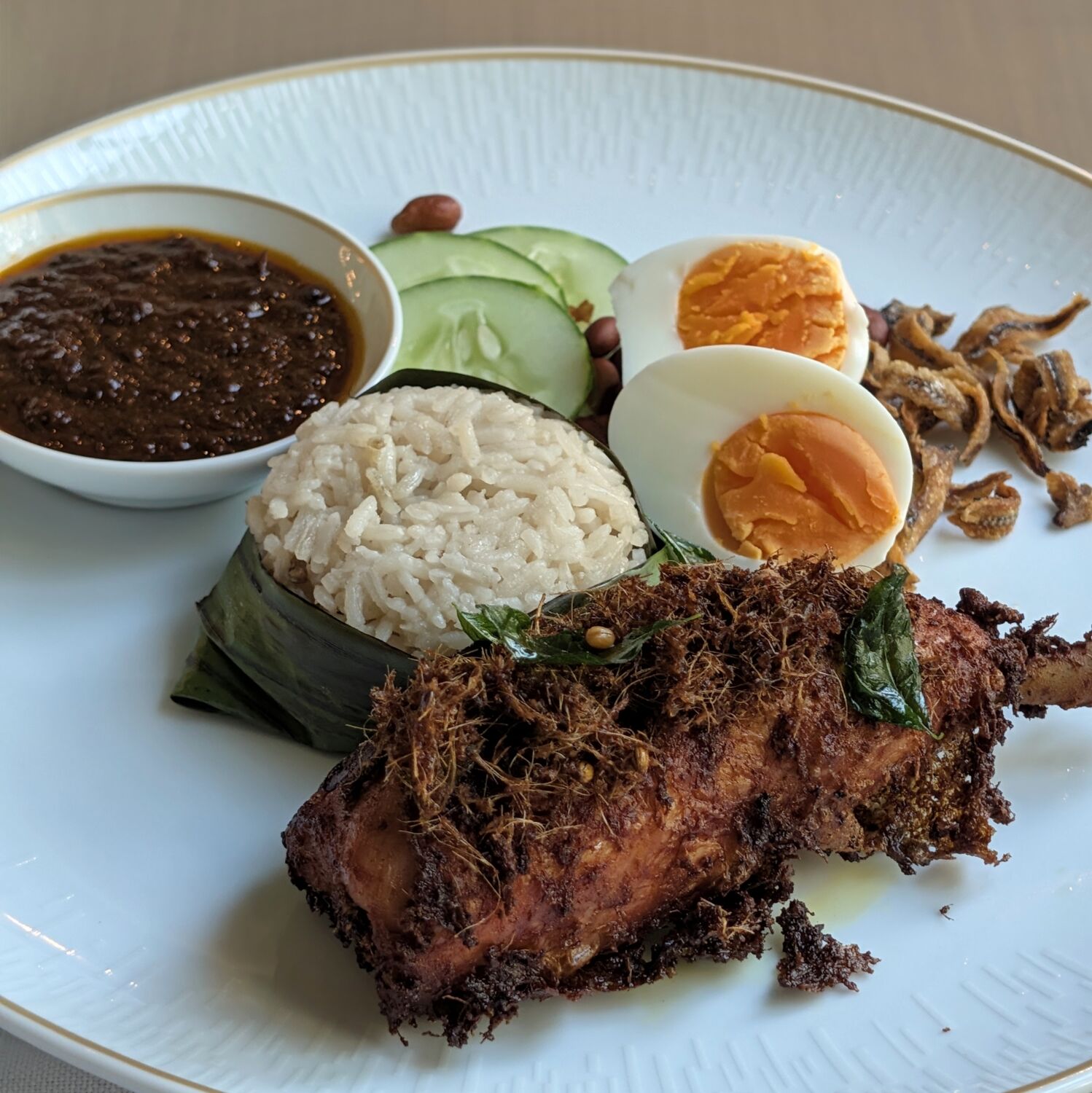
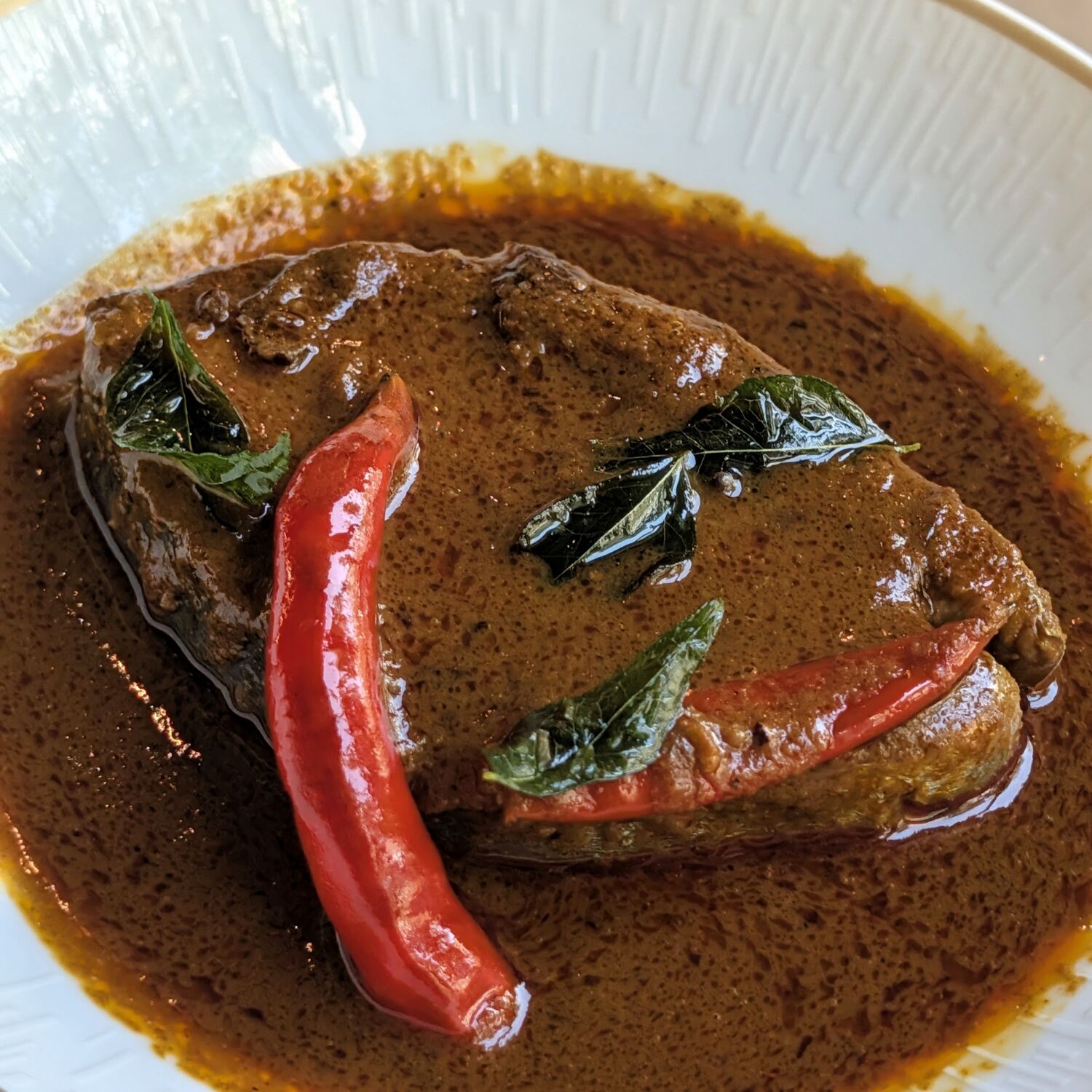
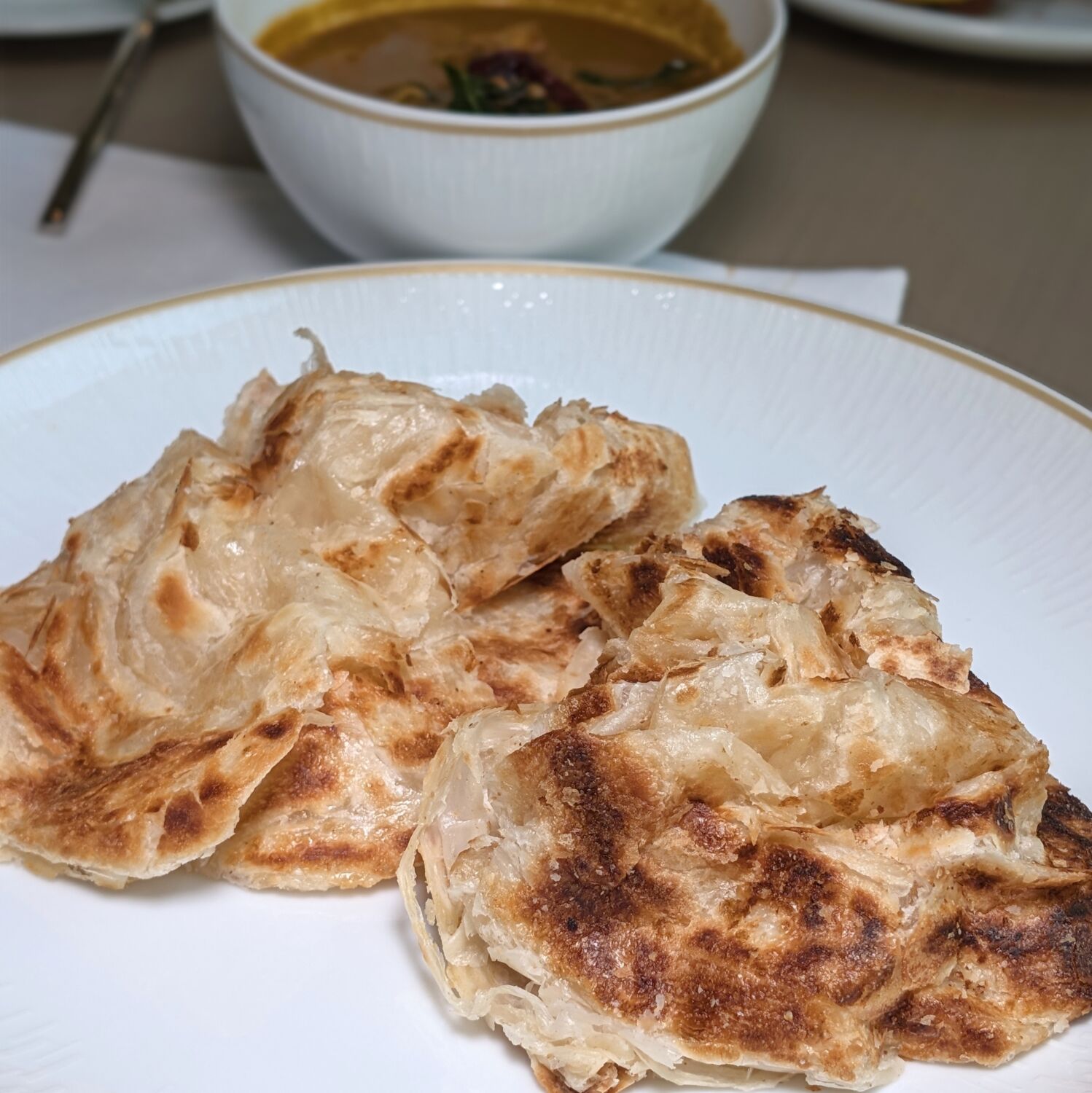
The Classic Malaysian Nasi Lemak was superb, with wonderfully fragrant, well-oiled coconut rice evoking the flavours of chicken rice, while the ayam berempah was good enough to hold its own as a main course on Istana’s dinner menu. The Nasi Dagang Terengganu was another highlight, its deeply savoury, tamarind-tinged and mischievously spicy fish stew possessing the sort of commanding, moreish allure that kept you spellbound and craving more. Elsewhere, the ISTANA Locally Inspired Eggs Benedict offered an inventive take on the brunch classic, with sambal lending a local dimension to the Hollandaise and the crispy sakura ebi base providing a memorable textural flourish. The Roti Canai came with generous chunks of chicken in a sweet curry, its laksa leaves lending an intriguing touch of salted egg yolk feels.
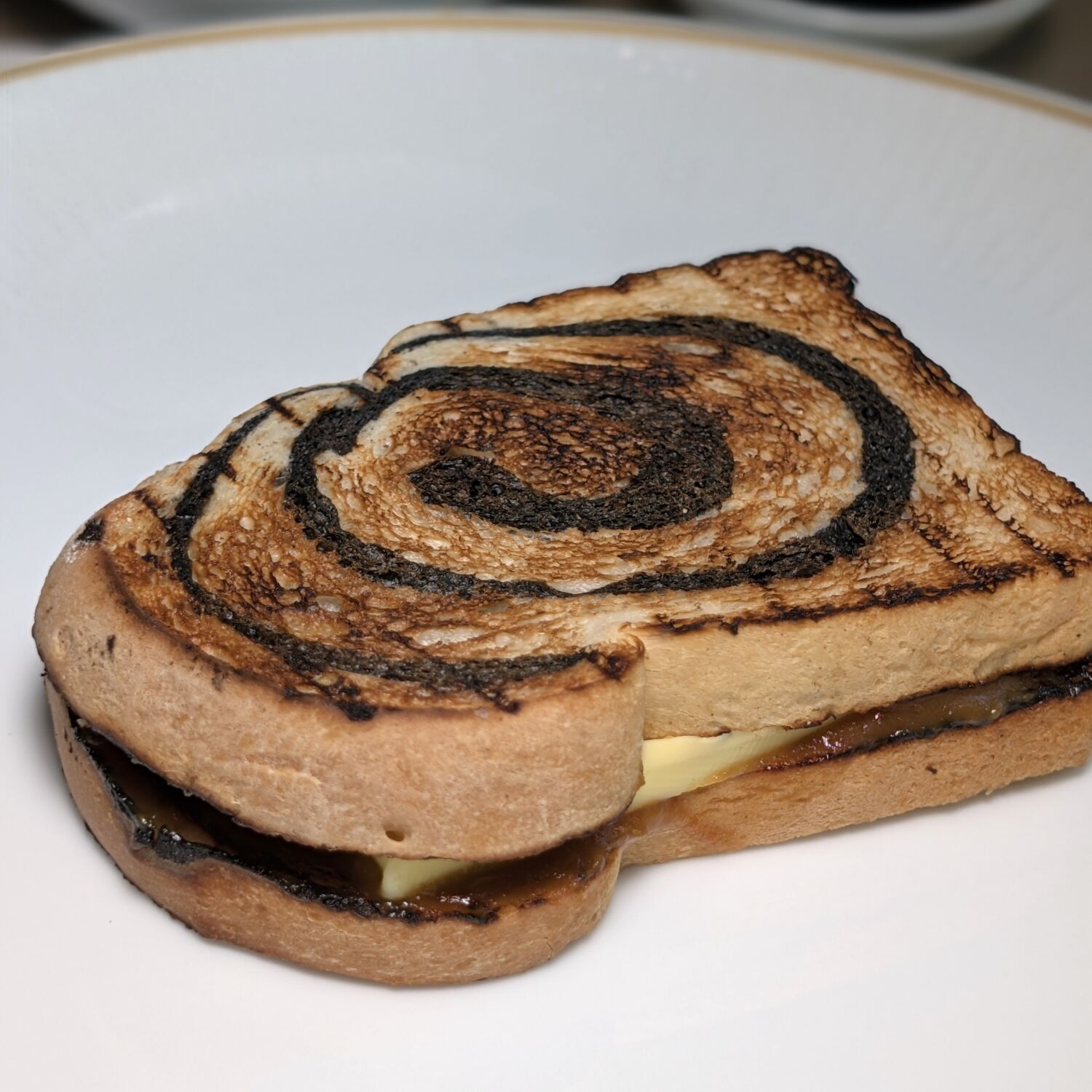
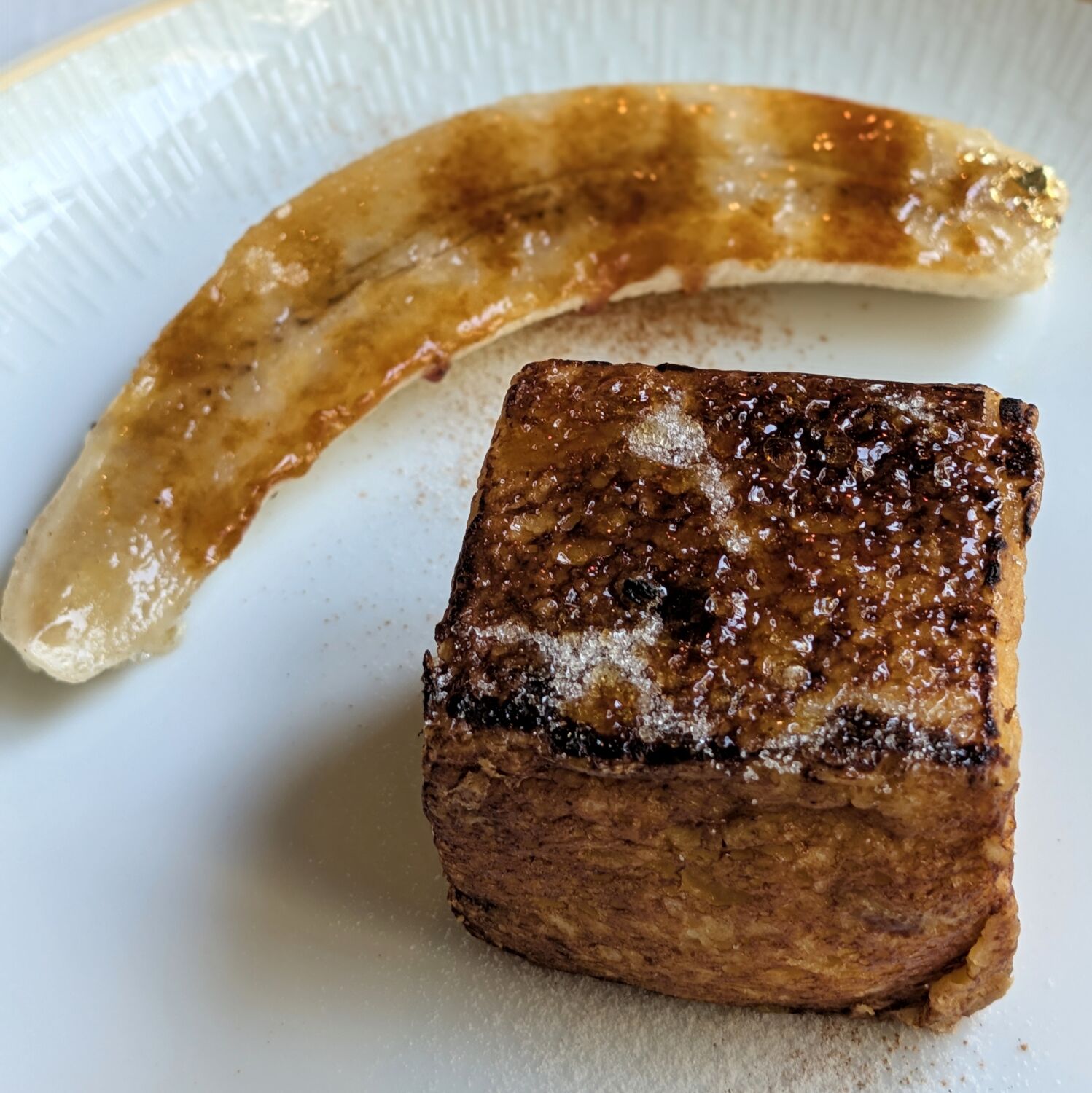
Other dishes we tried included the ISTANA Soto Ayam, with its deep, salty and thick broth; the French Toast, made with milk raisin bread and accompanied by a tropical, passionfruit-like curd beneath a brûléed top; and the Kaya Toast and Egg Combo, in which the durian used in the kaya reined in its more polarising qualities but perhaps hijacked the jam itself in the process, obscuring much of what makes kaya, well, kaya.
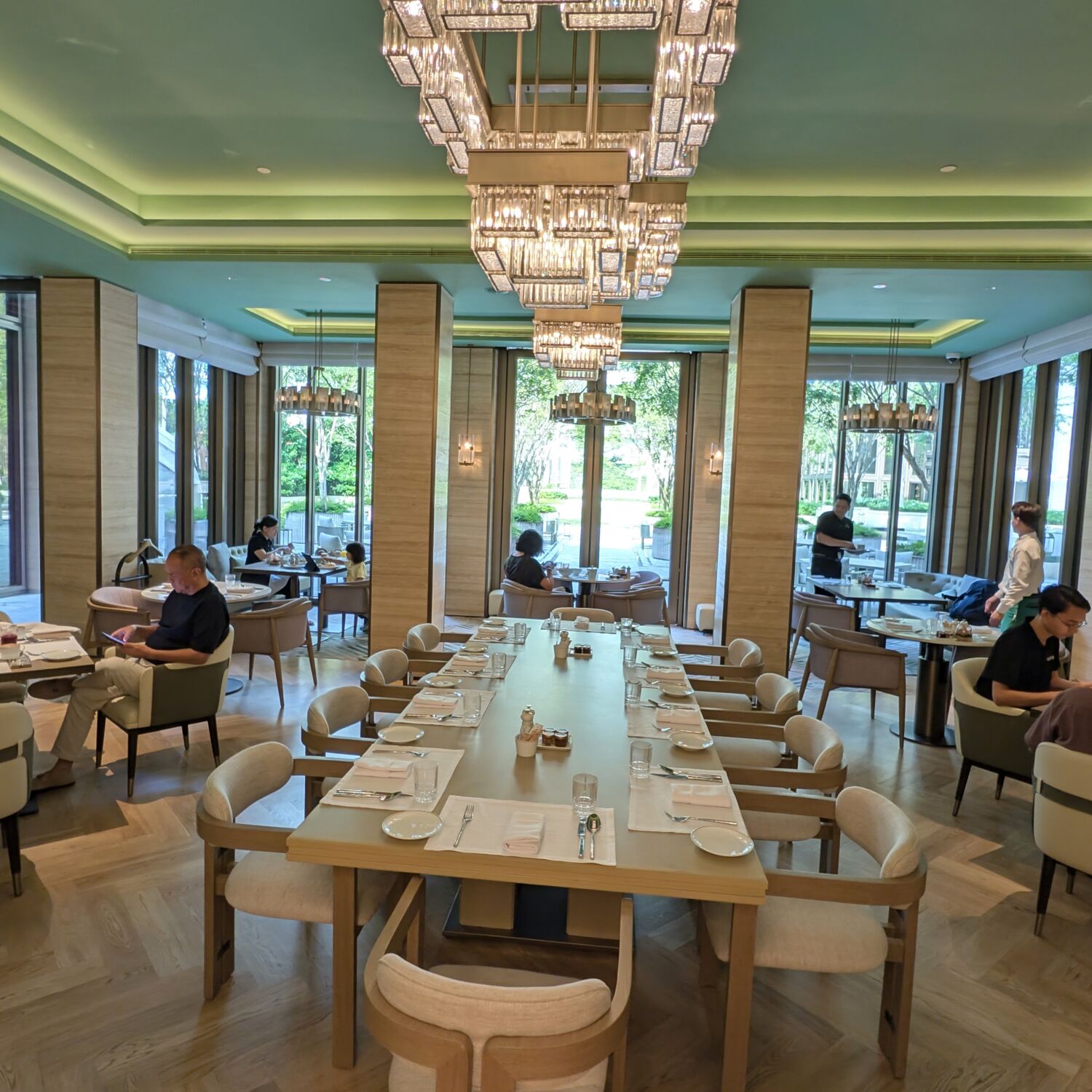
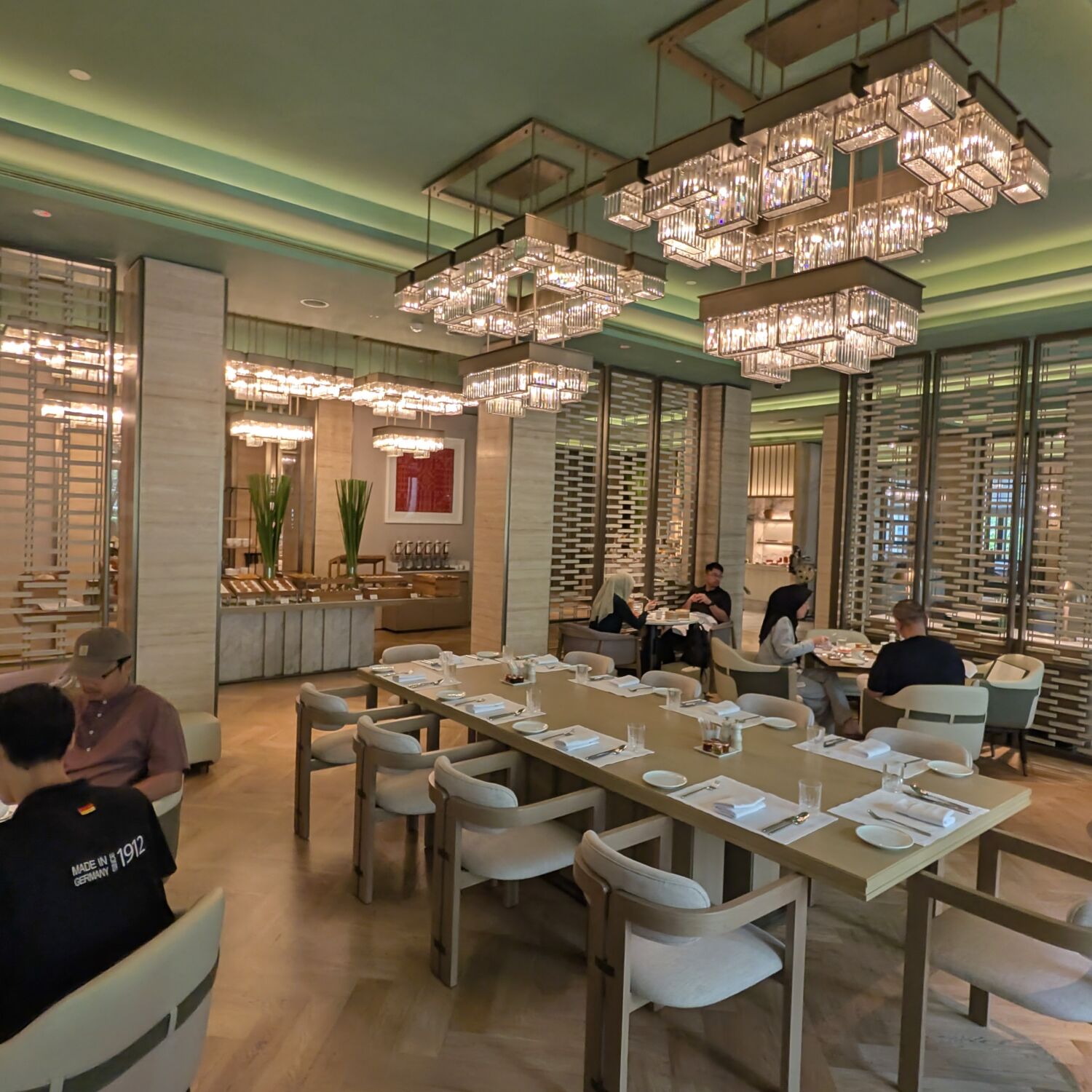
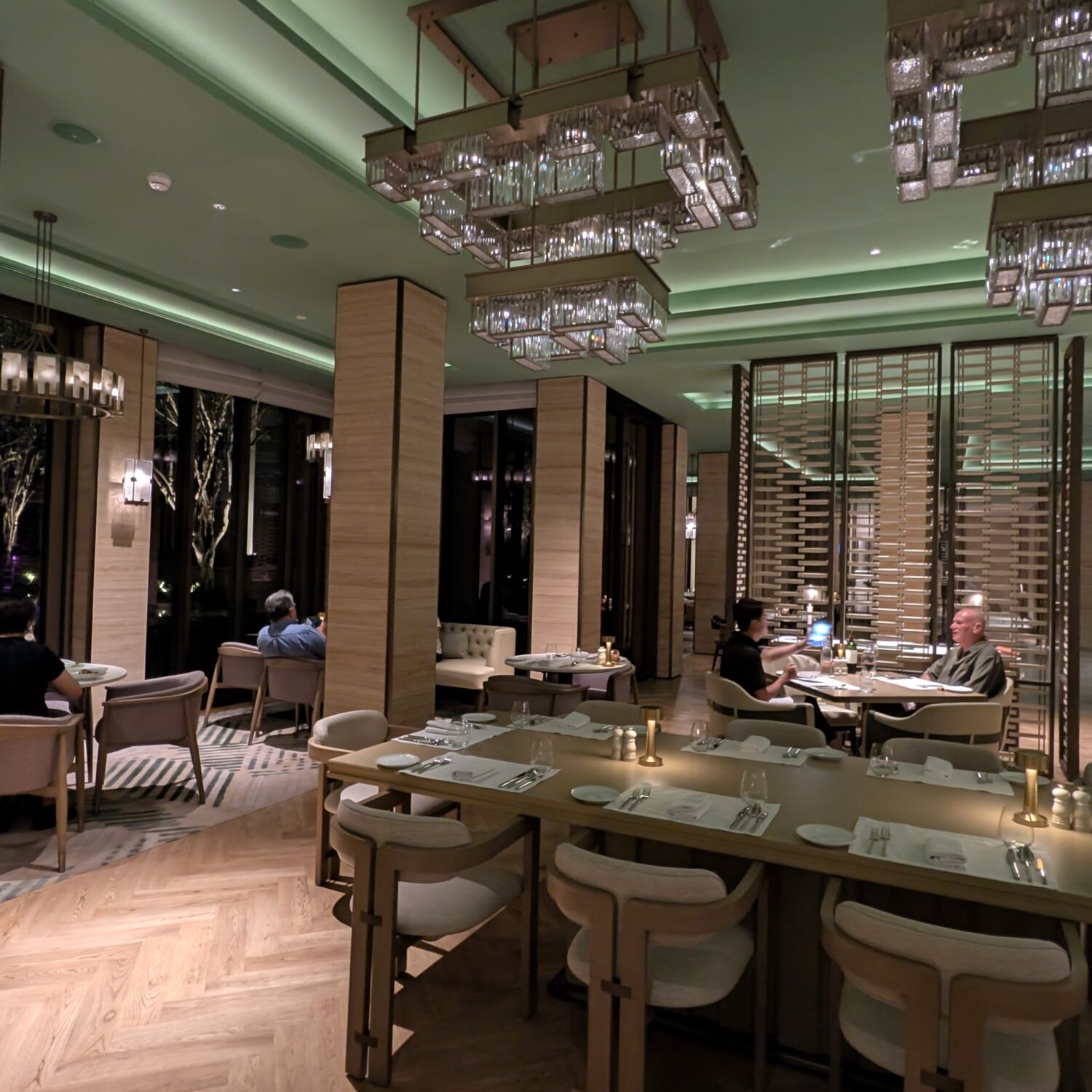
Dinner at Istana was a celebration of Malaysian flavours, with a distinctly Bornean slant running through the menu. The restaurant pairs a warm, contemporary interior with Malay-inspired detailing, from decorative lattice screens and patterned finishes to timber flooring and an expansive sage-green ceiling punctuated by sculptural geometric chandeliers. Recorded Malay music lends a gentle sense of local character.
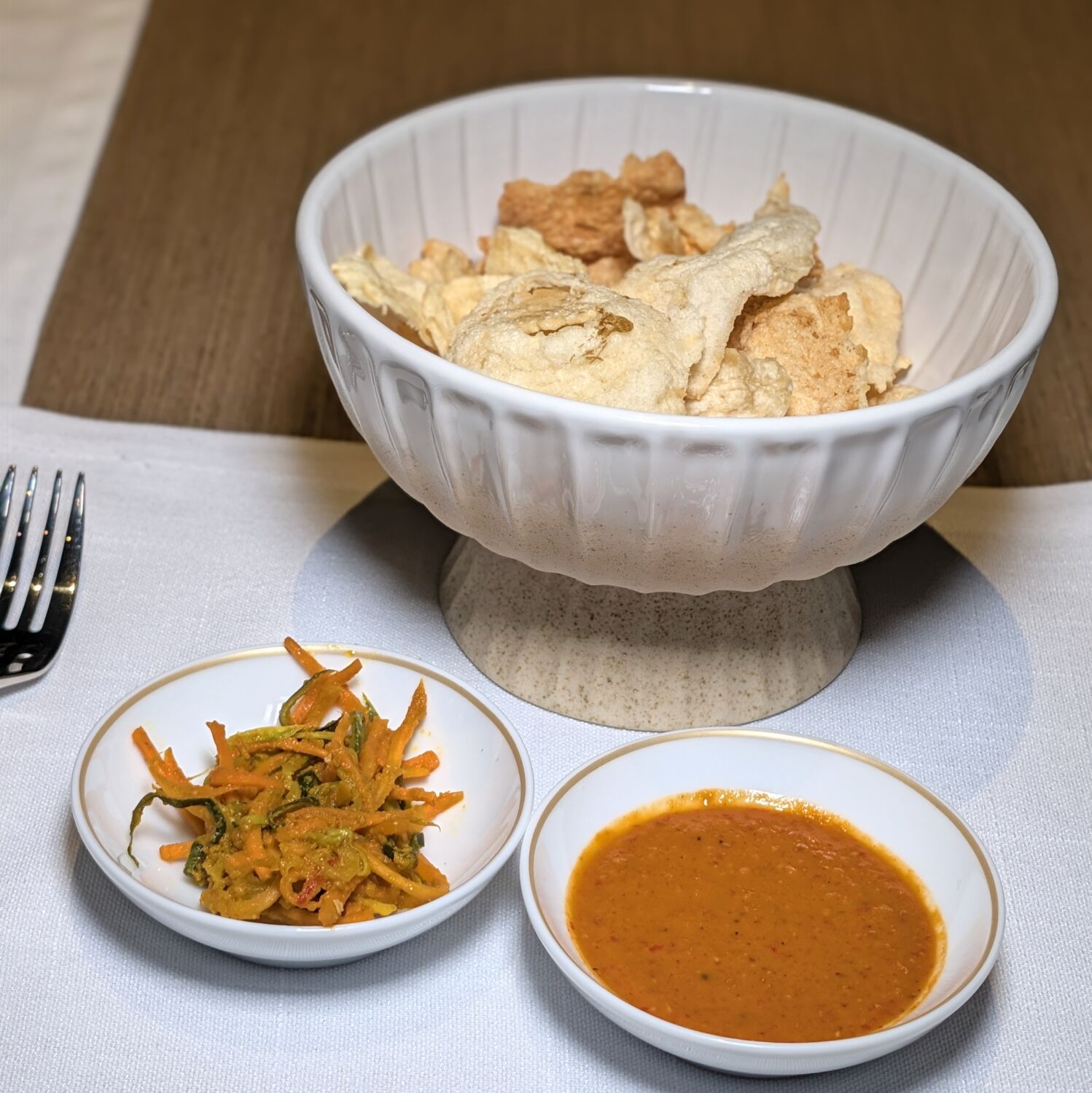
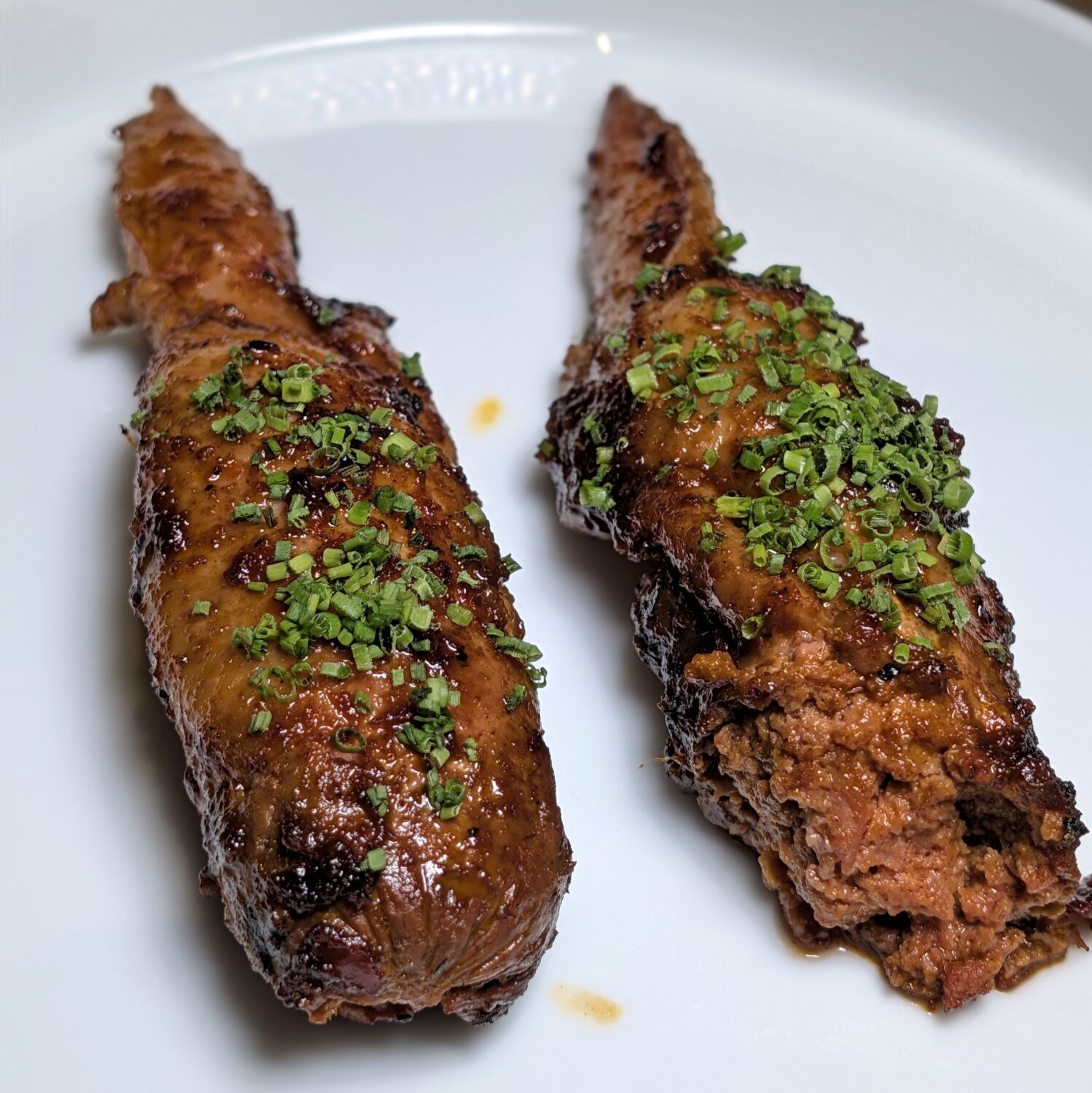
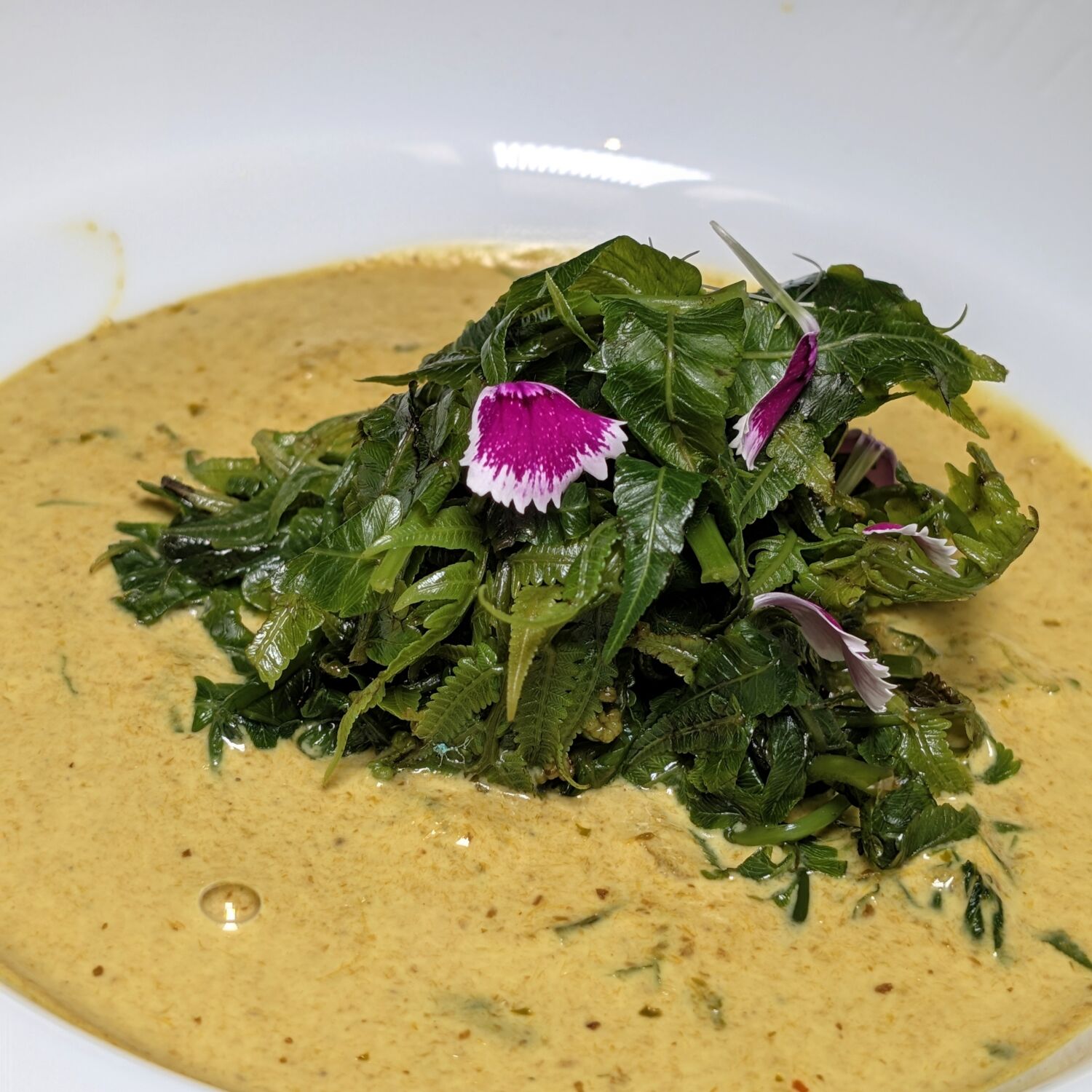
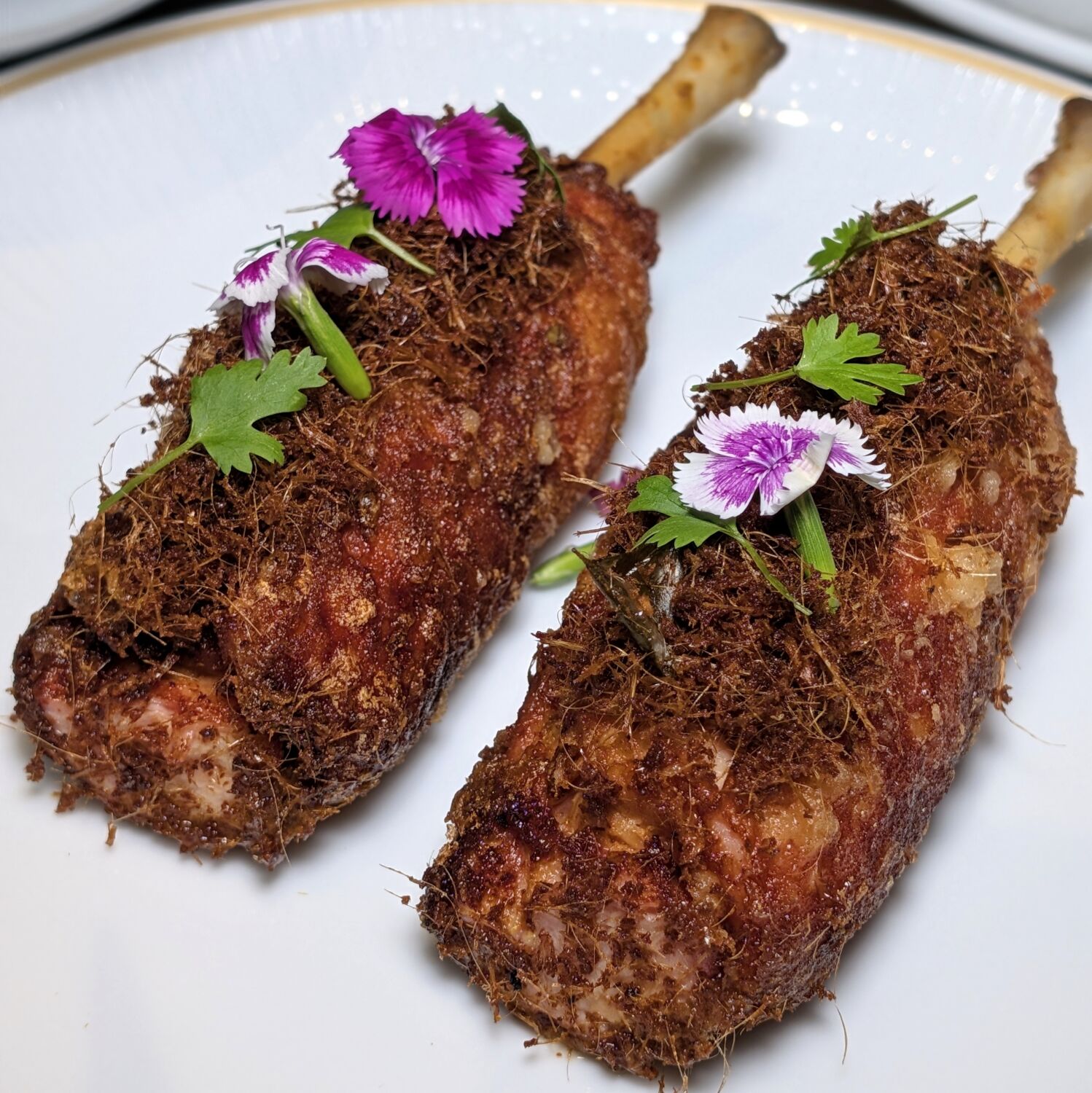
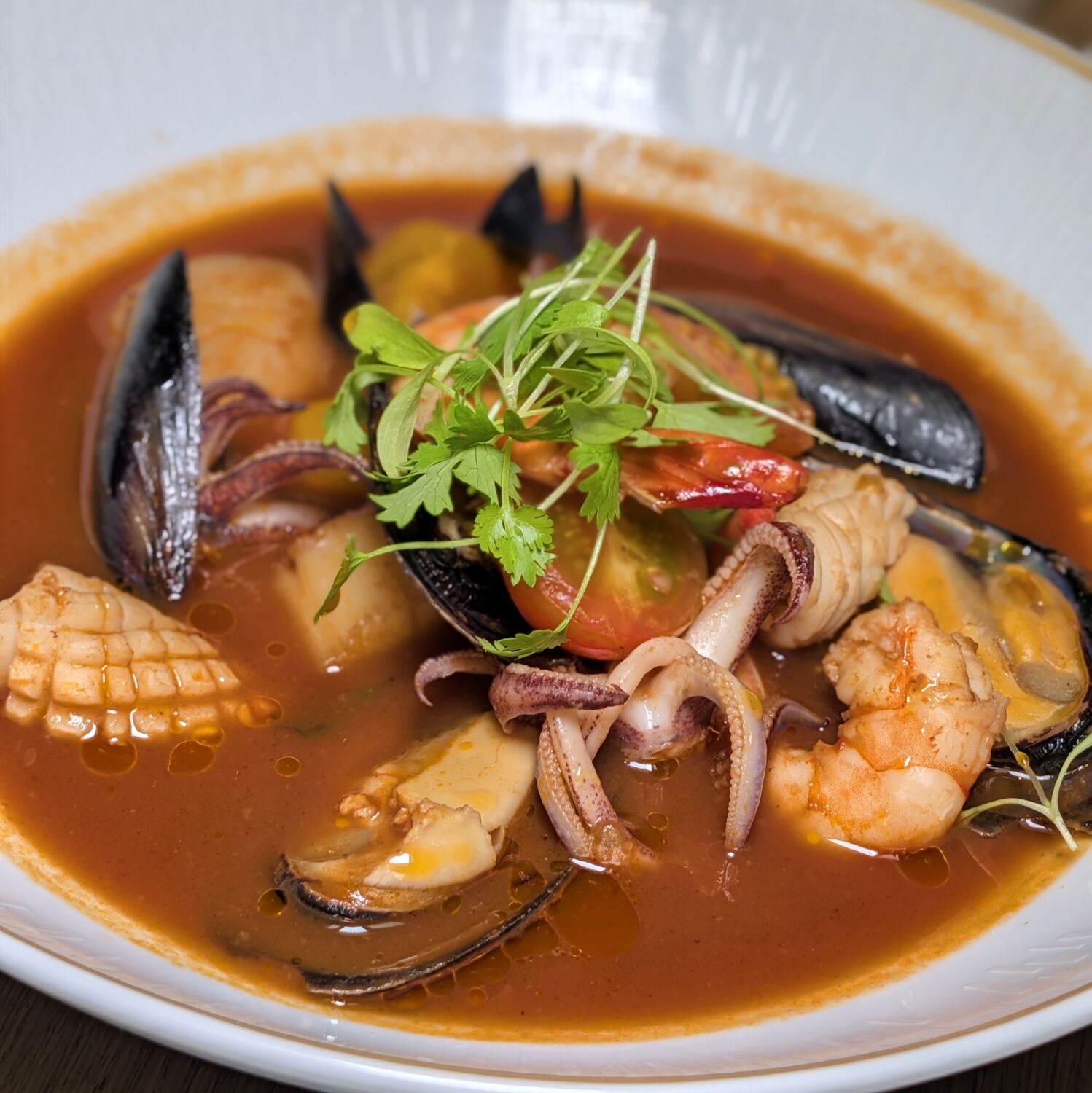
The meal began with a complimentary round of Santapan Pembuka Selera (artisanal crackers, Bintulu shrimp chilli paste and house-made chilled pickled cucumber). The Seafood Asam Klasik (scallops, mussels, prawns and sotong in clarified tamarind broth with tomato concassé and flavoured oil) packed a robust, prawn-forward flavour, its thick, deeply savoury broth served with buttery brioche for mopping up every last bit. The Pucuk Paku Cili Kampung (highland fiddlehead ferns with coconut milk and bird’s eye chilli) delivered a pulut hitam-meets-chendol hit of creamy coconut richness, cheekily offset by a rather naughty kick of bird’s eye chilli. By comparison, the Kepak Ayam Borneo (deboned chicken wings with spiced chicken stuffing and honey-spice glaze) was a divisive proposition – the sausage-like stuffing had a distinctly mushy, fatty consistency, with hints of chicken skin and liver that I wasn’t entirely sold on.
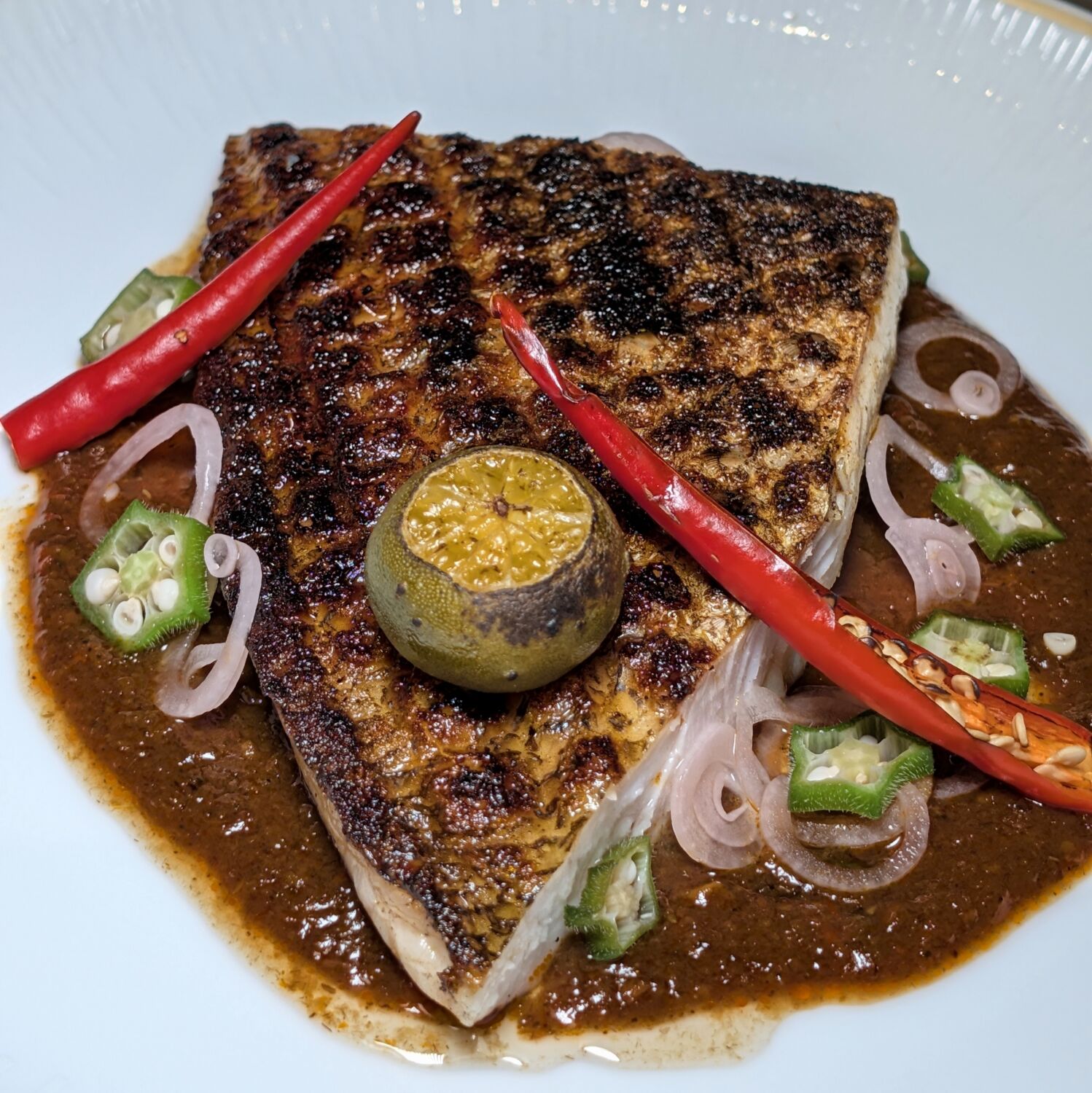
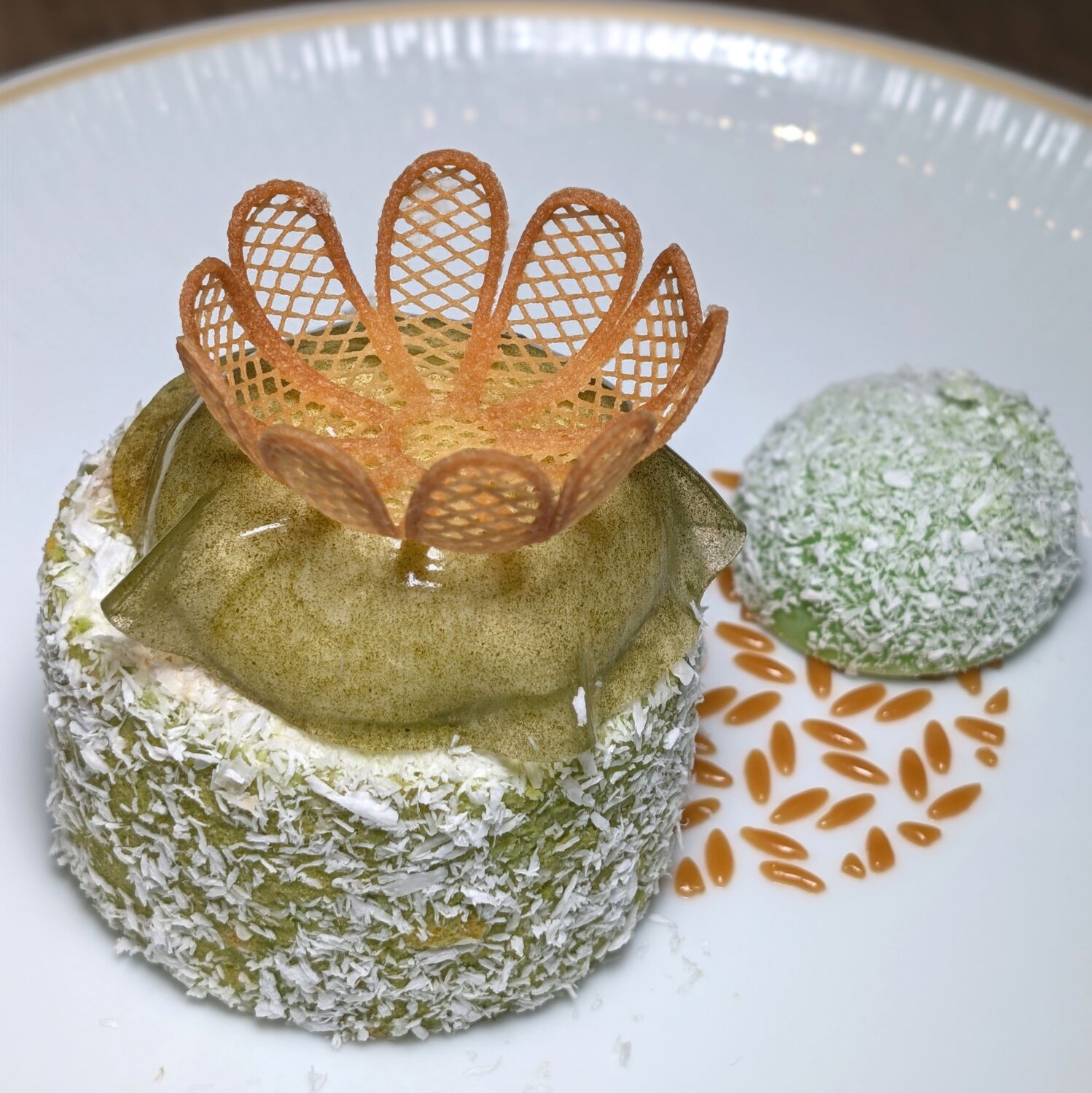
The Ikan Bakar Borneo (chargrilled red snapper with wild ginger chilli paste, or sambal tuhau) was a triumph, with generous chunks of tender fish beneath beautifully crisp, charred skin, accompanied by a thick, assam laksa-style sauce. The Ayam Berempah ISTANA (deep-fried spiced chicken with crispy curry leaves) was another satisfying exercise in crunch and spice, the chicken being tender and faintly pink while its skin was crisp all around. The dessert Onde-Onde Permata brought together the contrasting textures of freshly shredded coconut and fragrant pandan, rounded off by a pleasingly creamy vanilla bean sweetness.
Peacock Alley, the hotel’s all-day dining and social space, offers a menu that straddles local favourites and international comfort food. Malaysian-inspired options include Nasi Goreng Kampung, Black Angus Beef Hor Fun and Lobster Mee Mamak, while the more international selection ranges from Signature Waldorf Salad and Caserecce Octopus Pasta to Lobster Rigatoni and Wild Mushroom Fettuccine. The cocktail list covers the classics, (e.g. Gibson, Classic Martini and Rob Roy) alongside house signatures with a distinctly Malaysian accent such as the Kelulut Margarita, Peacock Spritz with torch ginger and lychee, and a Whisky Highball infused with pandan.
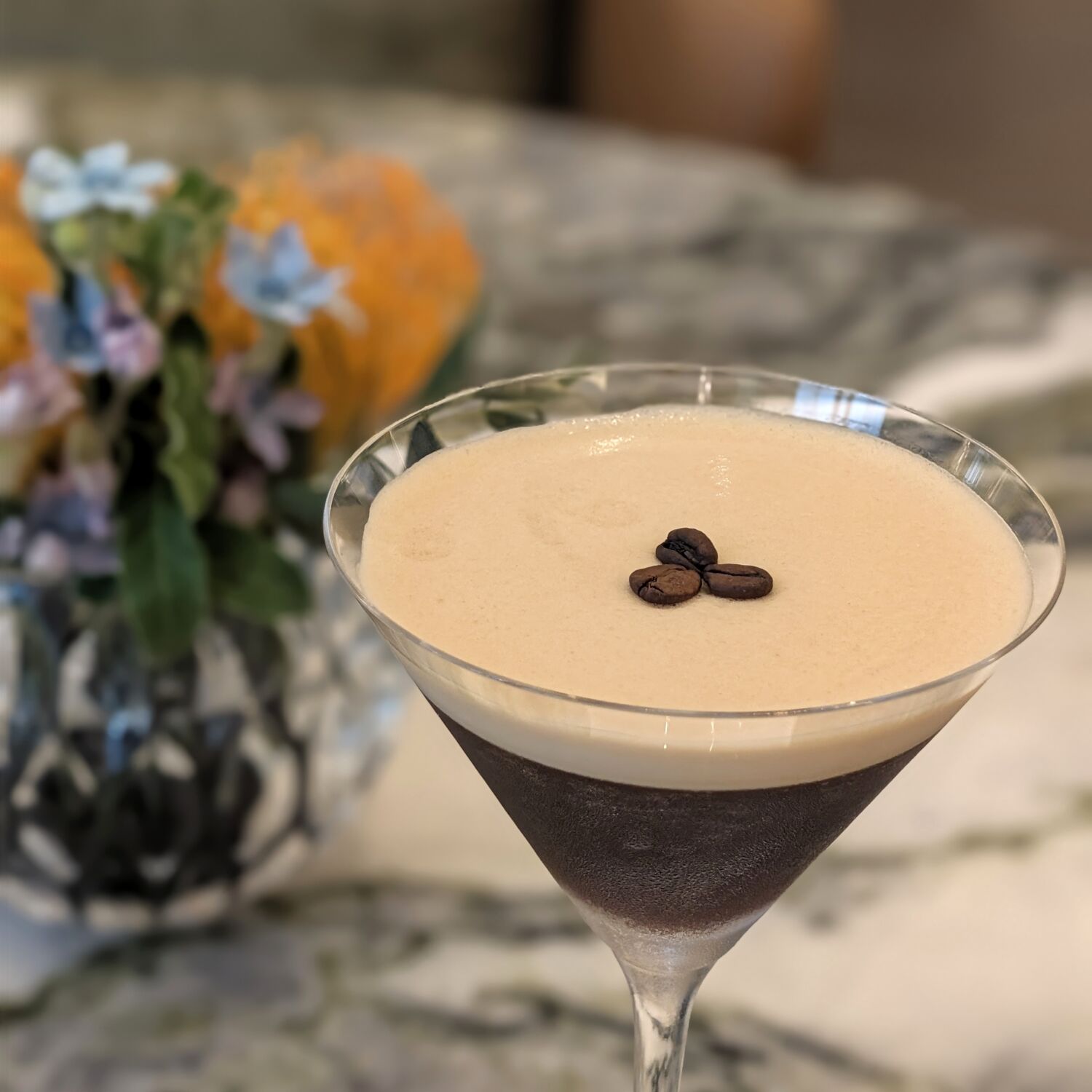
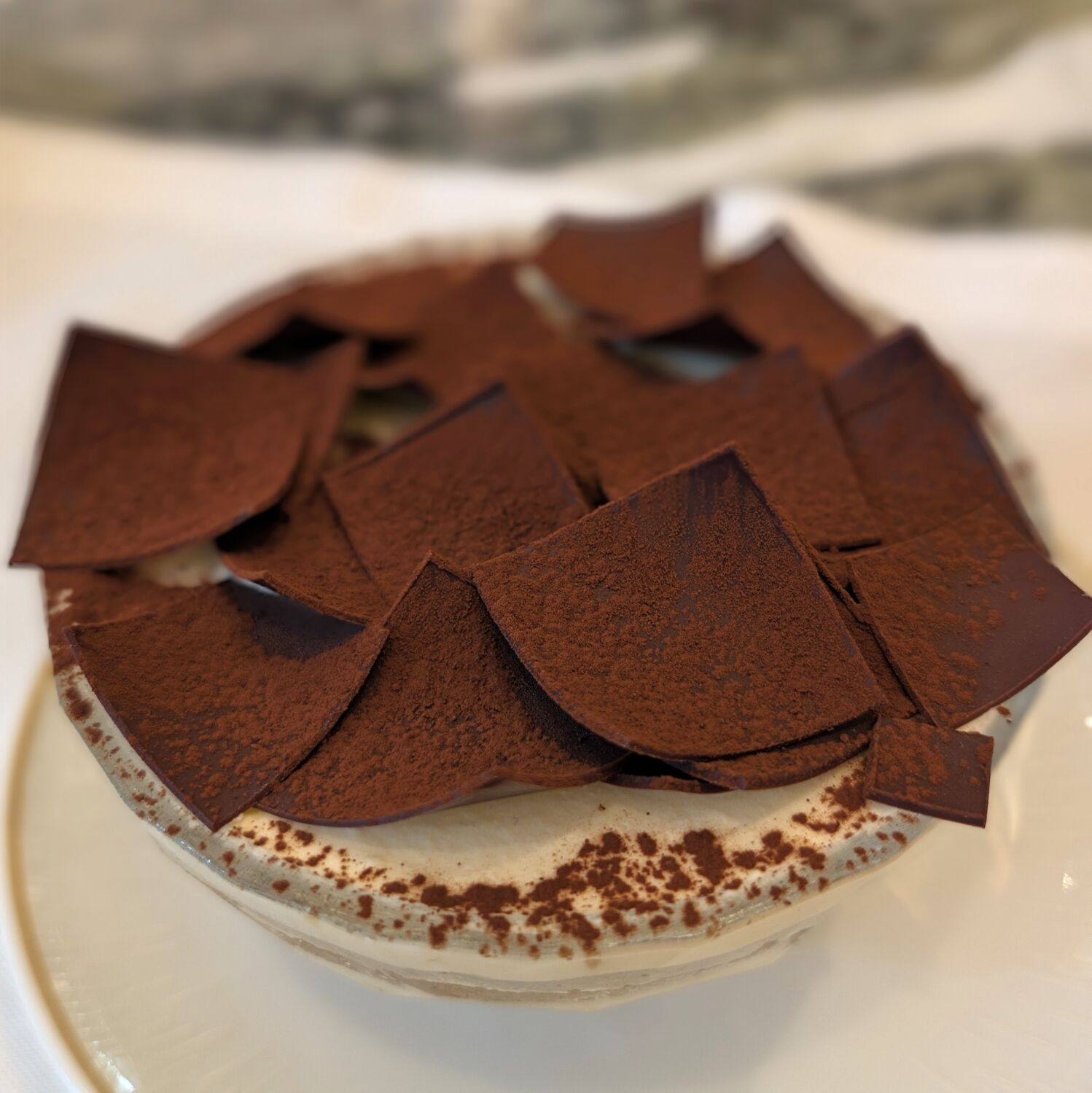
The Cham Espresso Martini (Grey Goose vodka, espresso, coffee liqueur and Malaysian black tea) was more kopi than teh, leaning heavily towards coffee bitterness, while the Tiramisu Kopi Kampung (mascarpone mousse and ladyfinger sponge infused with Malaysian coffee) was pleasant but unremarkable, a fairly cake-y and creamy affair that didn’t quite leave a lasting impression.
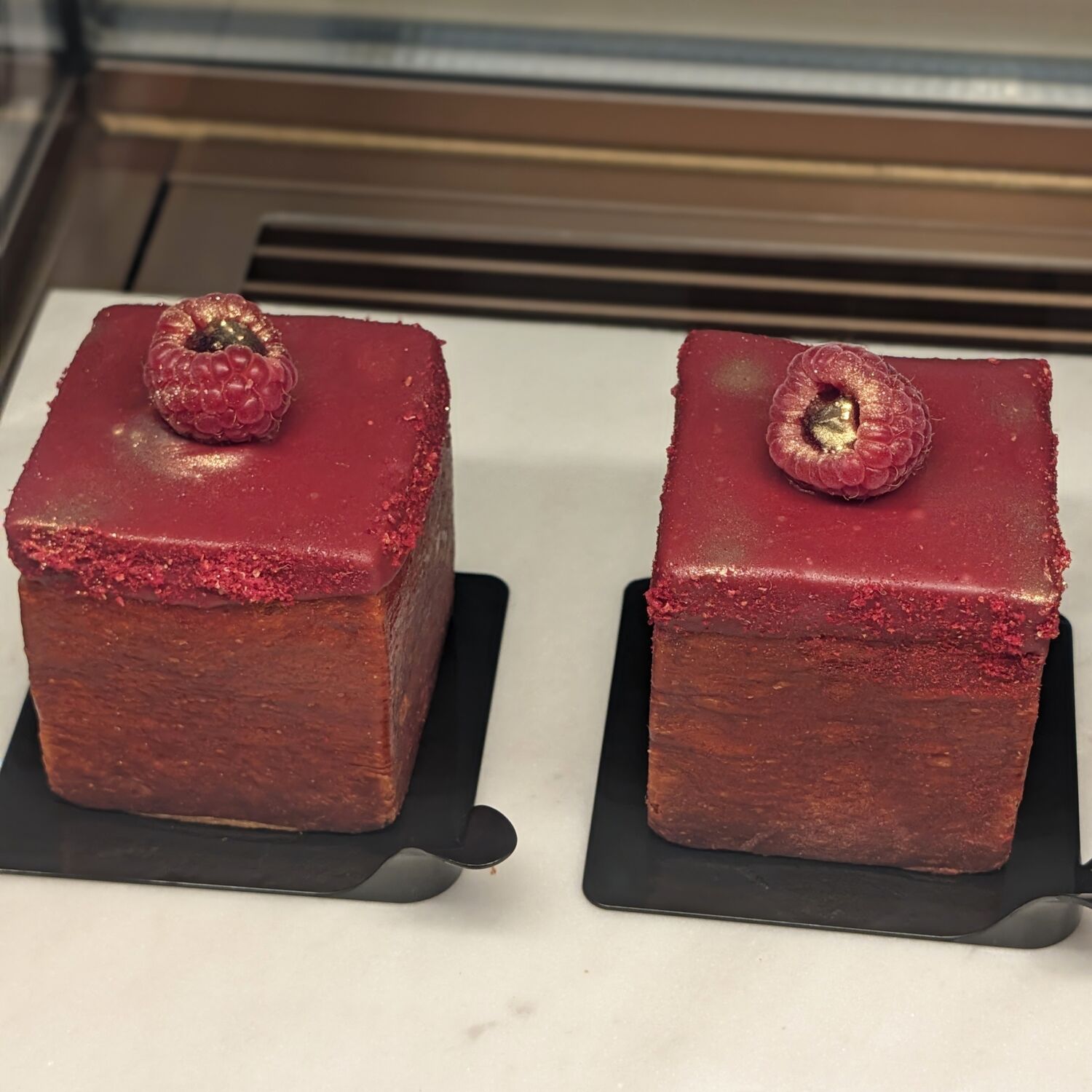
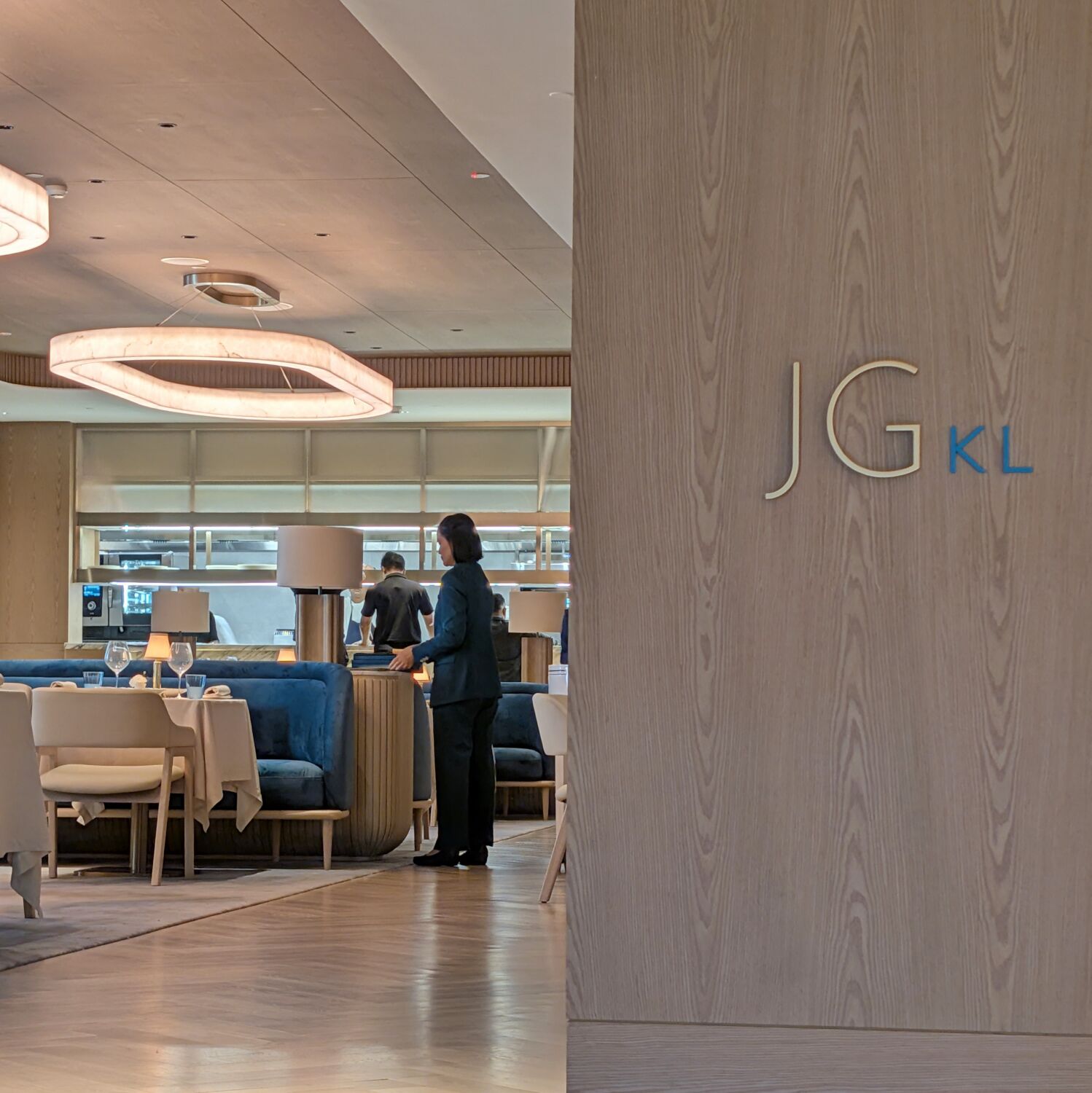
Jean-Georges Vongerichten helms three distinct concepts at the hotel: JG KL, abc kitchens KL and The Bar by JG. At the time of my visit, the fine-dining venue JG KL was still a few weeks away from opening, but I had the opportunity to explore the other two venues.
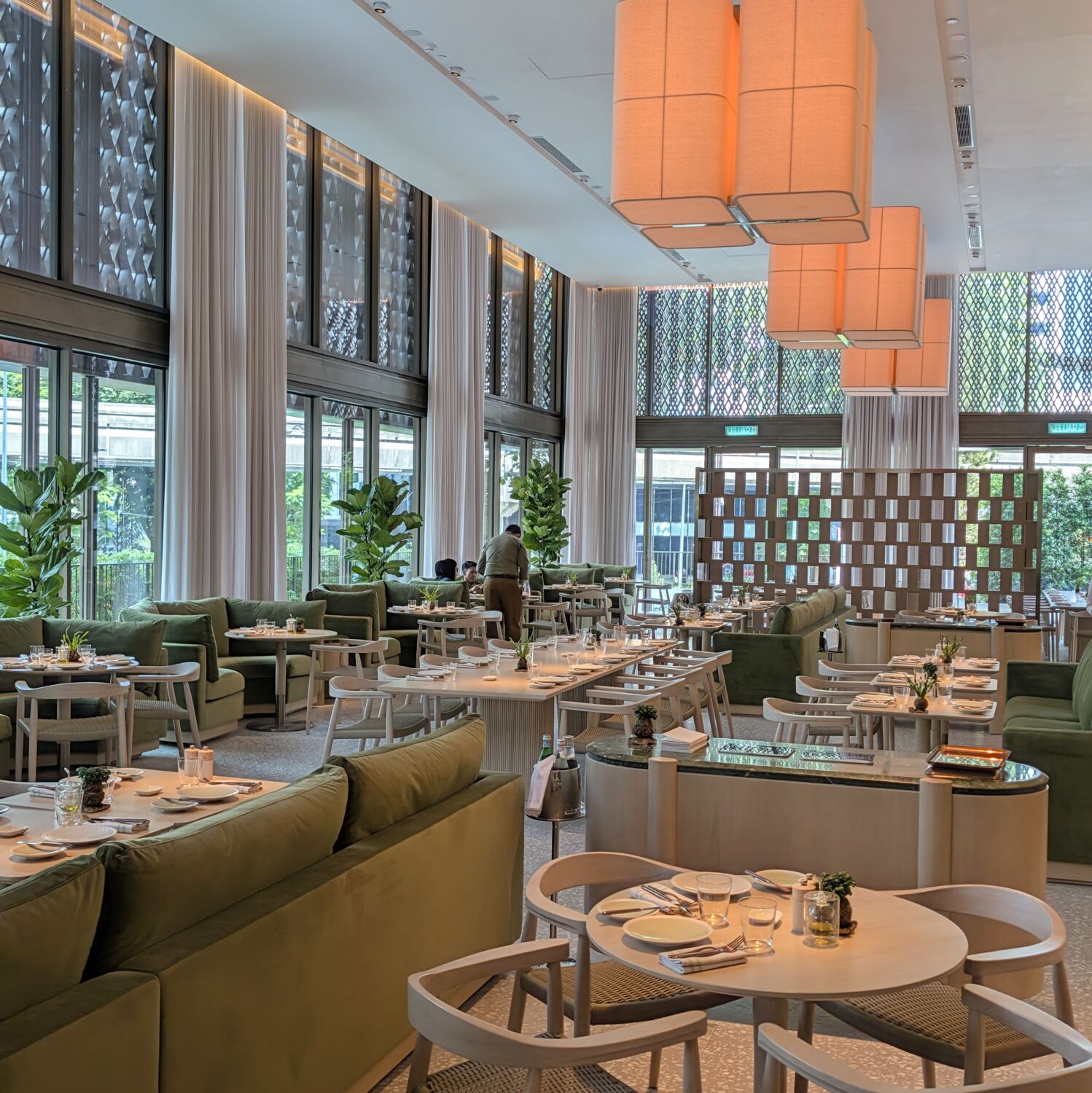
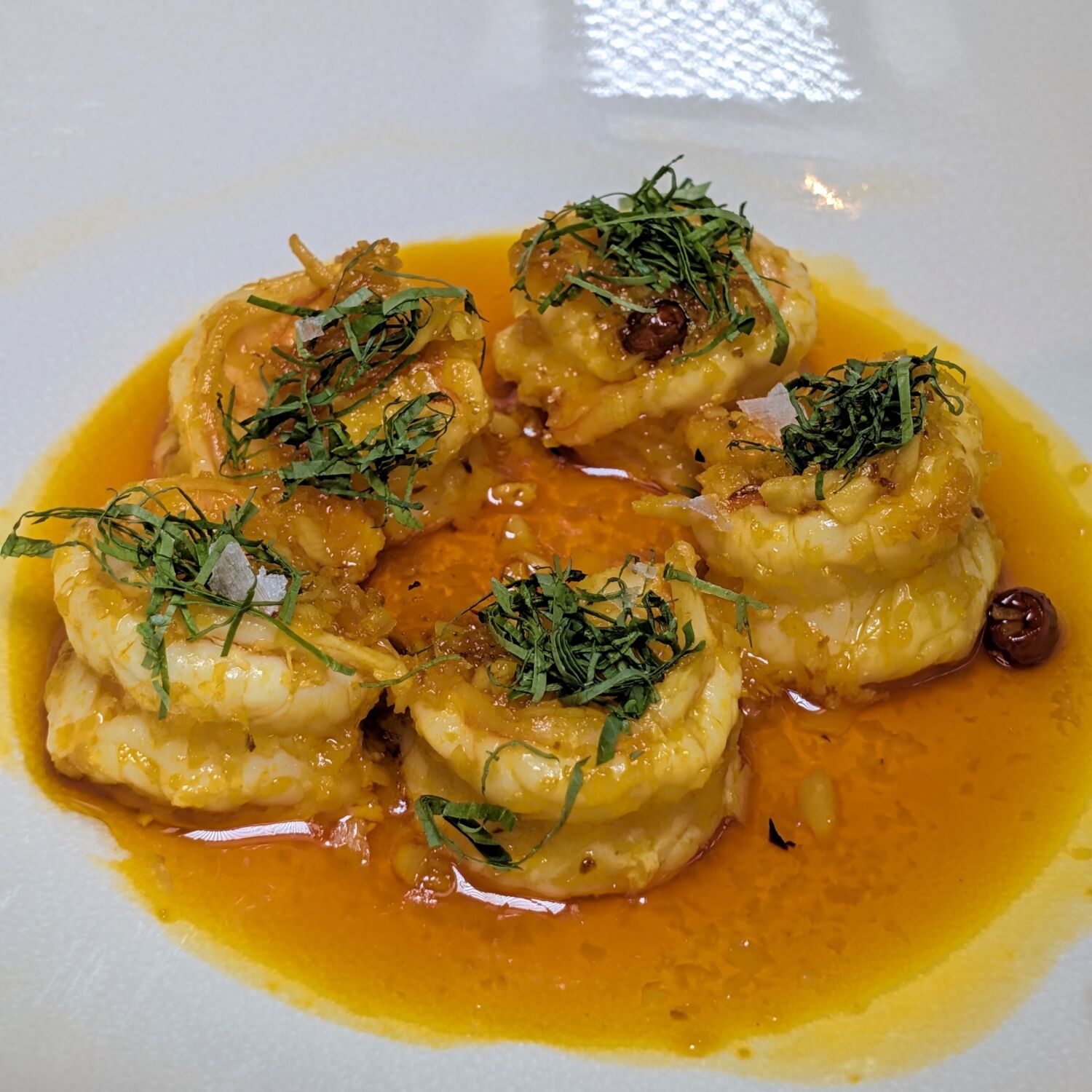
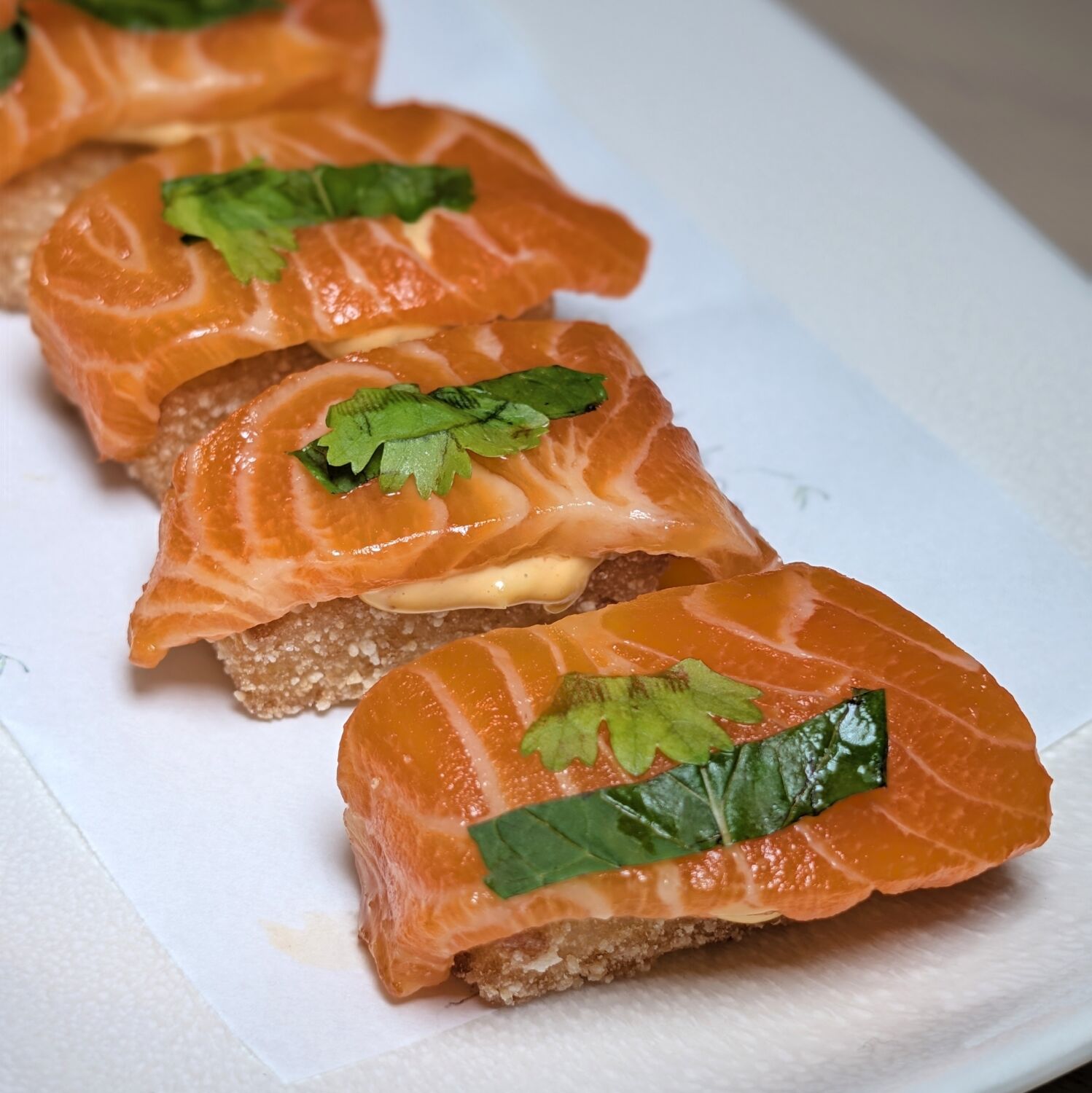
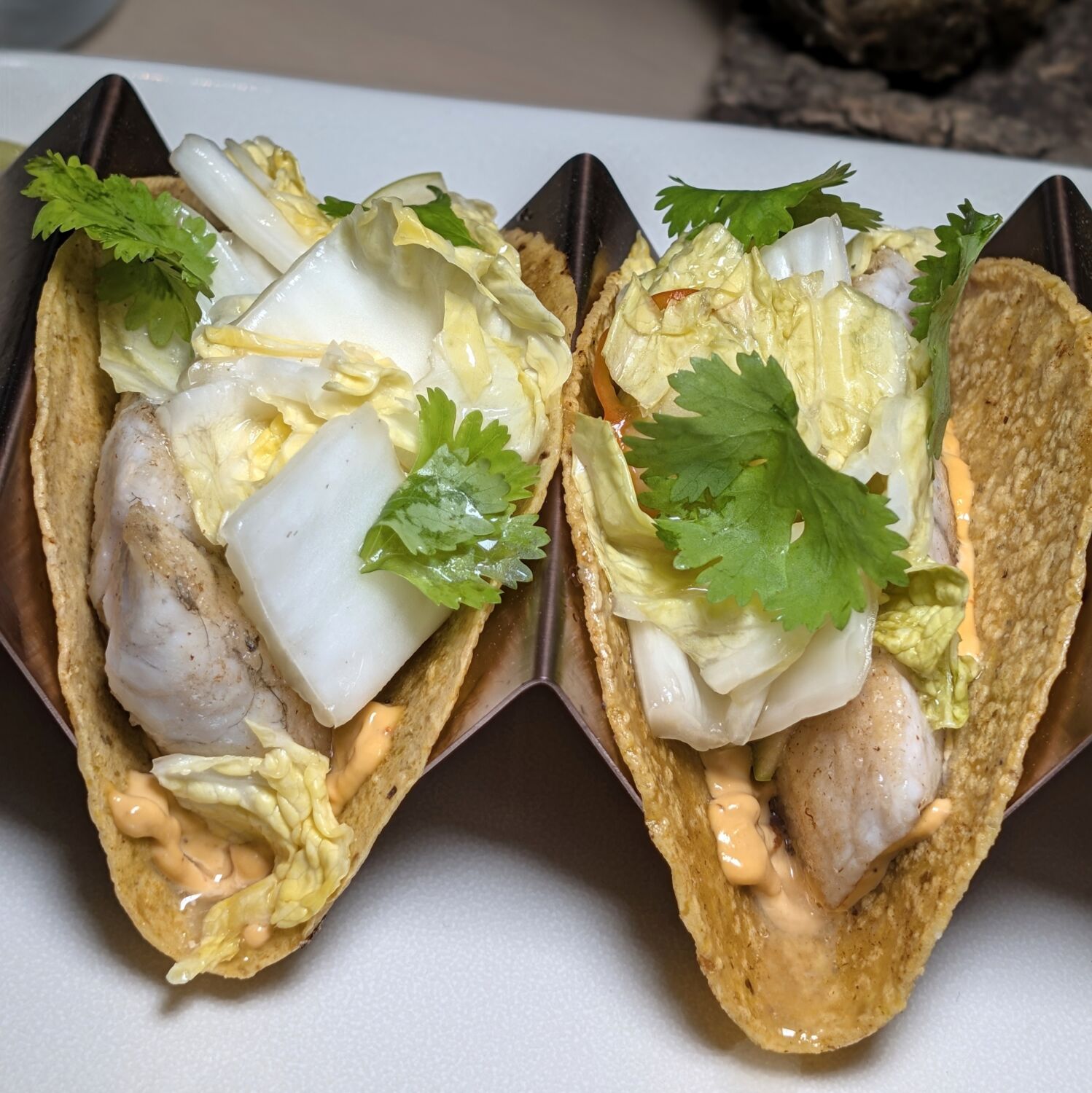
abc kitchens KL is an all-day restaurant grounded in a farm-to-table ethos, with a menu that blends plant-forward cooking with global influences. The selection spans crudos, wood-fired starters, tacos, pizzas, pastas and mains, with dishes ranging from Tuna Tartare Pan Con Tomate and Black Truffle and Fontina Cheese Pizza to Pistachio-Crusted Broccoli and Grilled Organic Half Chicken. Of the dishes we tried, the Sautéed Prawns (sizzling garlic, chillies, parsley, lemon) were sensational, with a spicy chilli oil boasting a pleasing Indian-meets-Asian flavour profile and bits of crispy garlic so alluringly delectable that I found myself spooning up every last bit long after the prawns had disappeared. We also had the Griddled Snapper Tacos (crispy skin, grilled jalapeño salsa), Crispy Sea Trout Sushi (chipotle emulsion, soy glaze) and tasty House-Made French Fries.
The Bar by JG offers a more convivial counterpoint, with a fruit-forward cocktail list which features refreshing concoctions such as Raspberry Lychee Bellini, Cucumber Martini and Ginger Margarita.
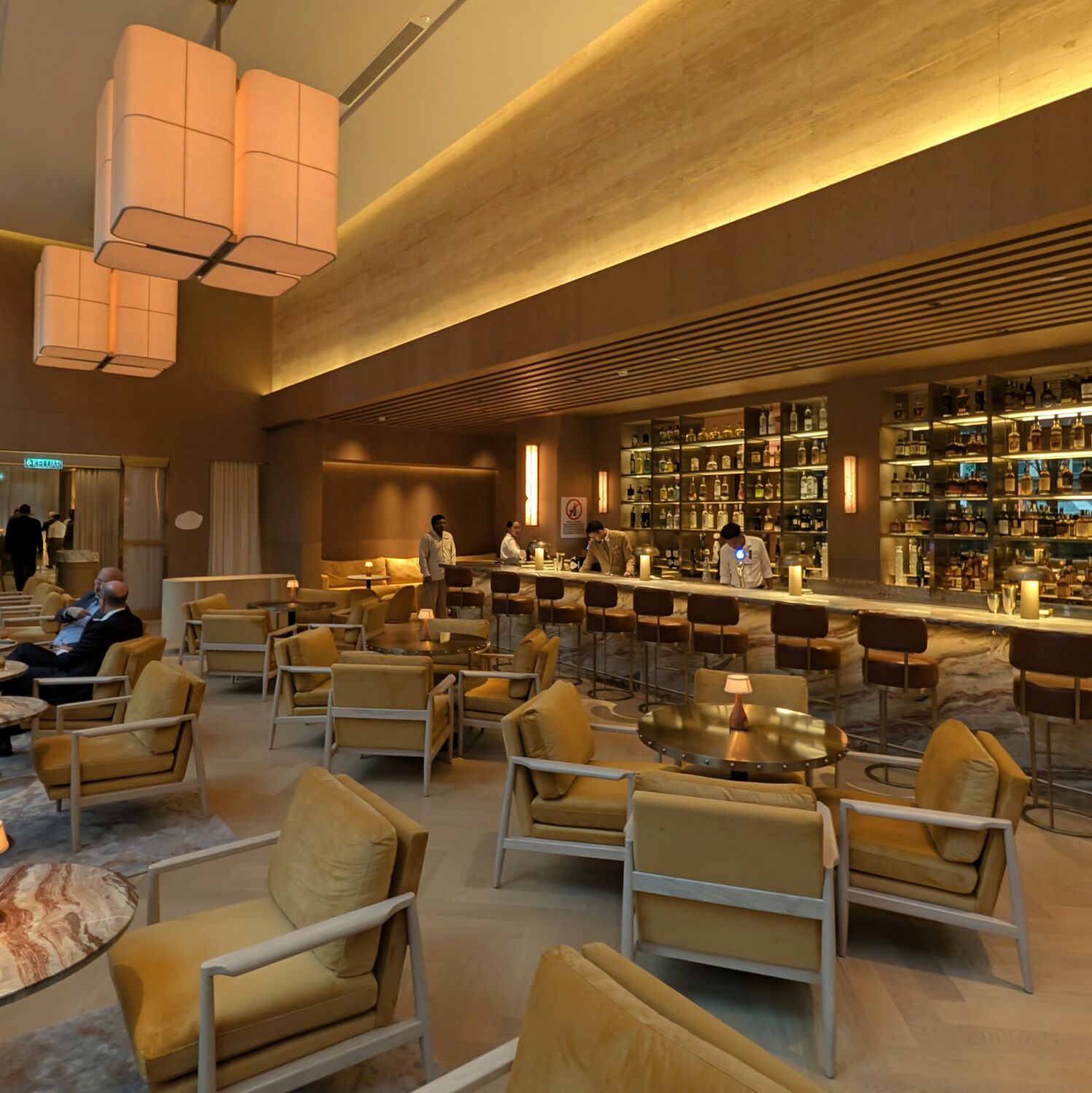
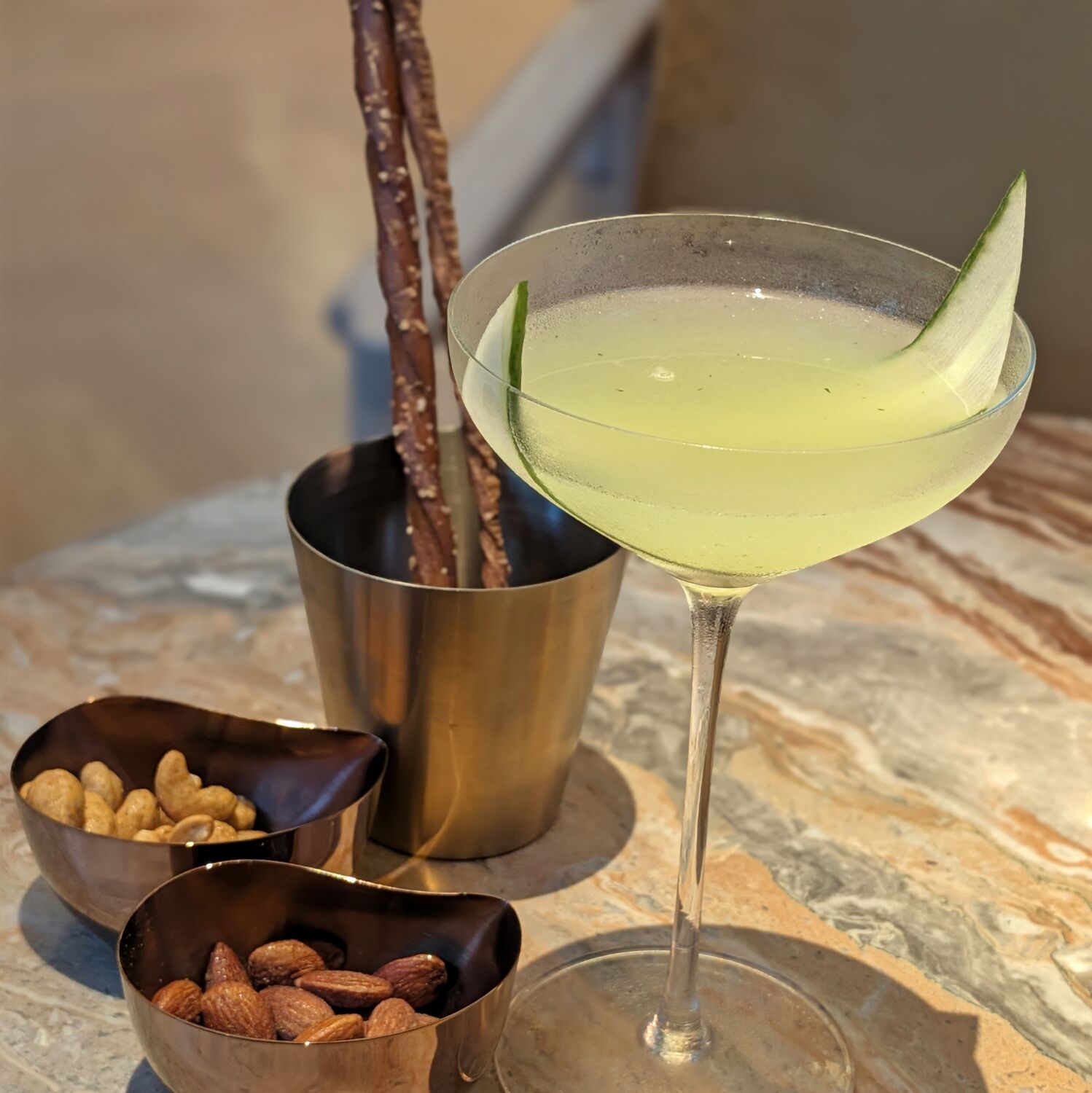
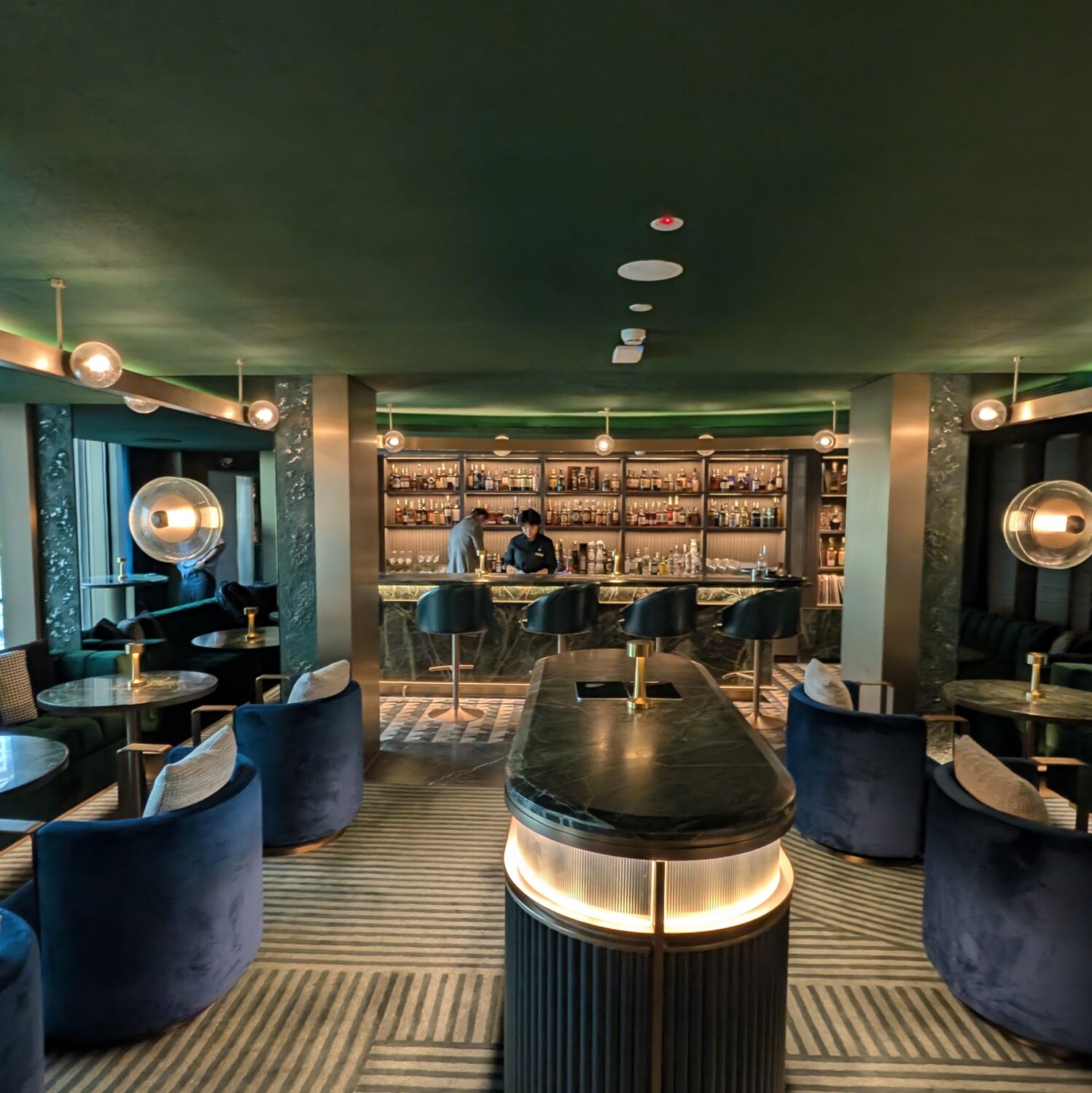
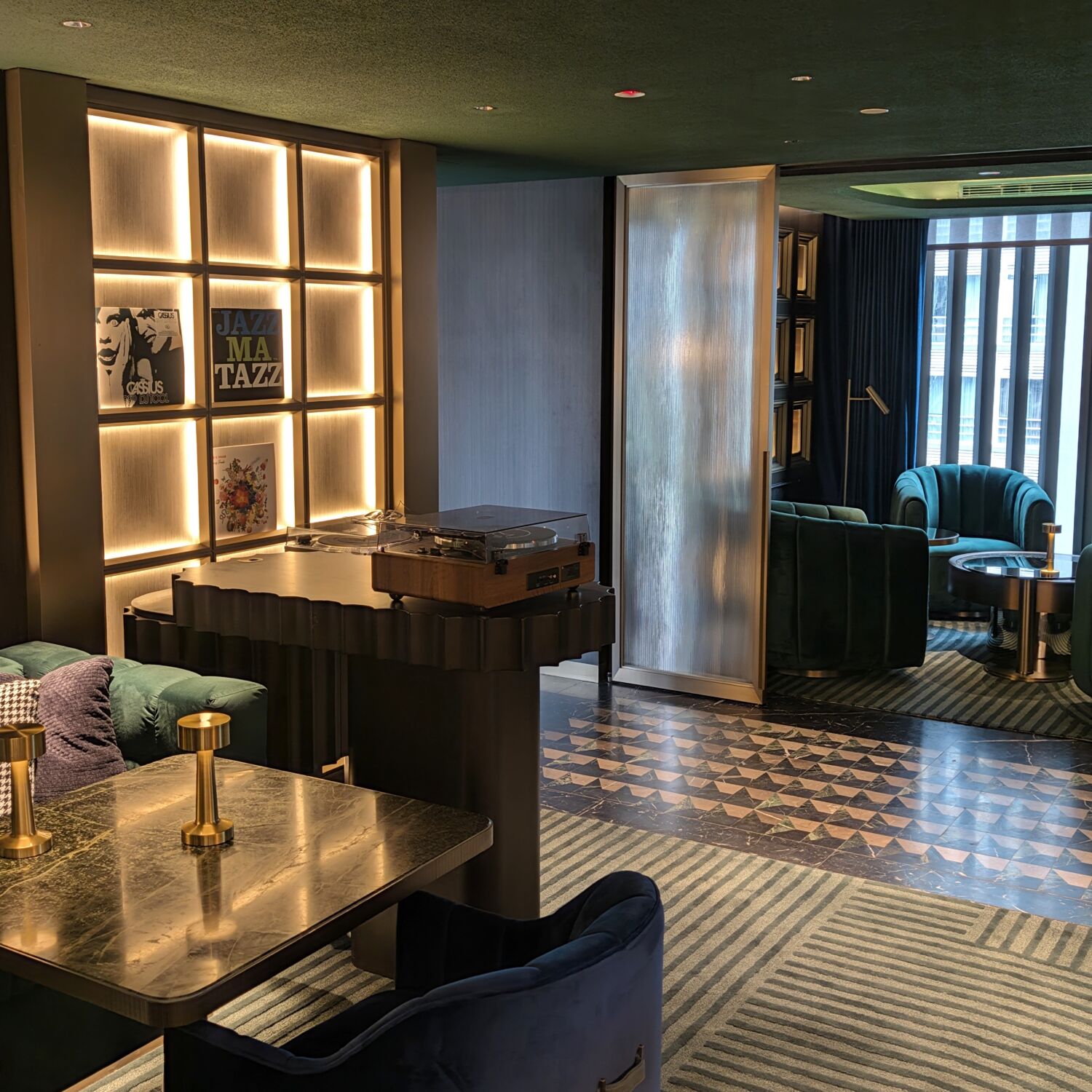
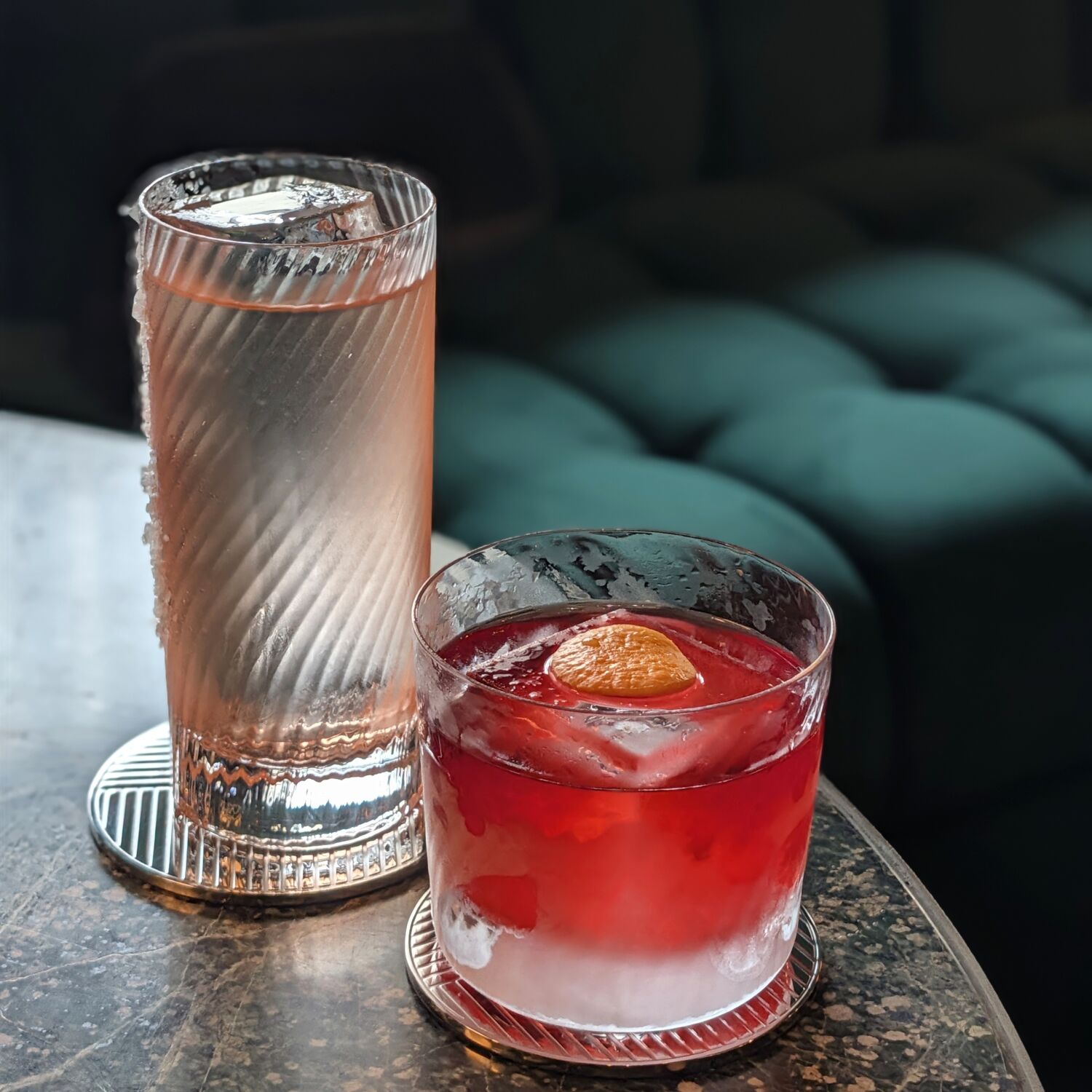
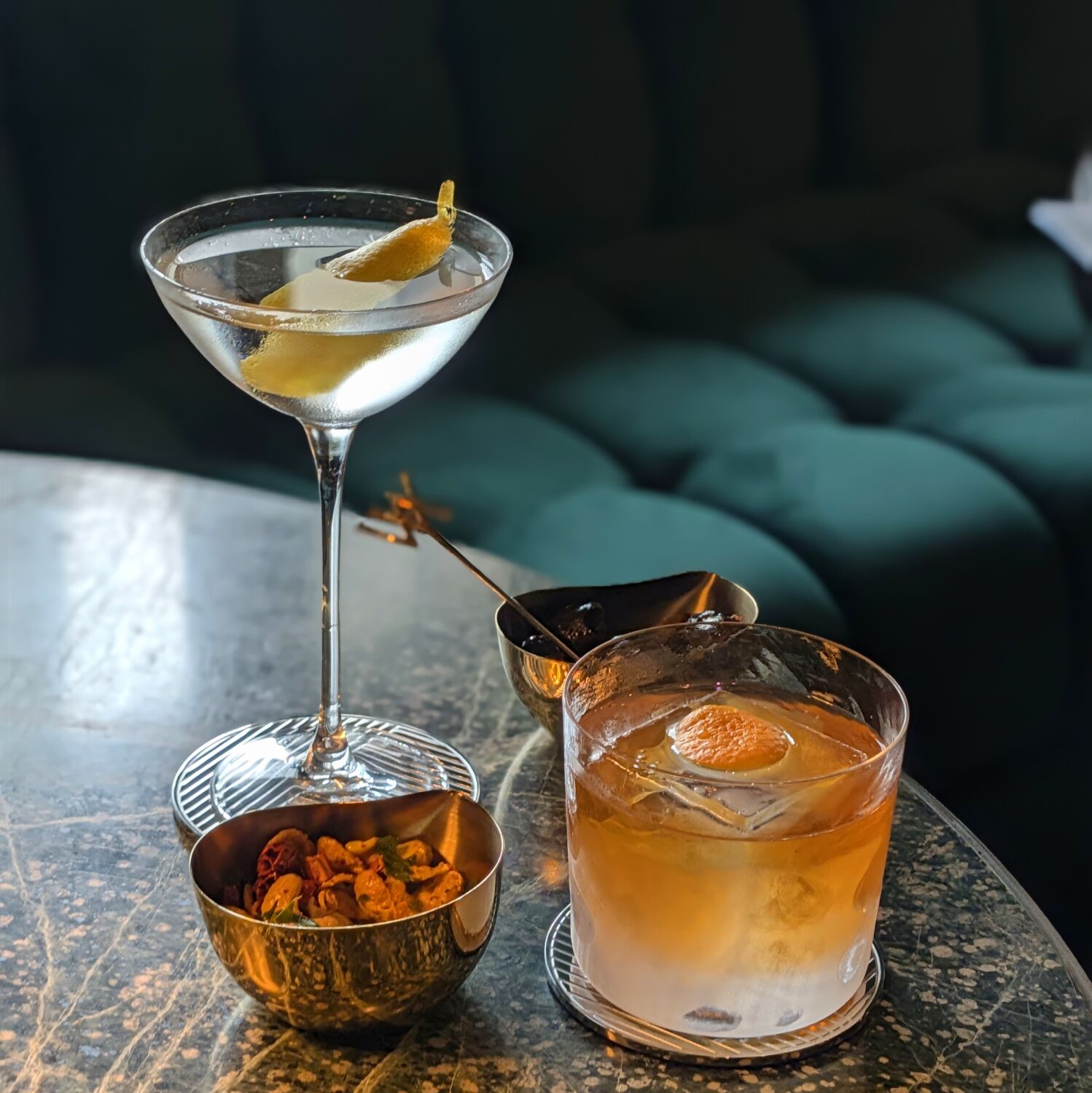
Set on the 4th level and accessible via a dedicated elevator near the check-in counters, Coda is a music-led cocktail lounge positioned as the hotel’s signature nightlife and cocktail destination (a profile reinforced by its prominent placement on elevator screens and digital displays throughout the property). The bar offers a cocktail menu divided into Featured Cocktails and Coda Classics. The music theme runs deeper than the vinyl on its turntables, with each featured cocktail paired with a musical reference. The New Frequency (Solísca Cristalino Reposado Tequila, Campari, grapefruit oleo, acidified champagne, musk melon soda), inspired by Cassius’s 1999, had a savoury, plummy character, while the Stumble (Los Siete Misterios Doba-Yej Mezcal, house mulberry liqueur, Java apple, Campari, rosewater), inspired by Kraak & Smaak’s Juicy Fruit, brought together smoky and sweet notes with a touch of bitterness. From the Coda Classics, the Martini (farmer’s gin, dry vermouth blend, acidified tuak, orange bitters) was heart-racingly stiff, while the Old Fashioned (beef bak kwa Michter’s bourbon, cardamom, clove and cascara distillate, mandarin jaggery, chocolate) was considerably smoother.
CONCLUSION
Having also stayed at Park Hyatt Kuala Lumpur, against which Waldorf Astoria will invariably be compared, I found the two properties offer rather different propositions. Park Hyatt will inevitably draw guests with the sheer novelty of staying high above the city within Merdeka 118, with its vertiginous views providing an experience that is difficult to replicate elsewhere in Kuala Lumpur, while its pastry and dessert selection deserves particular praise and arguably comes out ahead. Waldorf Astoria, by contrast, makes a stronger case for luxury on its own merits, with its all-suite accommodation, thoughtful in-room touches, impressive Wellness Studio and broader collection of dining and social venues. Its culinary offering also feels more firmly rooted in its surroundings, with Istana providing a more affectionate celebration of Malaysian culture and cuisine.
The question of which ultra-luxury hotel to stay during my next KL visit may already have an answer.
Waldorf Astoria Kuala Lumpur
73 Jalan Raja Chulan, Bukit Bintang
Kuala Lumpur, 50200 Malaysia


Comments are closed.