
In this edition of Fatback Food Stories, I share about notable meals and bars that i had visited during the course of Osaka/Tokyo trip in October 2025, including a duck yakitori specialty concept, a legendary curry restaurant, ramen basked in guinea fowl glory and seafood salaciousness, various chicken yakitori joints featuring exotic parts, a champagne and gyoza pairing, and lesser-known cocktail bars in Tokyo. Let’s go.
SUMIBI YAKITORI KAMOJIN
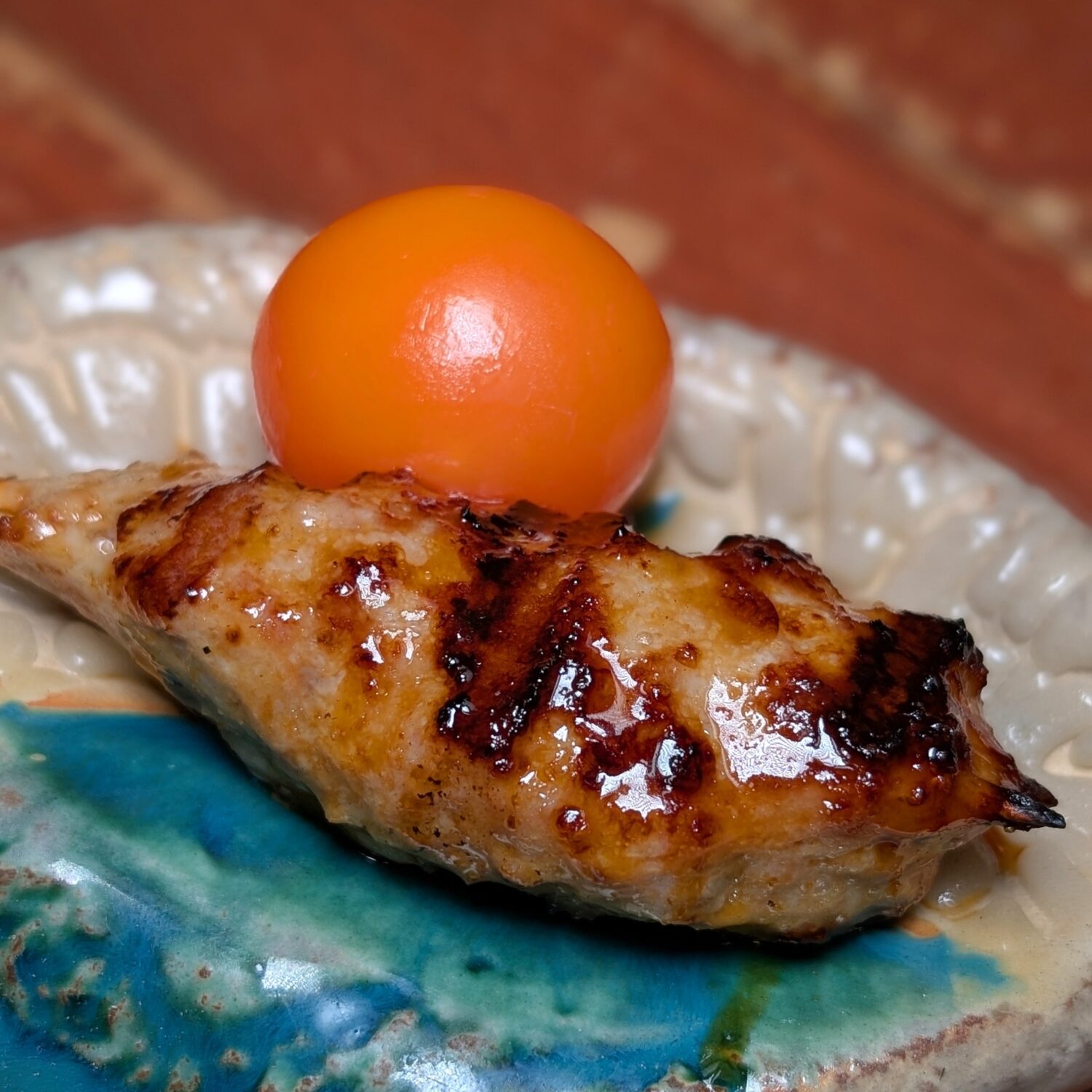
Sumibi Yakitori Kamojin, a duck yakitori specialty restaurant located near Namba station in Osaka. The duck-centric dishes all left strong impressions – the Fried Omi Duck Thigh played like popcorn chicken supercharged with extra fat and a decidedly masculine meatiness of chew, while the smoky and rare-tender Charcoal-grilled Omi Duck two-type sampler (breast and thigh) was accompanied by different condiments for your choice of adventure. In terms of yakitori, the Duck and Green Onion and Duck Tsukune possessed a meatier, gamier edge compared to their chicken counterparts, while the Duck Skin with Sauce was a splendid blend of sassy fatty and smoky crisp.
The chicken yakitori we tried were equally good – think Seseri (neck meat), Liver, Furisode (meat between the drumstick and breast), Breast Bone Cartilage and Esophagus (rare cut). I always go for Kawa (skin) and Bonjiri (tail), and they were reliably fatty and fantastic.
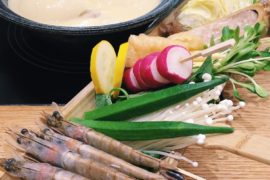
Other intriguing-sounding dishes which I will come back to try include the Duck and Green Onion Hotpot and Kamotsuki Duck (Peking Duck-style).
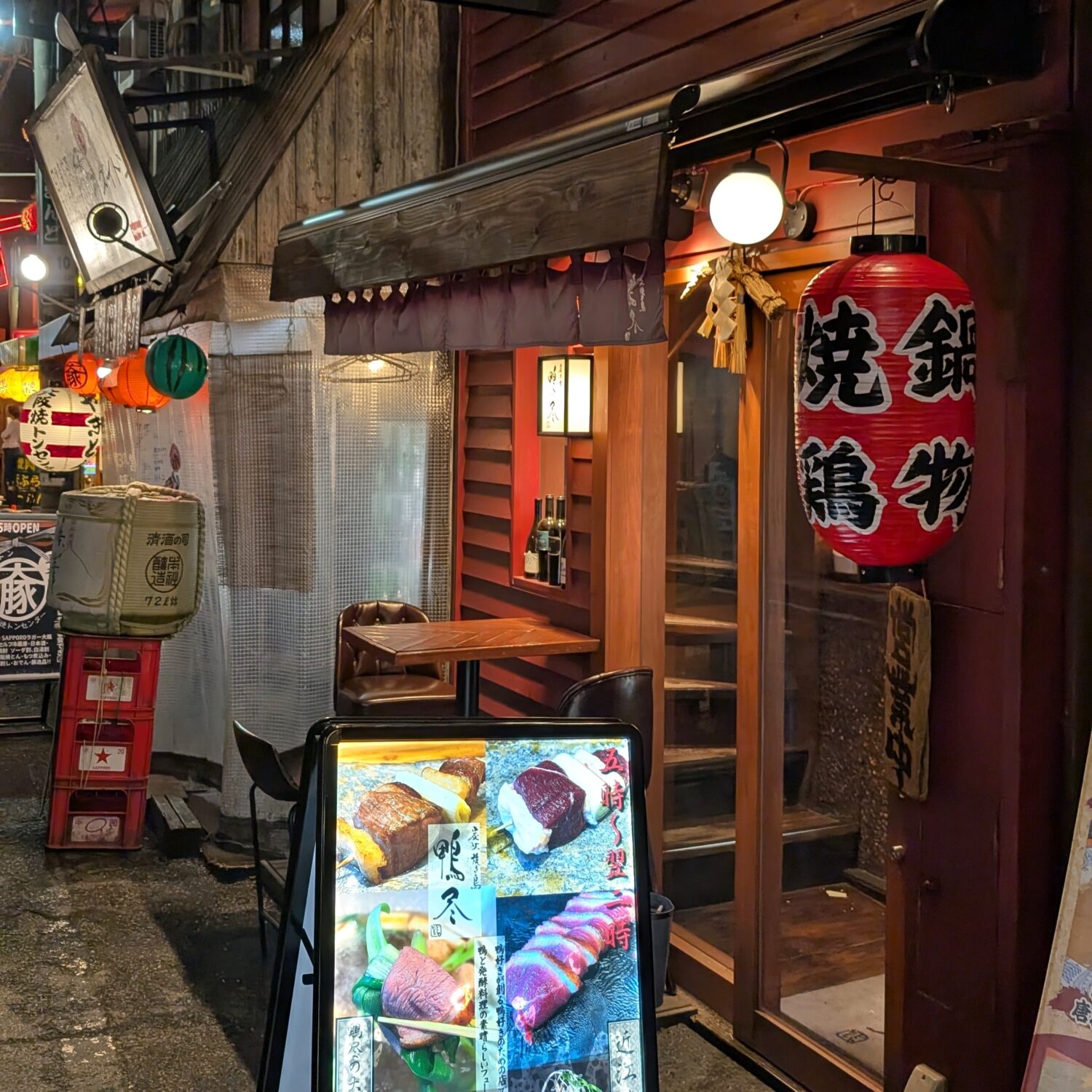
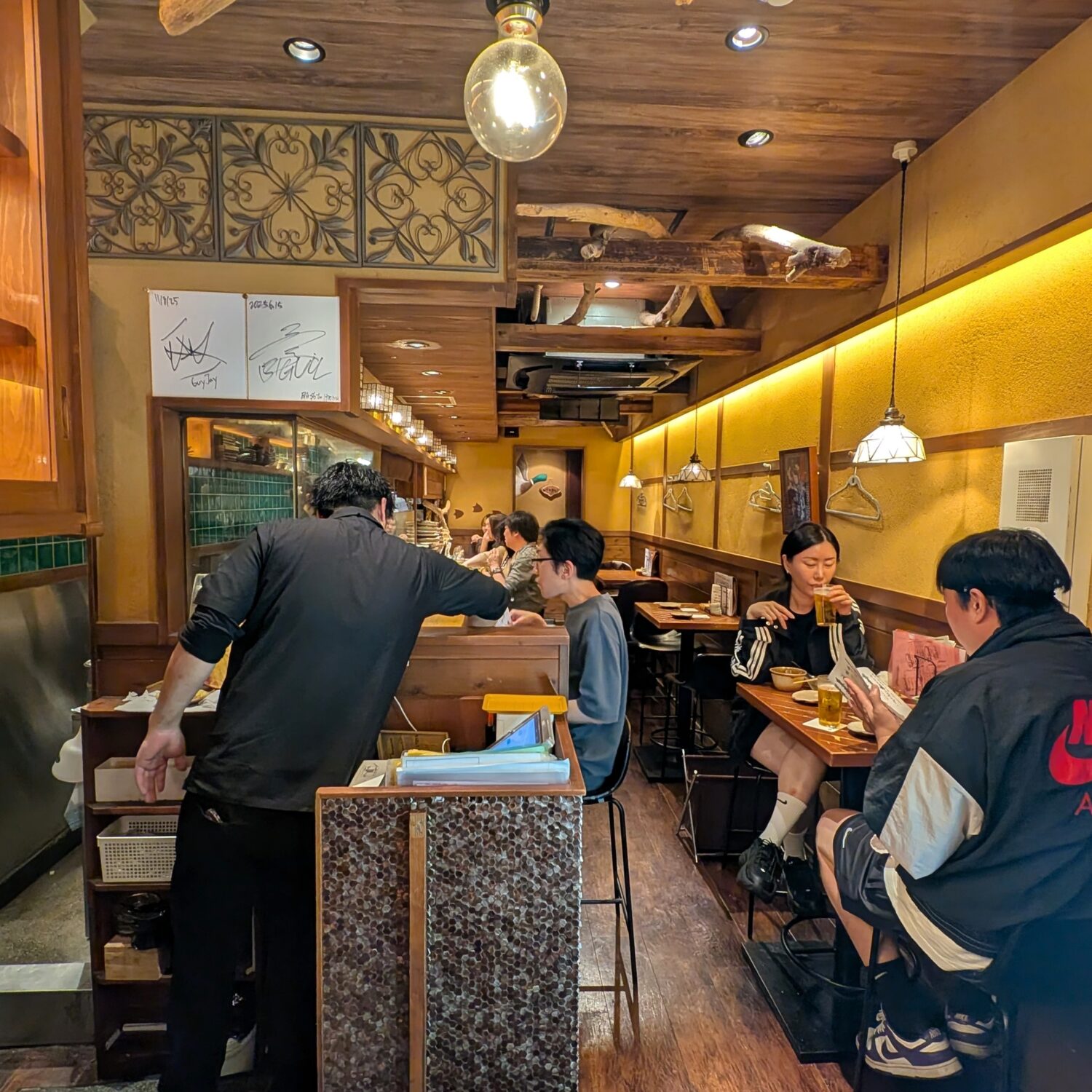
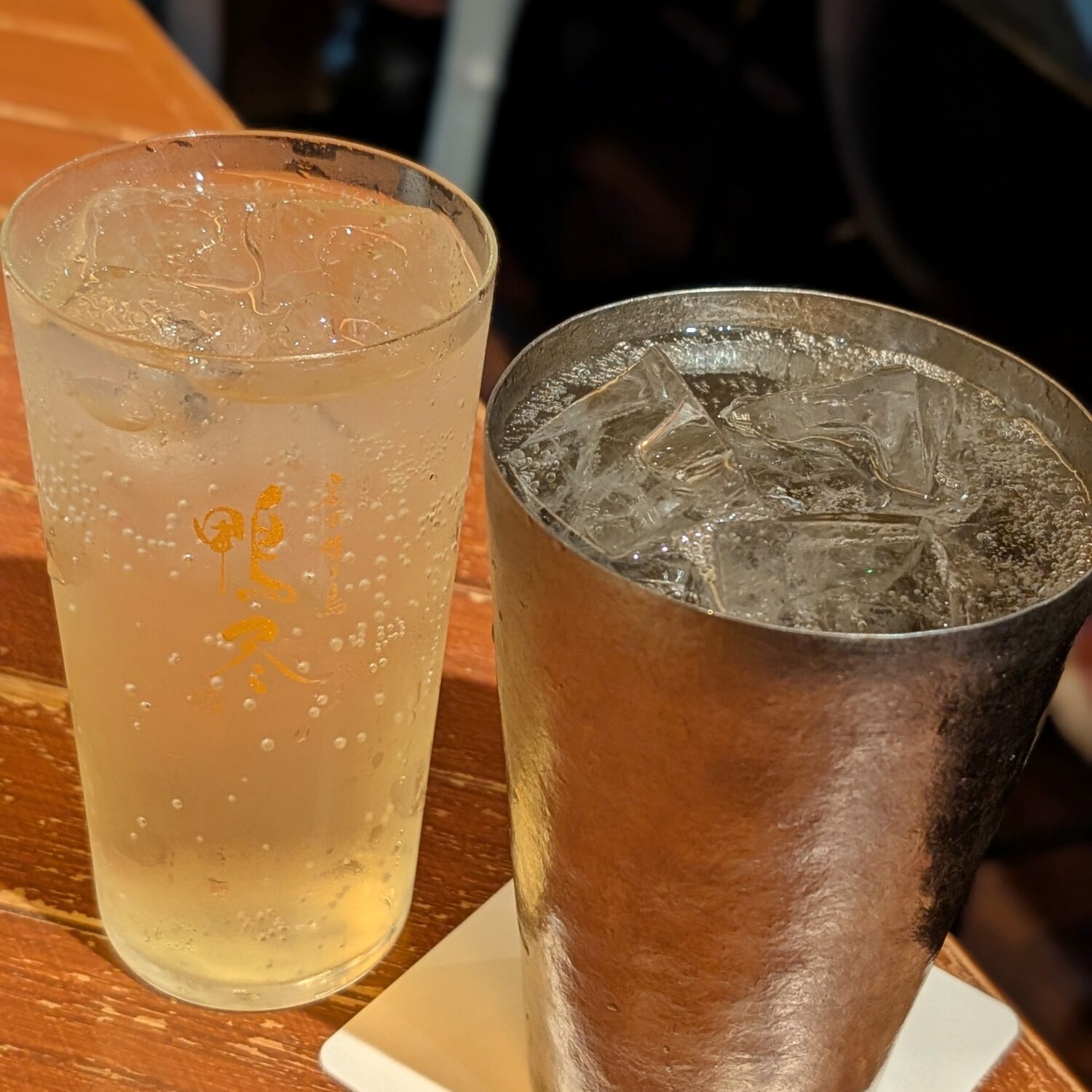
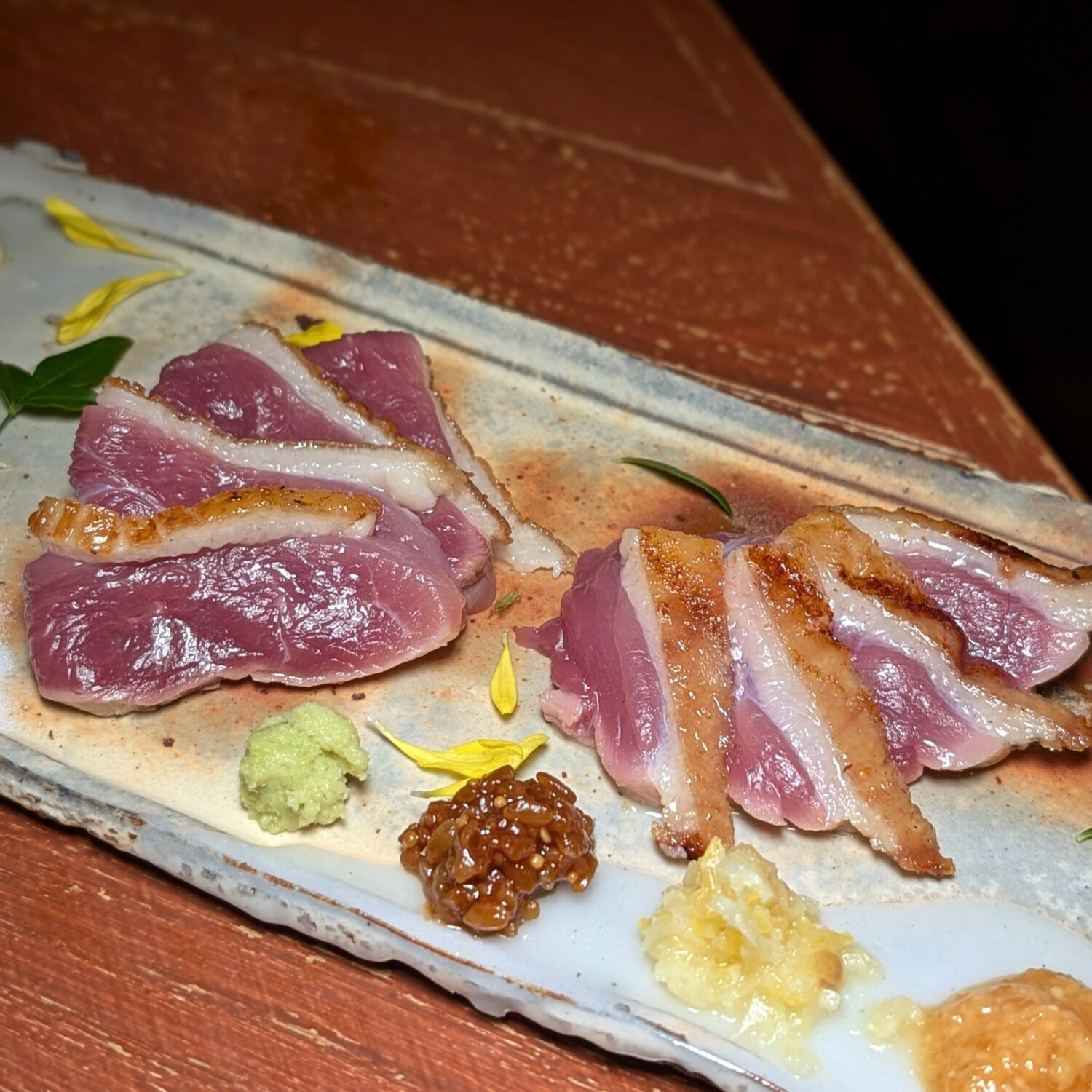
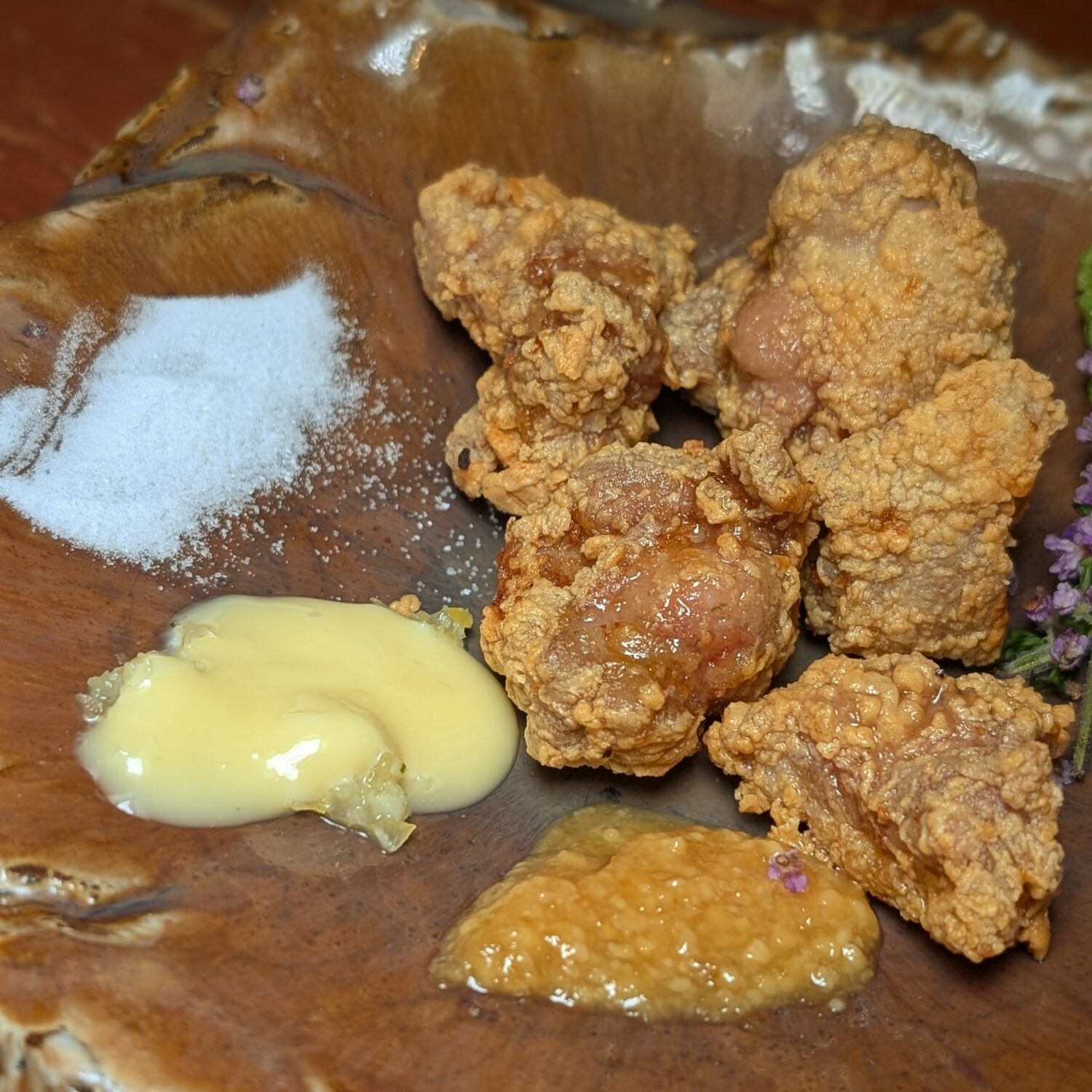
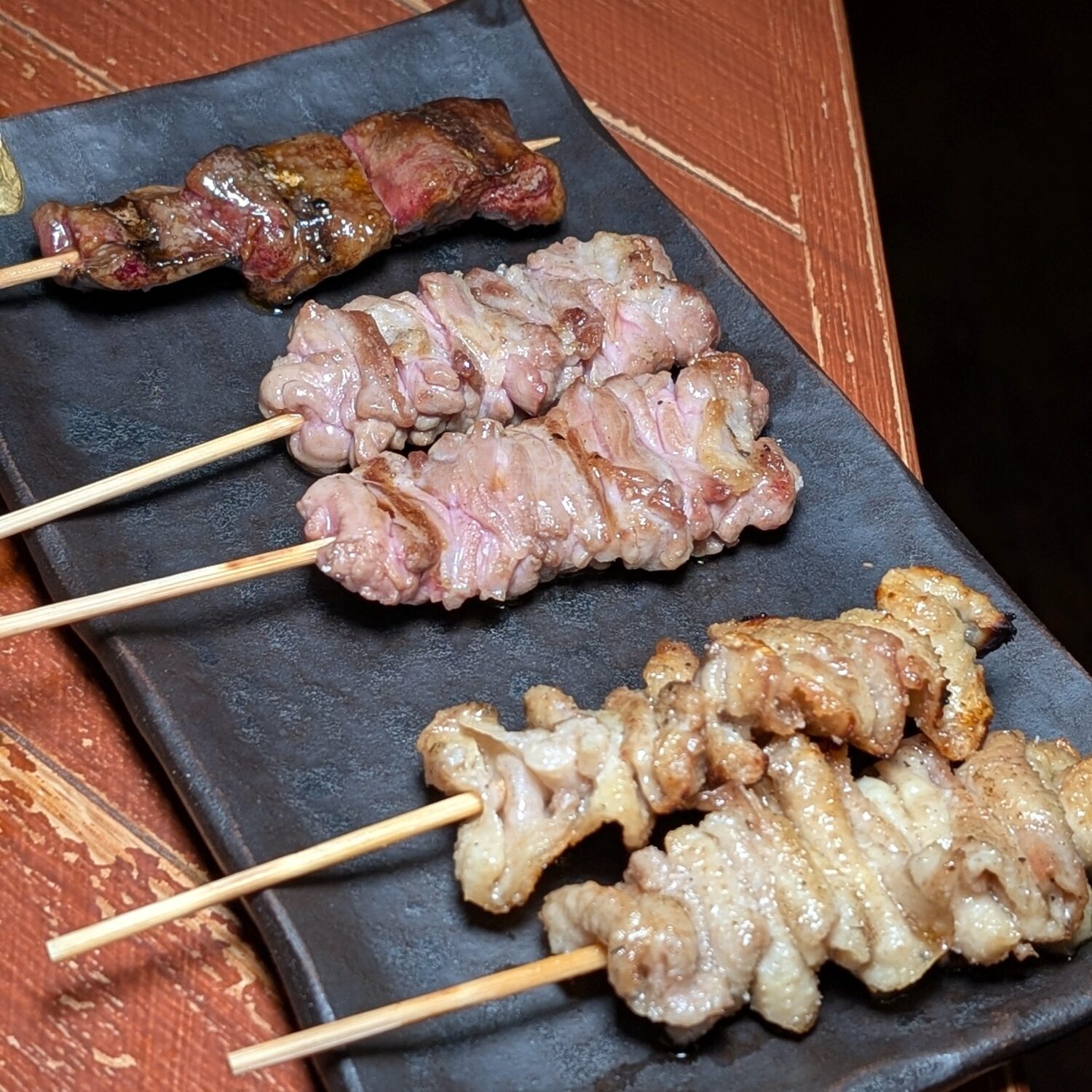
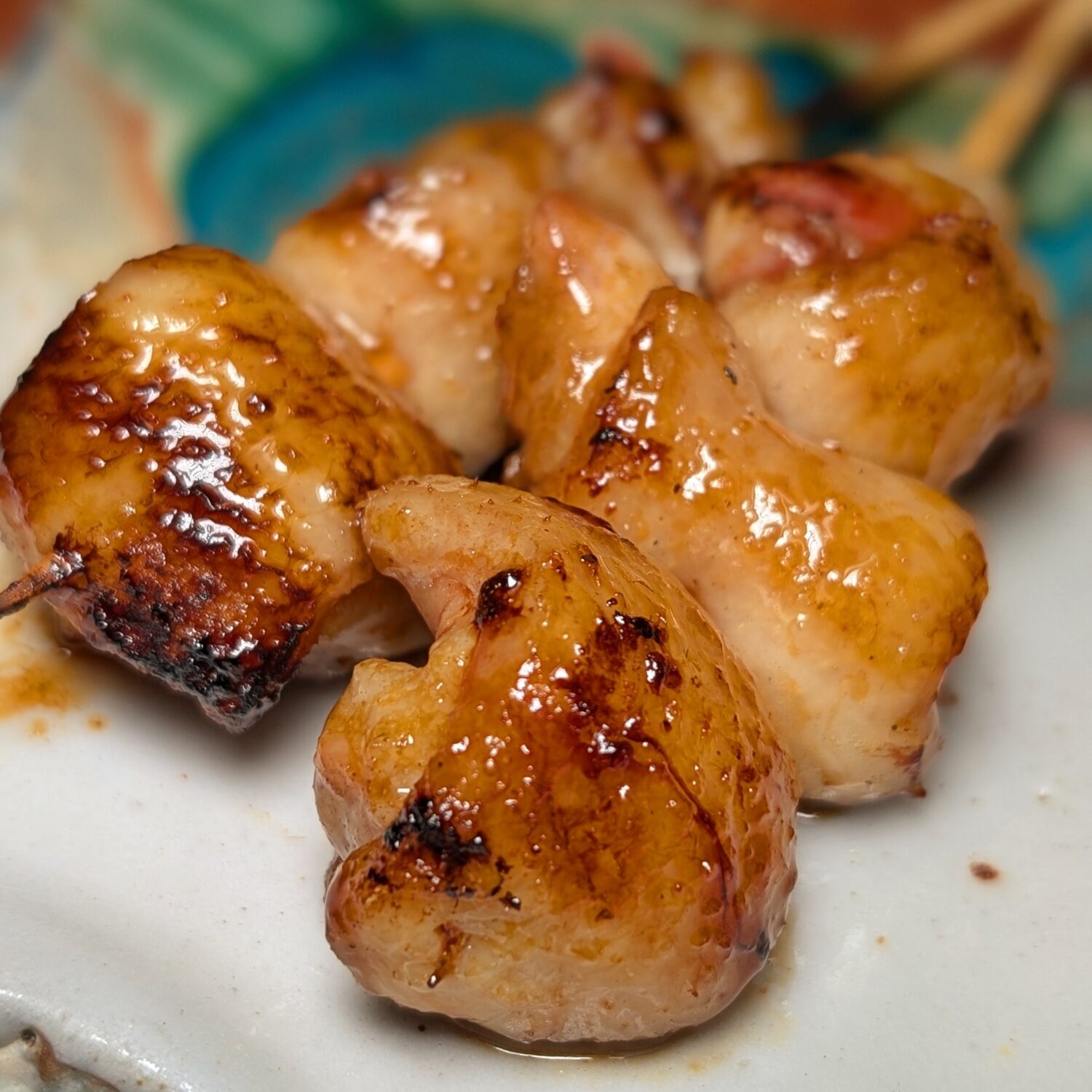
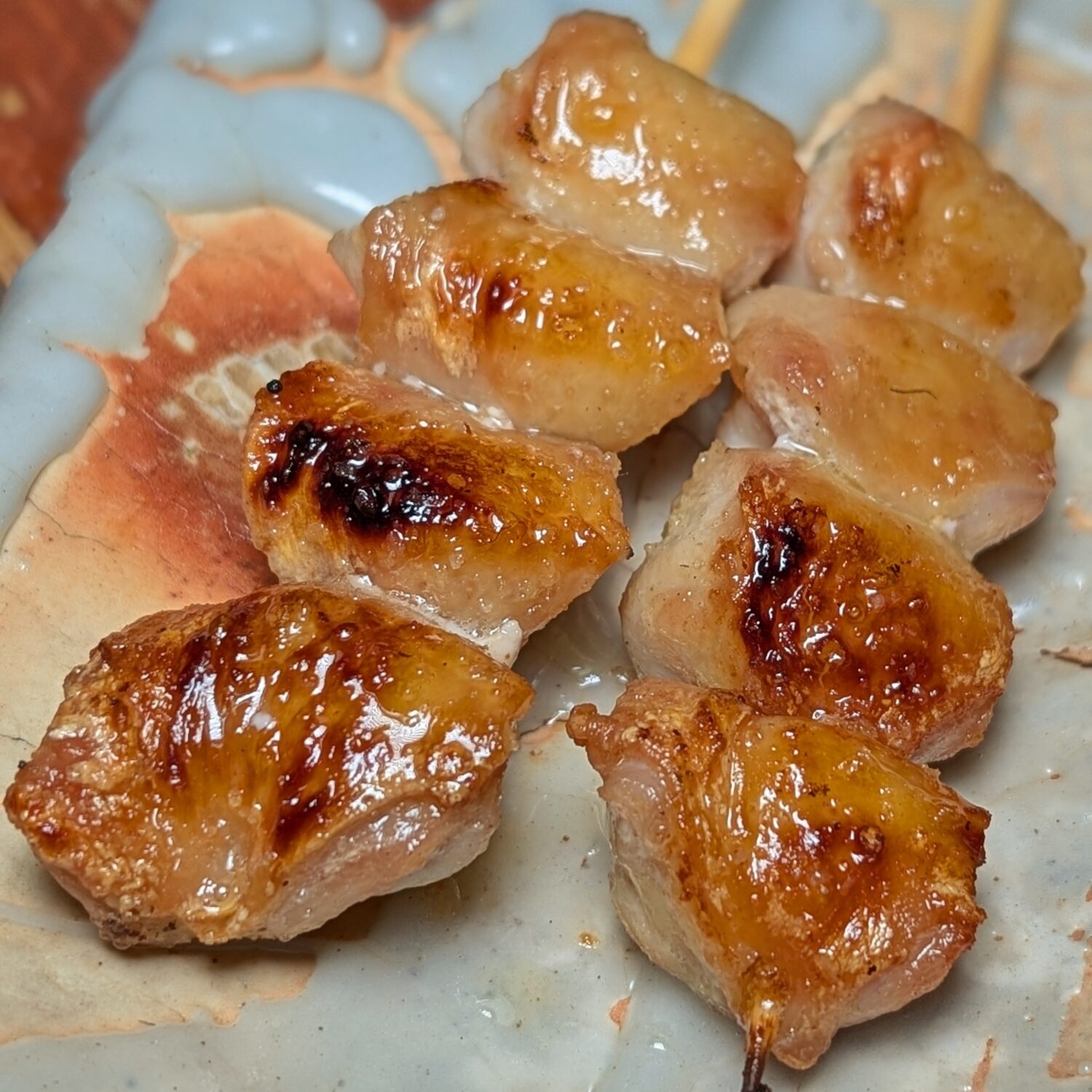
Sumibi Yakitori Kamojin
3-19 Nanbasennichimae
Chuo, Osaka
542-0075, Japan
HASHIMOTO-YA
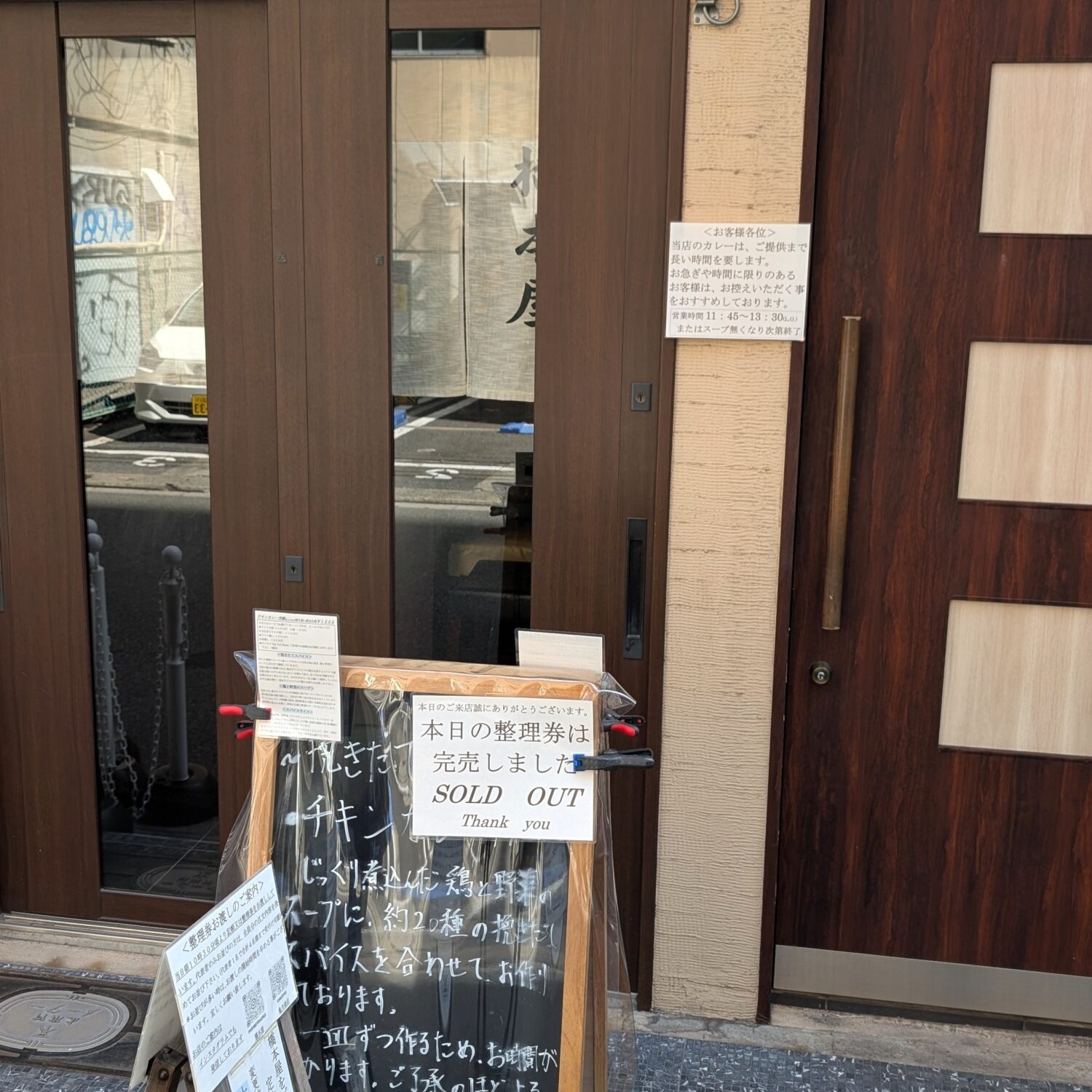
Hashimoto-ya, a legendary curry restaurant located at Nagahori Bridge in Osaka which is only open a few hours each day. The restaurant currently holds the title of Osaka’s top-ranked curry restaurant on Tabelog with an almost 4.00 rating.
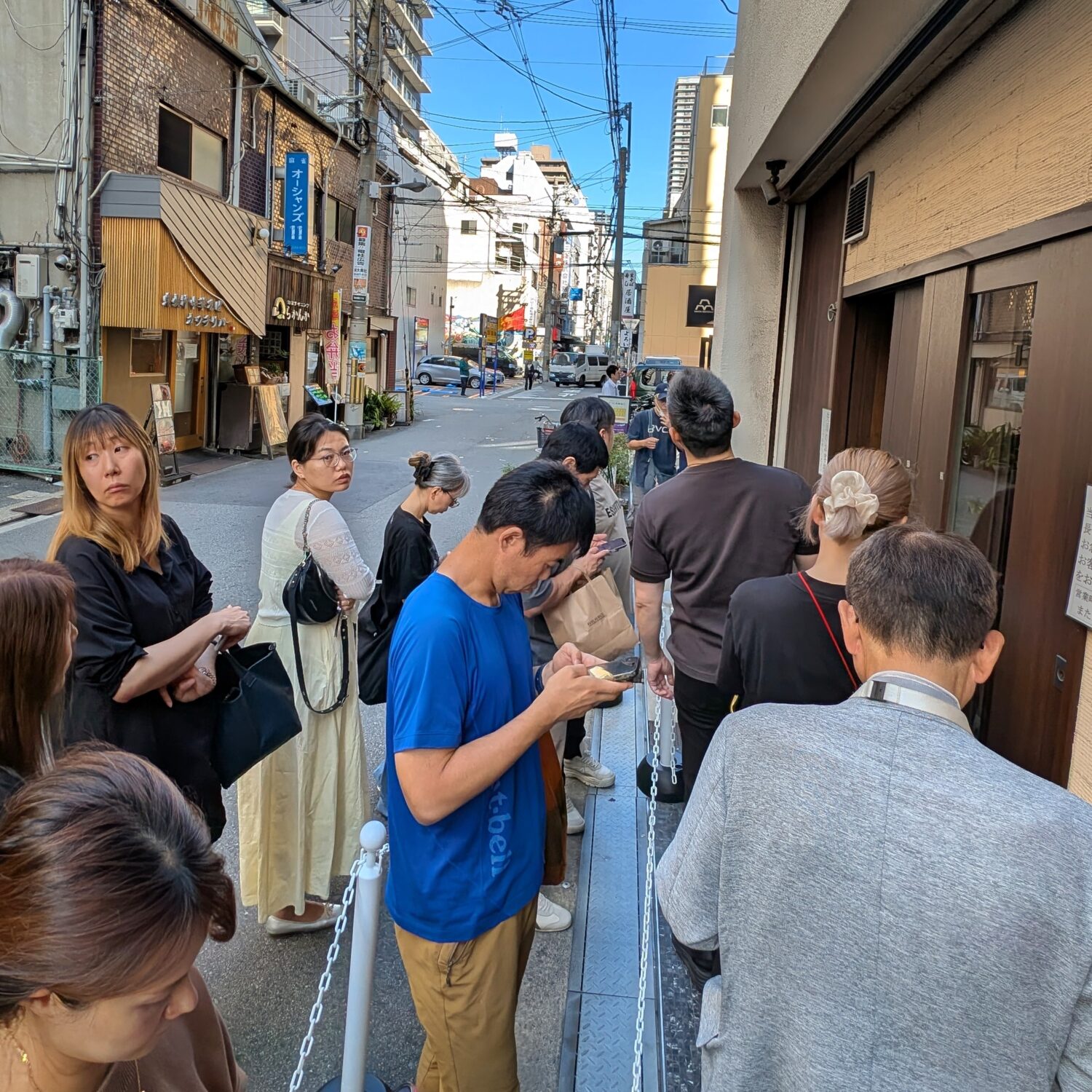
In order to dine at the restaurant, you are required to physically obtain a dining timeslot from the restaurant counter, during which you will place your order (including the indication of spice levels 0-5) and make payment in advance. Doors open for the issuance of dining slots around 10am every day, and you will then return later at the stipulated time for lunch when the restaurant officially launches for service. The queue for slots usually starts at 9am every day, while lunch service commences around 11am. At around 10am, I was issued a table for two for 11.05am.
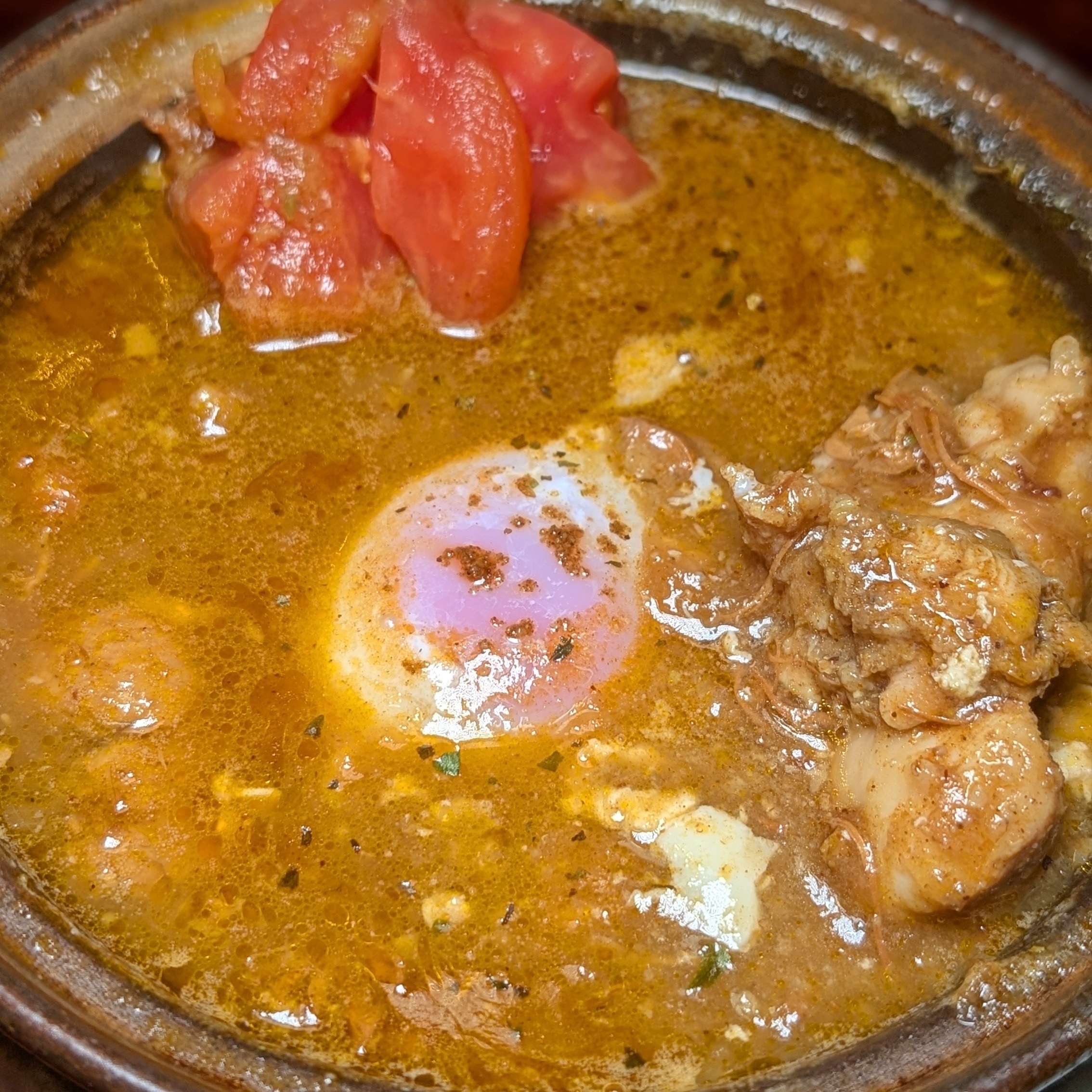
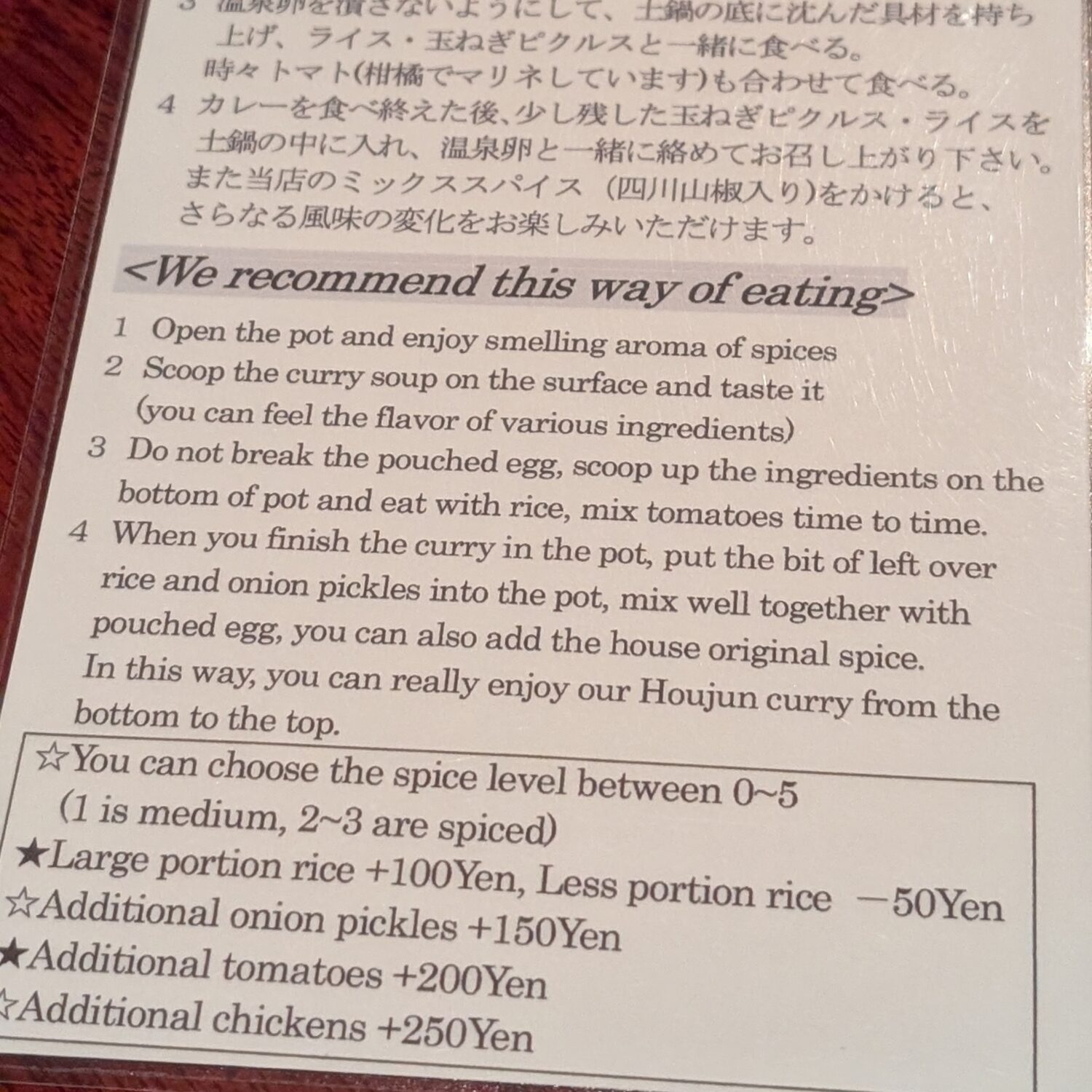
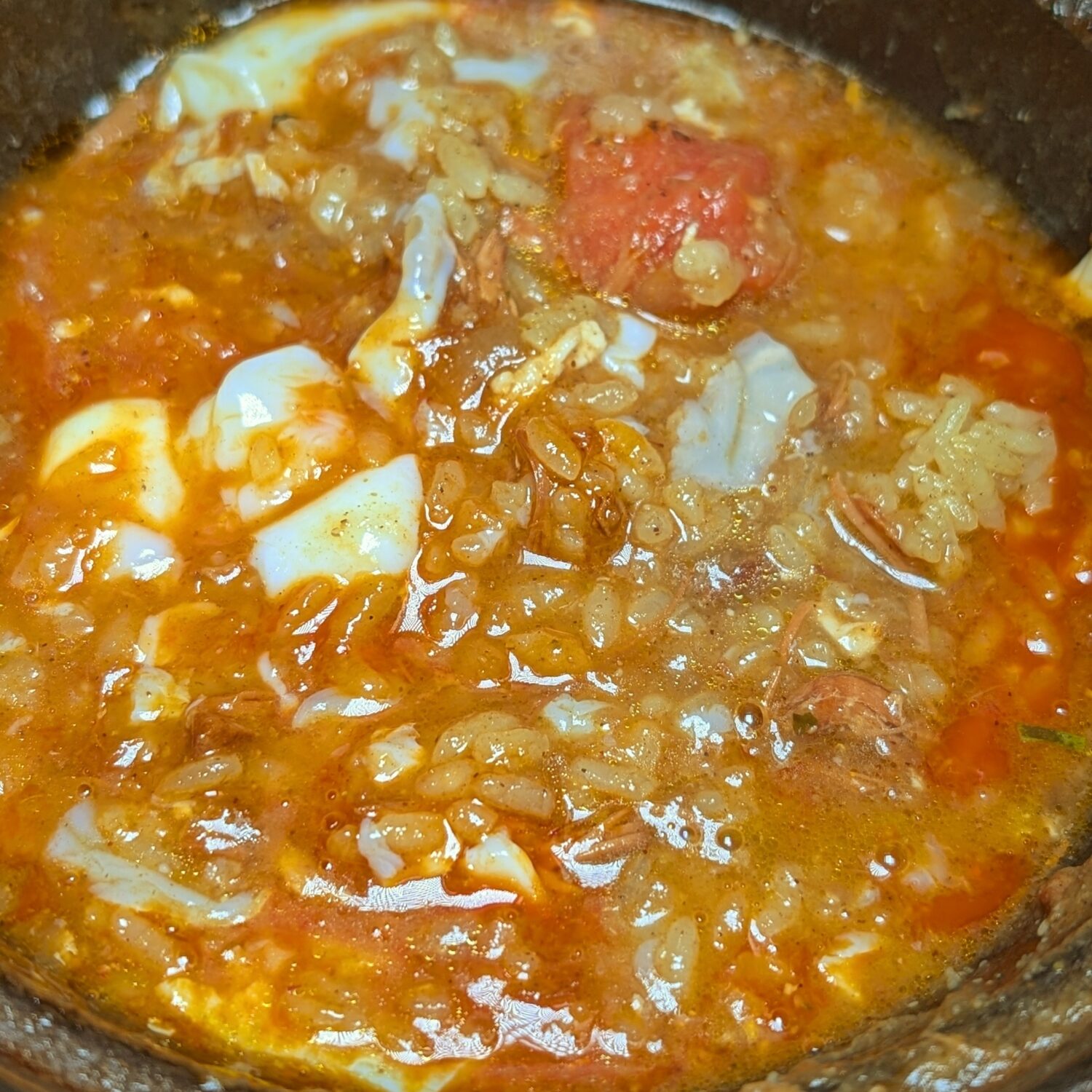
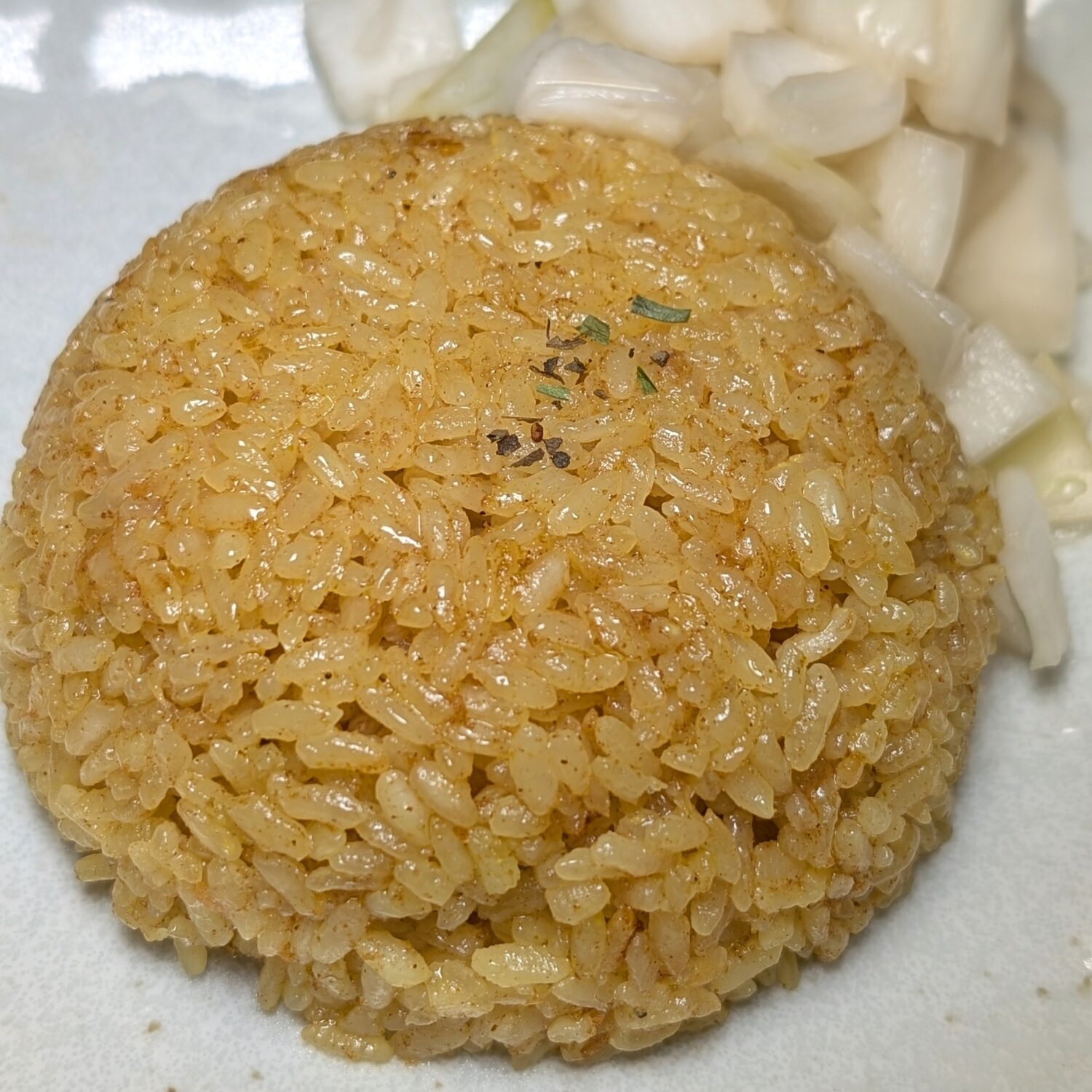
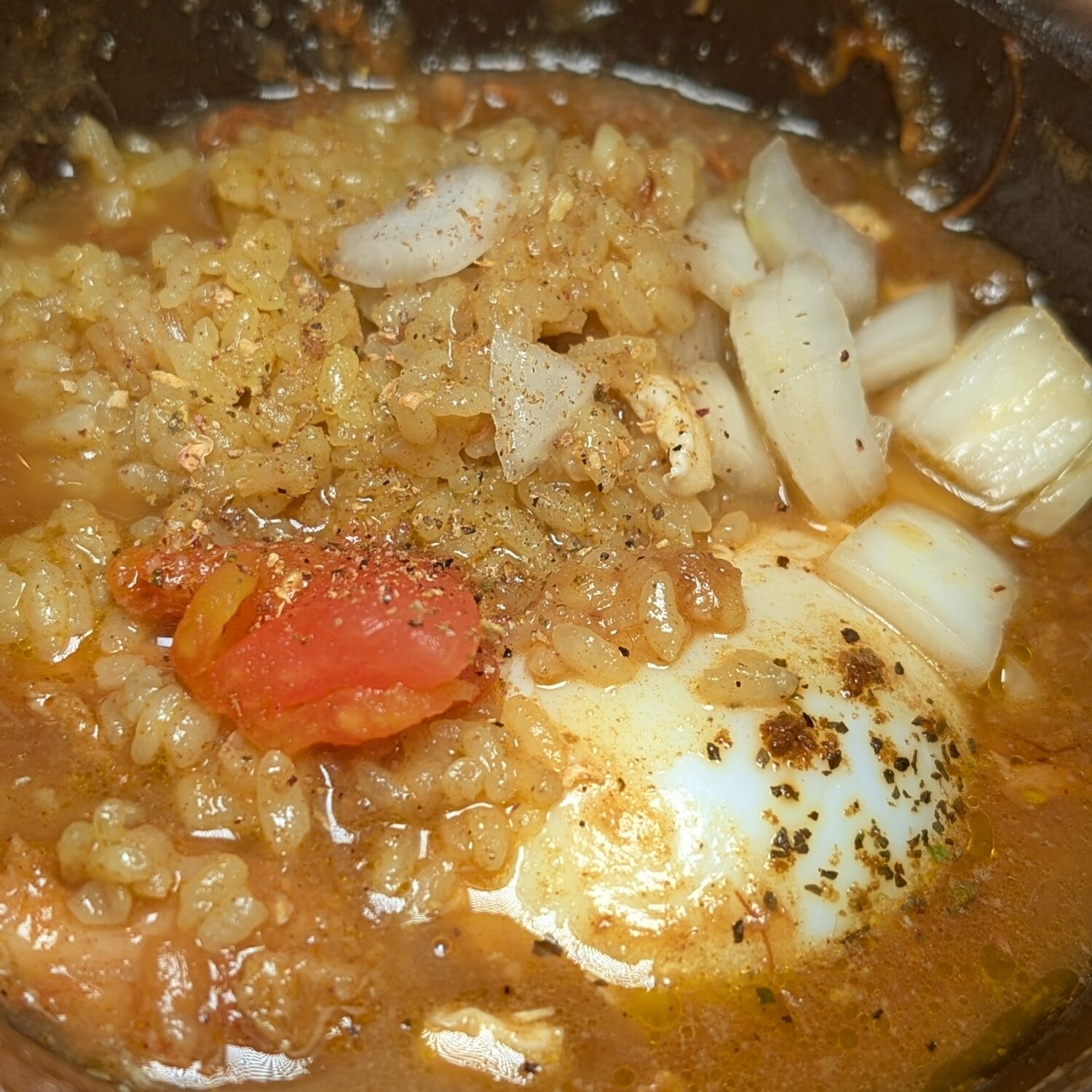
The marquee event (there is only one item available on the menu) arrives in the form of piping hot chicken curry in a claypot, served with rice and accompanied by written instructions (“do not break the pouched egg…when you finish the curry in the pot, put the bit of left over rice and onion pickles into the pot, mix well together with pouched egg…”). The soupy curry was a revelry of different sensations all at once – sour, peppery, sweet, texturally pleasing with chicken and egg chunks in every spoonful and, in my case of level 4 spice, stinging on the tip of your tongue and causing the pores on your scalp to slowly retract open like the top of a Mazda MX-5 Miata.
After you are done with most of the curry, you mix your rice in and break the egg, whose yolk then operates in tandem with the momotaro-esque tomatoes to inject a refreshing sweetness to the spice-laden proceedings.
Hashimotoya
2-21ー101 Minamisenba 2
Chuo, Osaka
542-0081, Japan
MUGI TO MENSUKE
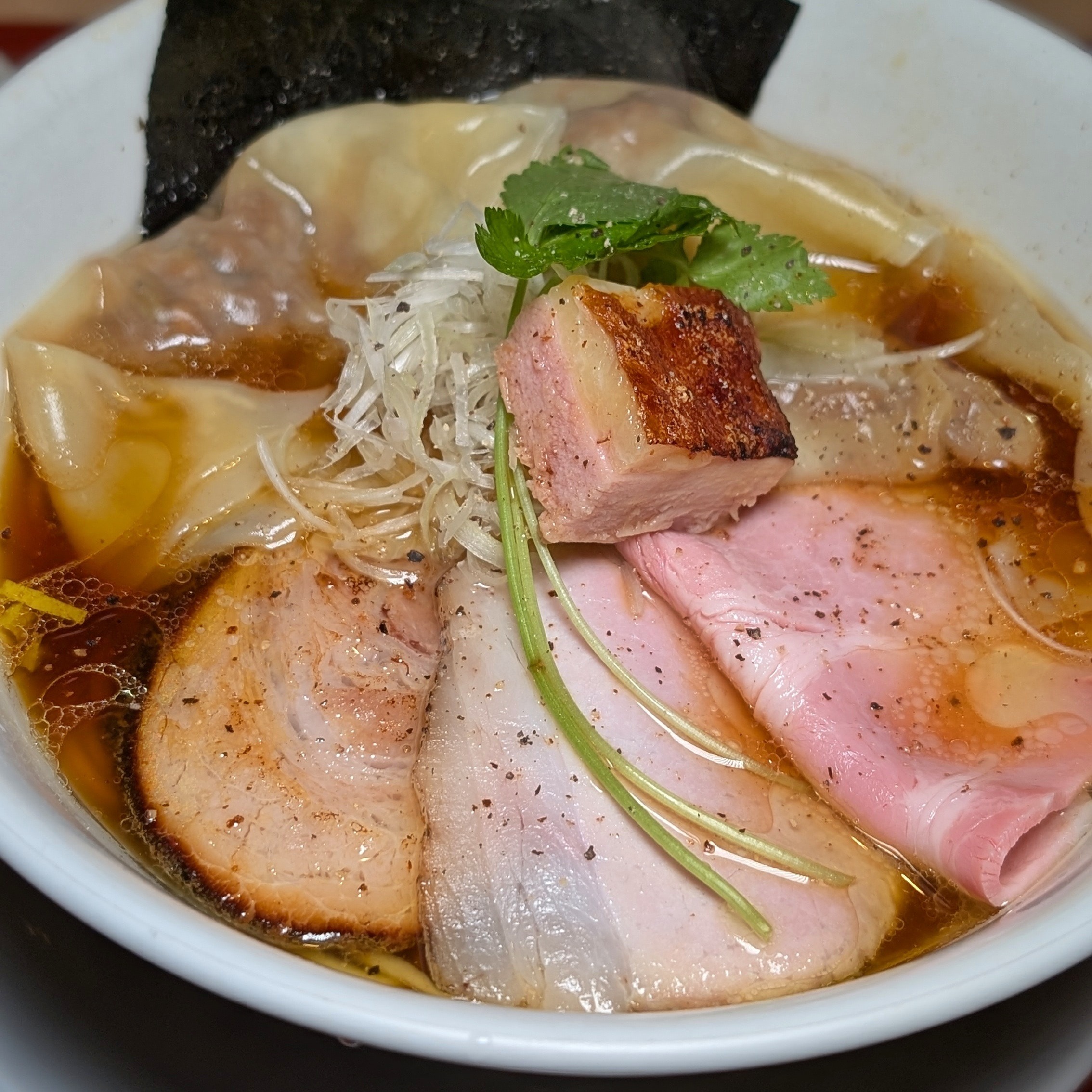
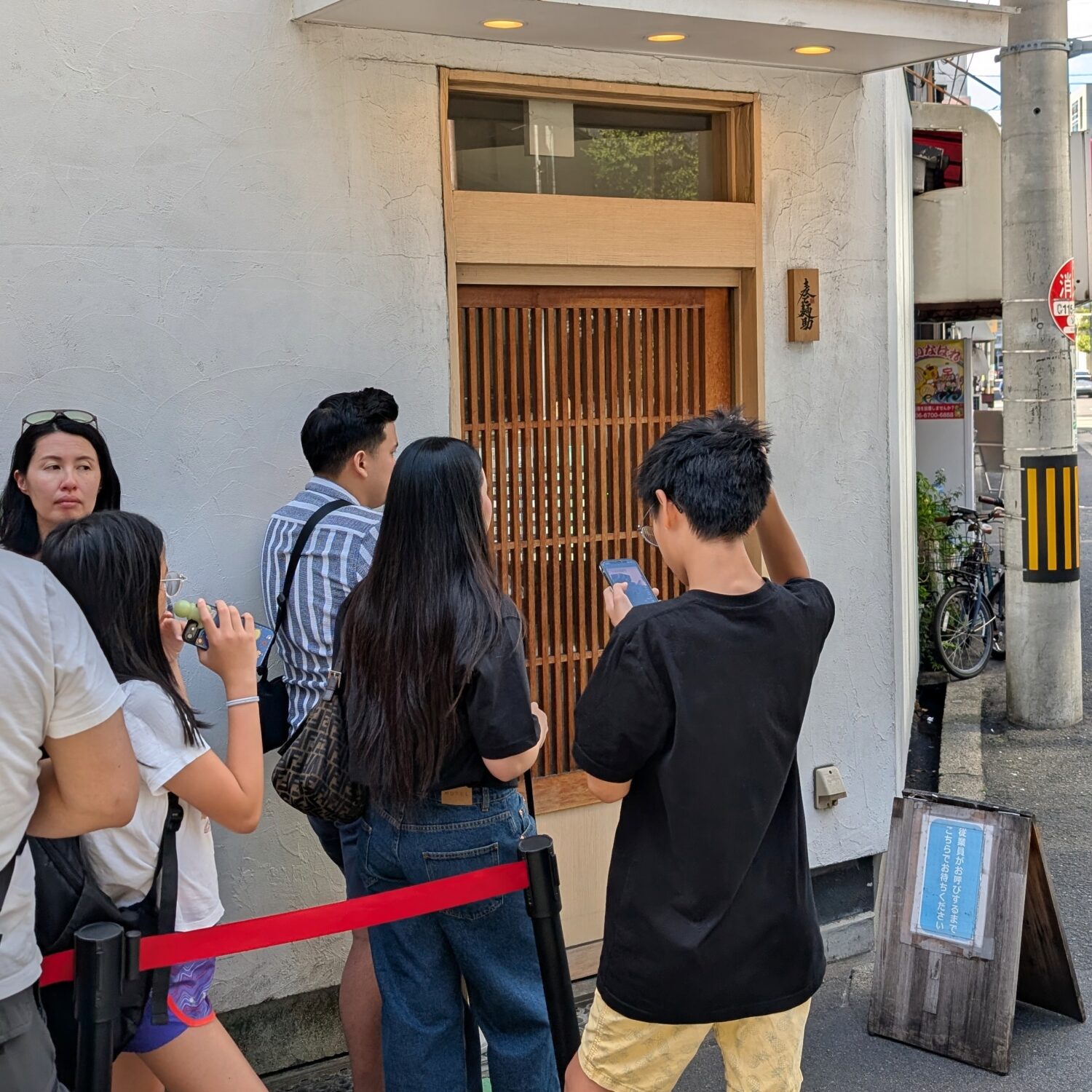
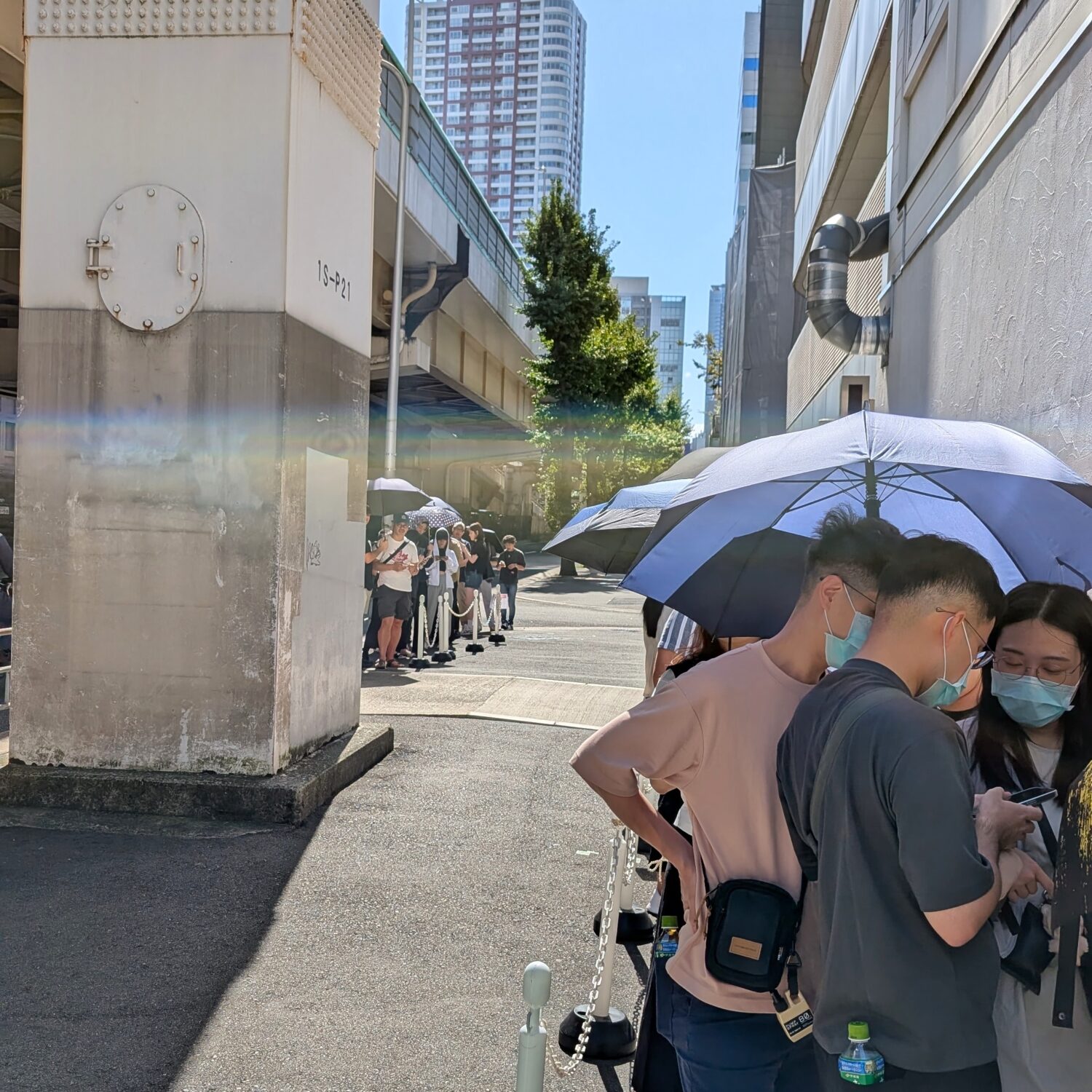
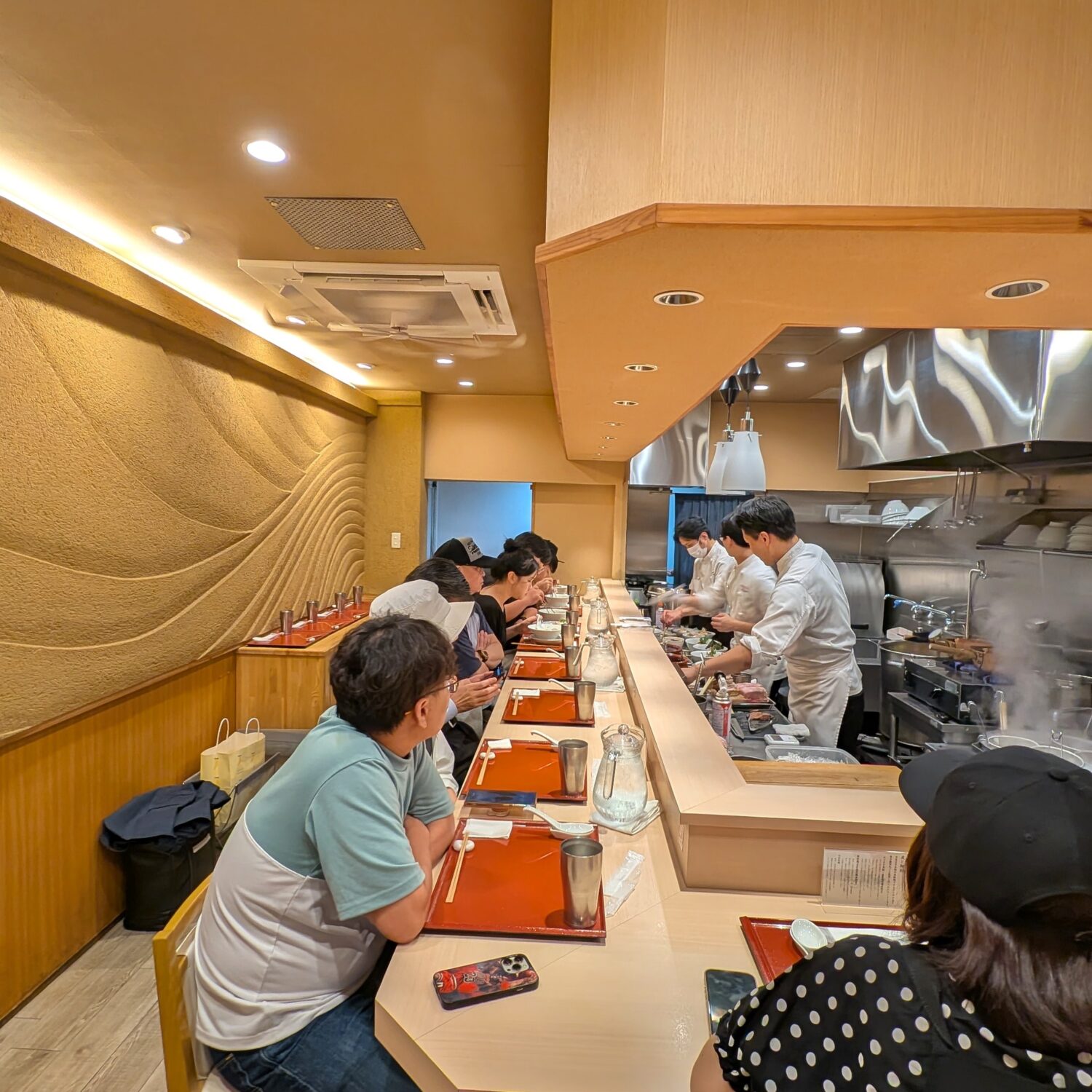
Mugi To Mensuke, the 12-seater Bib Gourmand-awarded ramen restaurant located in Osaka’s Nakatsu area. The queues here are legendary, but the astonishing level of service (despite their flowers) is commendable – a staff member came out to offer umbrellas for those queuing under the harsh sunlight, and a queuing patron who displayed signs of being unwell was quickly escorted indoors and offered assistance and a cool beverage. I queued for about 30 minutes and managed to make it into the second wave of seating.
The shoyu-style ramen here comprises chicken and guinea fowl broth, handcrafted noodles, cha shu prepared in 3 different styles as well as wontons stuffed with Kobe wagyu beef. The yuzu-tinged broth was clean, rich and herbal, like Brand’s Essence of Chicken meets savoury soy sauce and chicken fat, and experiencing the different meat textures and flavours – clean, torched, smoked, juicy – was a conveyor belt of pleasure. Tonkotsu ramen usually delivers punchier flavours, but this superb shoyu ramen defies expectations and manages to rival its pork bone brethren in terms of savoury exuberance. An absolute triumph.
To justify the queuing time, we also had the popular Grilled Pork Rice Bowl, so mountained with smoky, tender goodness that you can’t even see the rice.


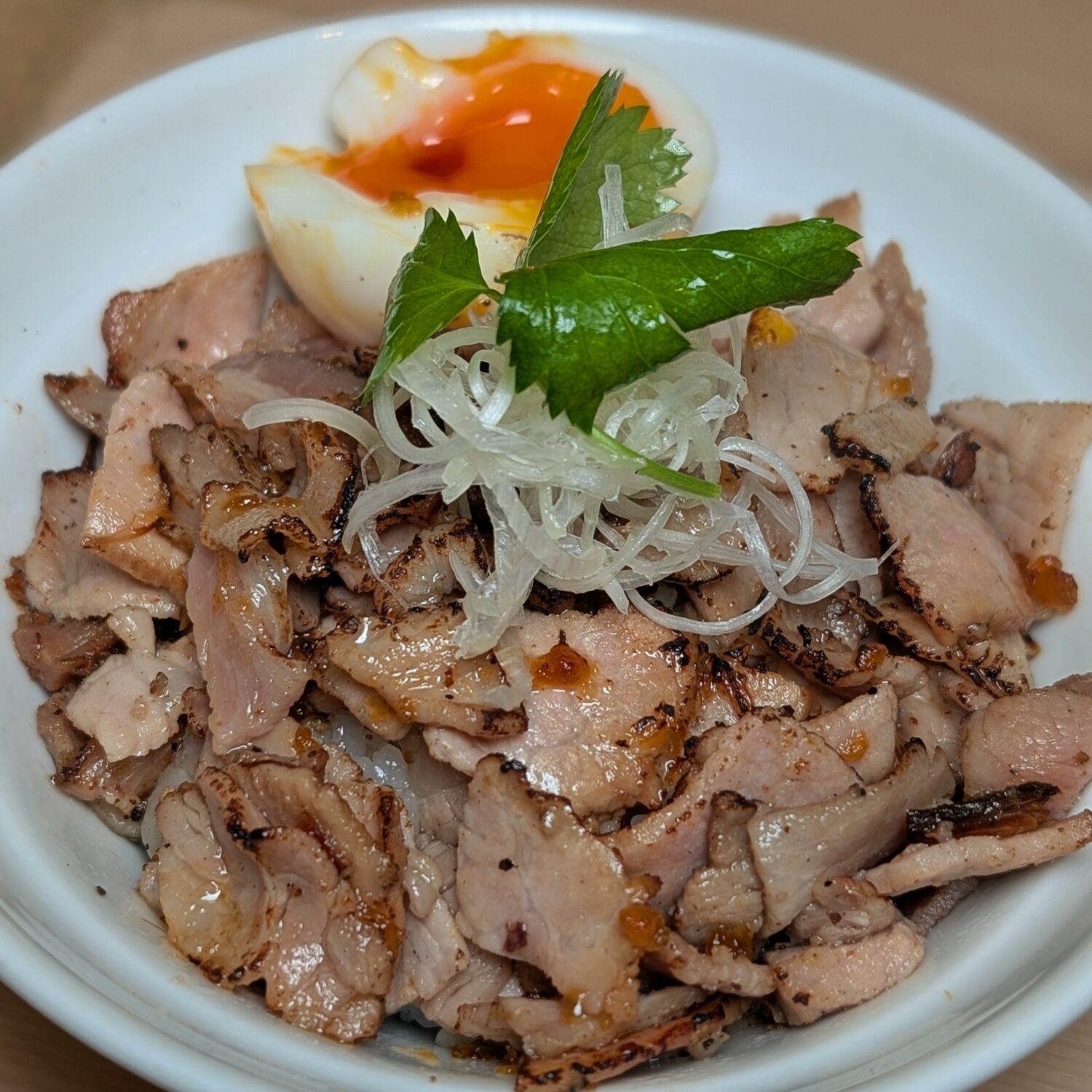
Mugi To Mensuke
Toyosaki 3 Chome-4-12
Kita, Osaka
531-0072, Japan
CHAMPAGNE & GYOZA BAR
Champagne & Gyoza Bar, the restaurant in Akasaka which pairs the eponymous delicacies in one unique casual dining experience. The gyoza offerings span across more traditional types (eg. Original, Mushroom & Ginger) to interesting varieties such as Vegan Curry, Squid Ink, Spicy Sriracha, Osaka Okonomi-Yaki and Browned Butter, and you have the rare opportunity to enjoy various champagnes by the glass at affordable prices (or a bottle, if you’re feeling it).
The bar offers two special pours of the day (Charles Heidsieck and Legras & Haas during my visit) as well as Nicolas Feuillatte Réserve Exclusive Brut, Pommery Brut Royal and Charles de Cazanove Rose Brut on regular rotation, with prices ranging between ¥1,200-2,400 per glass.
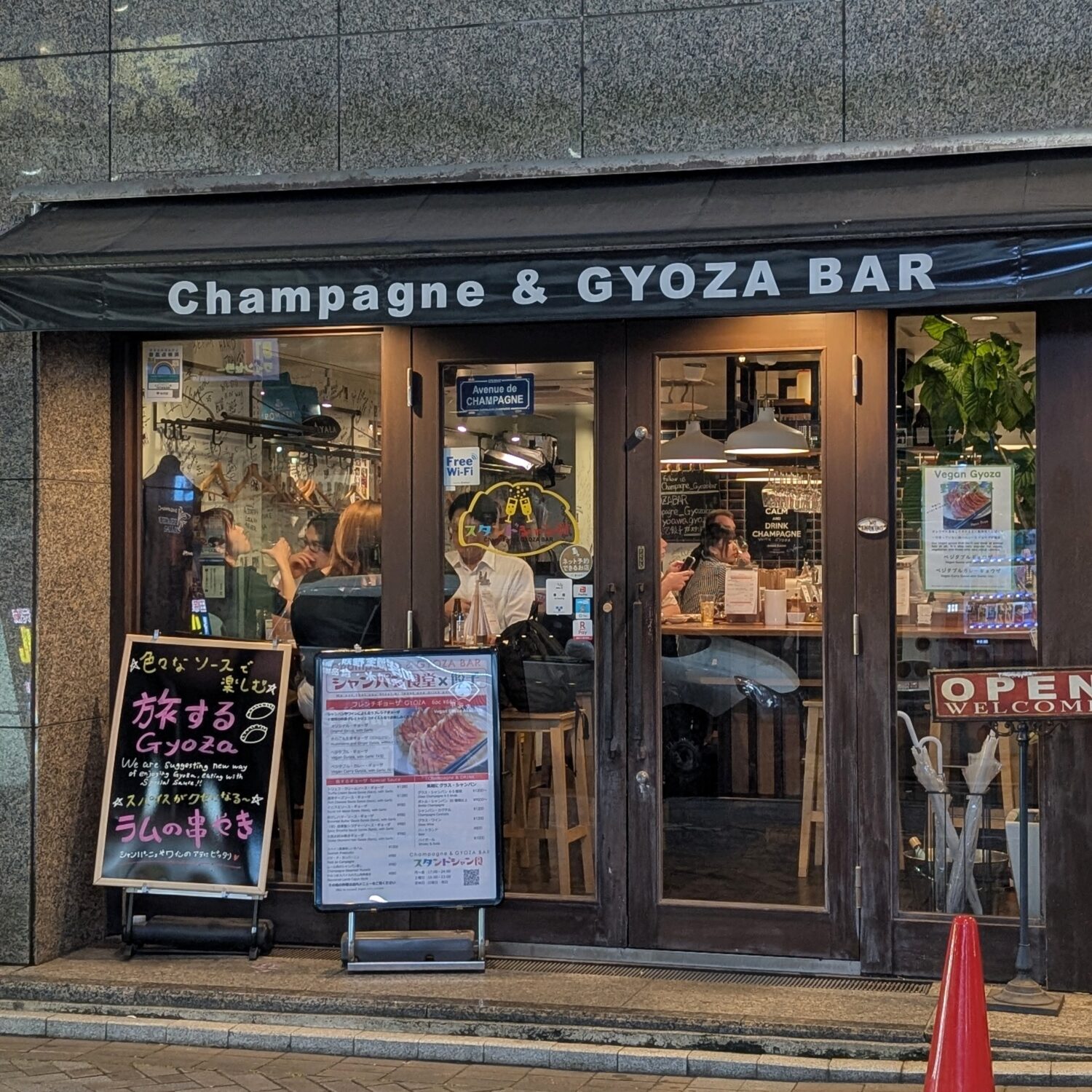
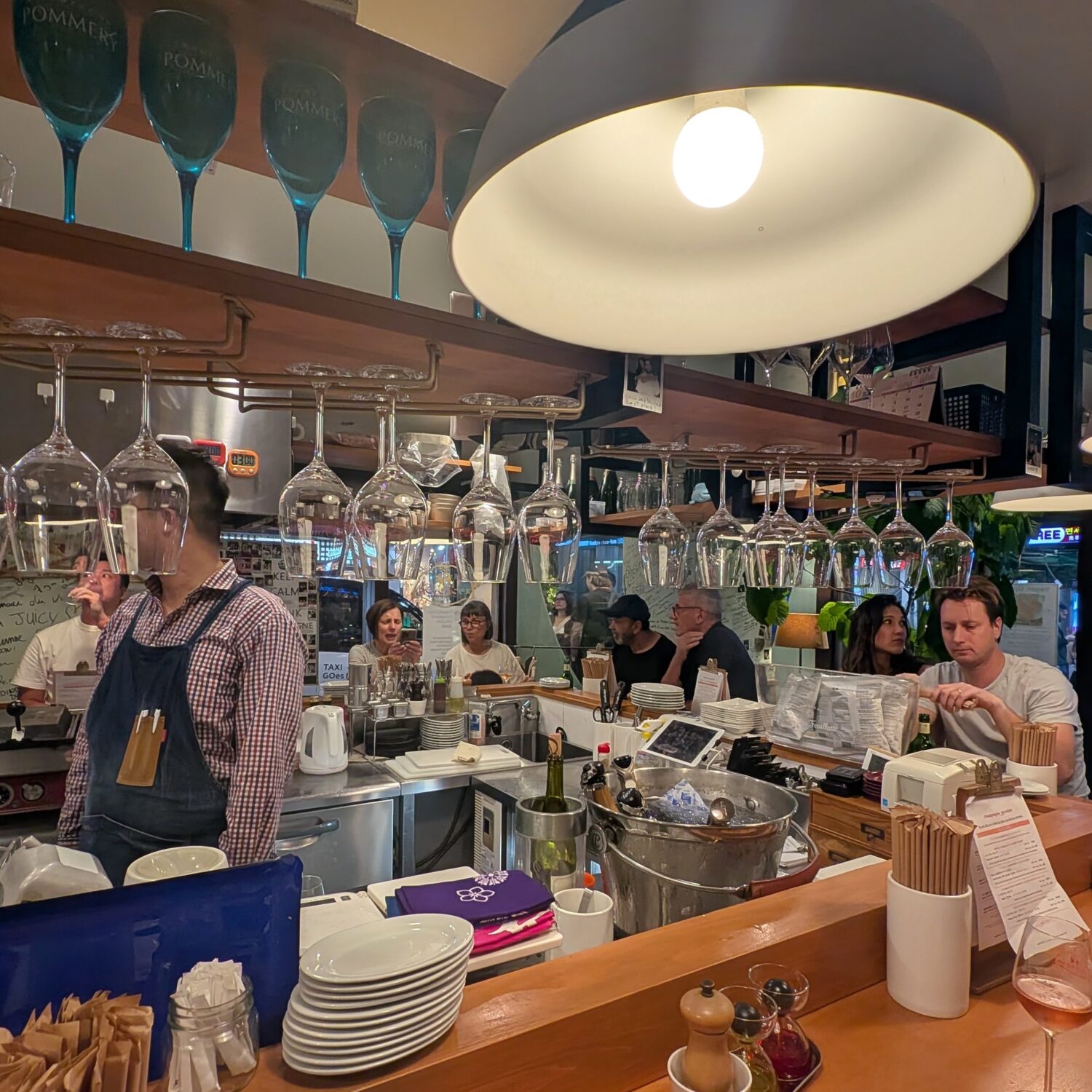
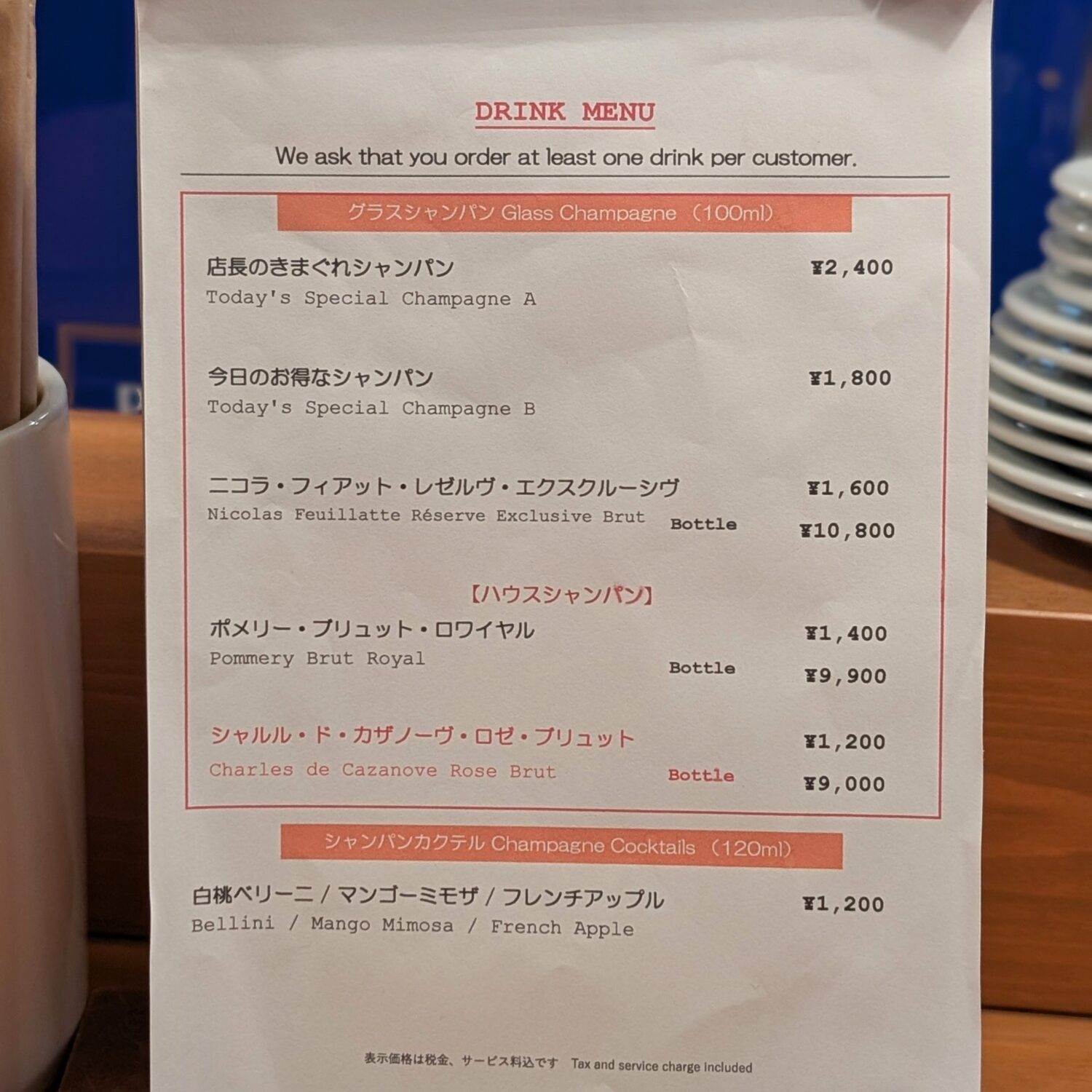
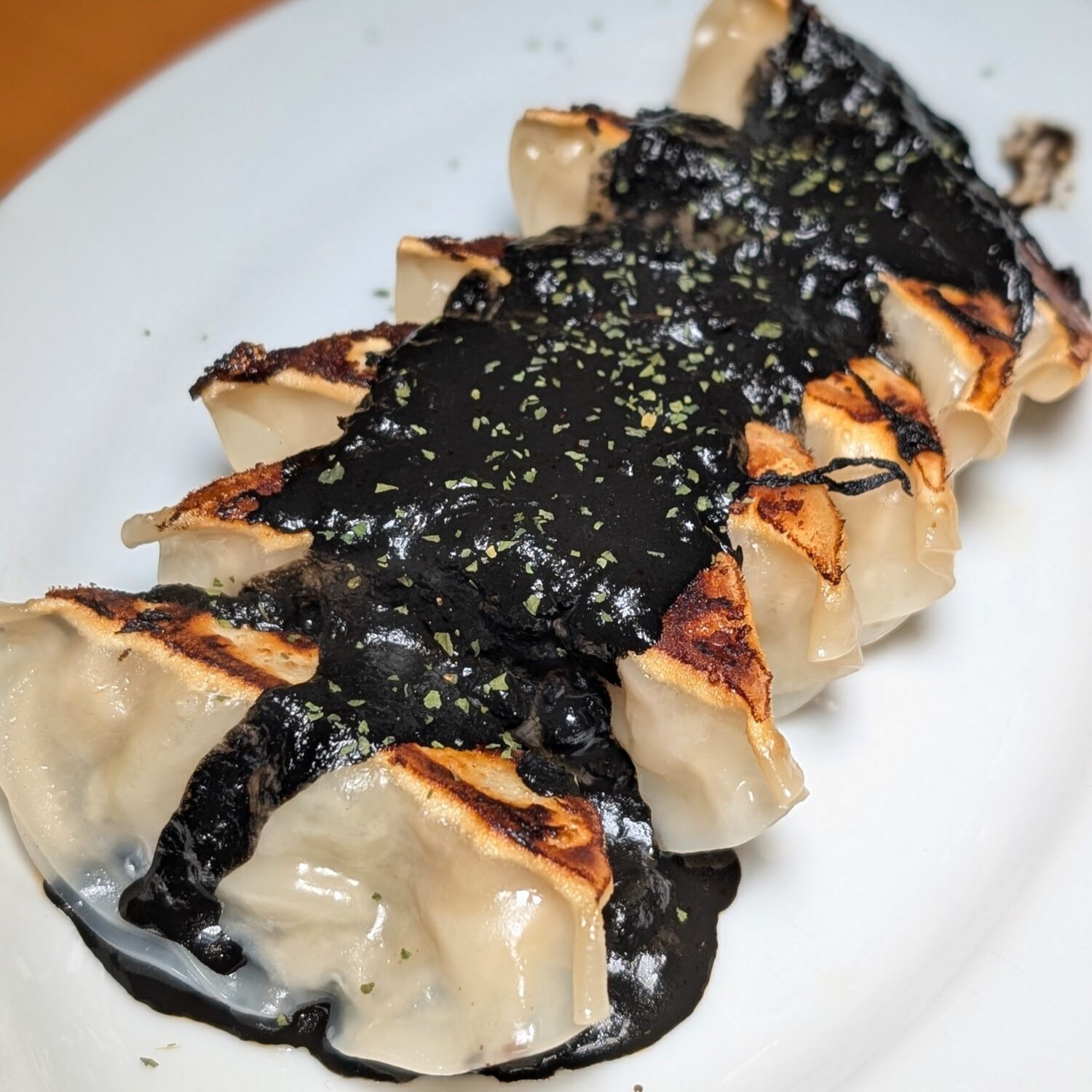
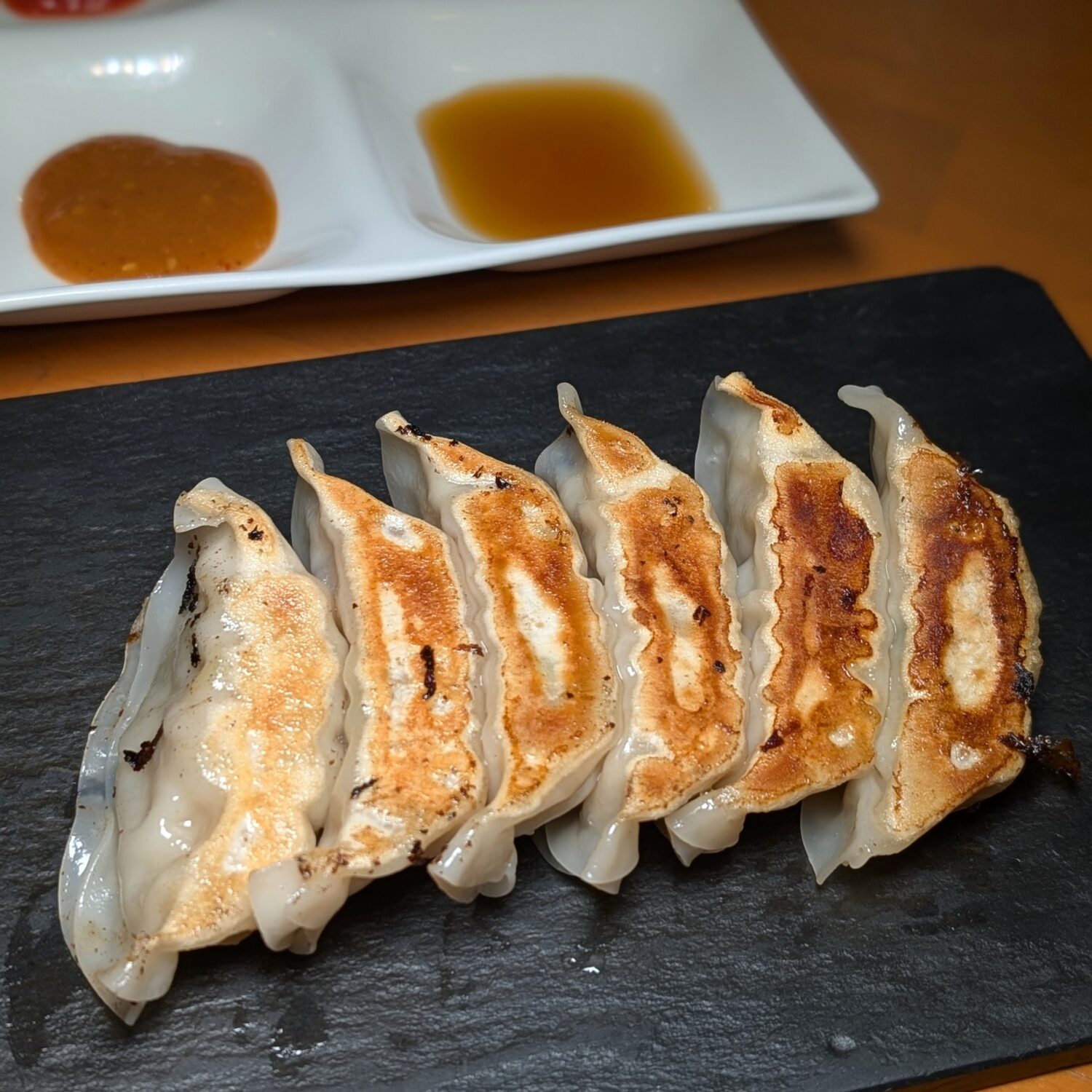
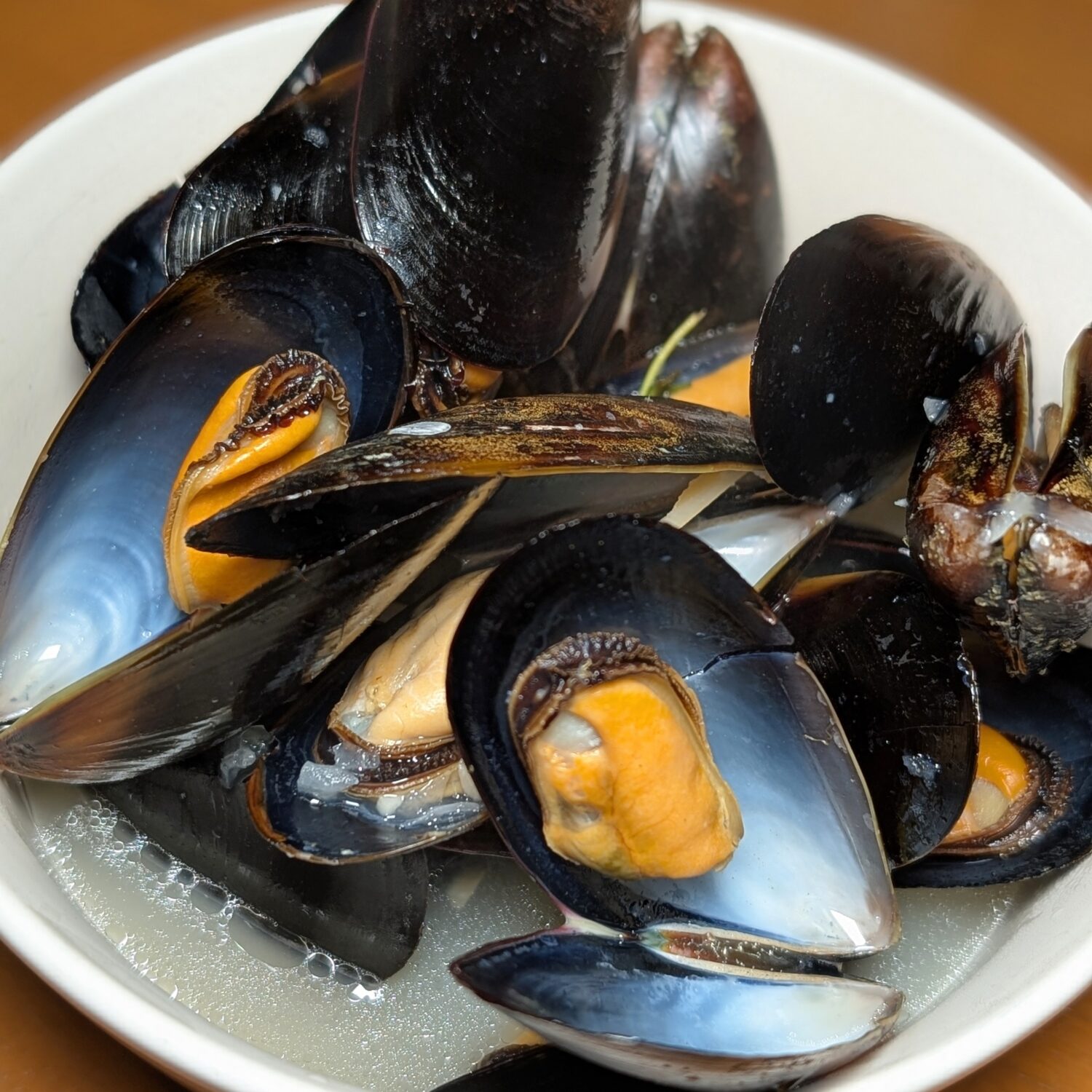

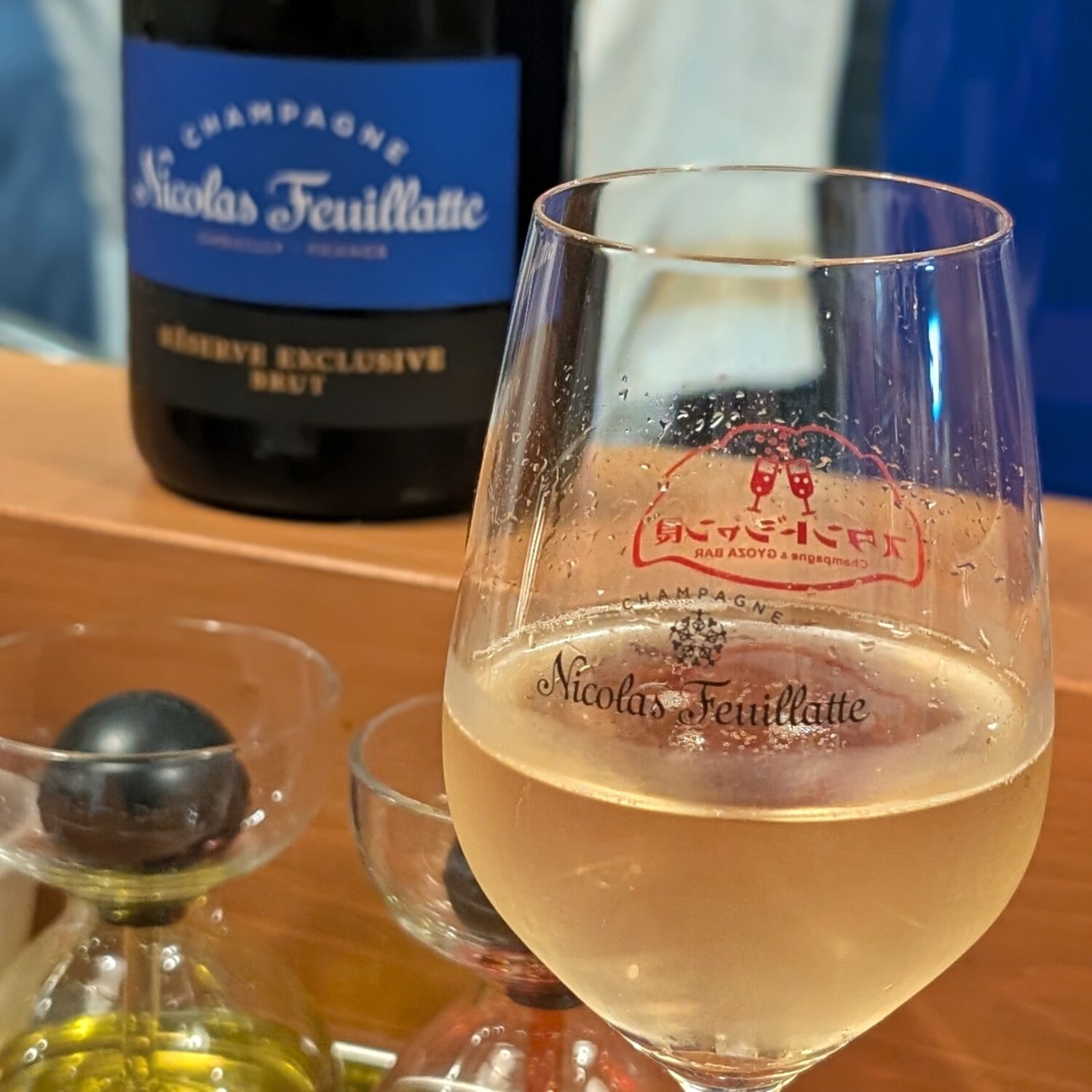

Champagne & Gyoza Bar
Akasaka, 3 Chome−14−1
Centurion Hotel Residential Akasaka IV 1F
Minato, Tokyo
107-0052, Japan
TORIKAMI
I was first introduced to Torikami when I visited it Singapore back in March 2025, and I had written previously that the meal was one of the best yakitori meals I have ever had. However, Torikami Singapore shuttered abruptly months ago (the closure is temporary, according to the team’s messaging), and I found myself making a booking for the Tokyo outlet to see if lightning does strike twice.
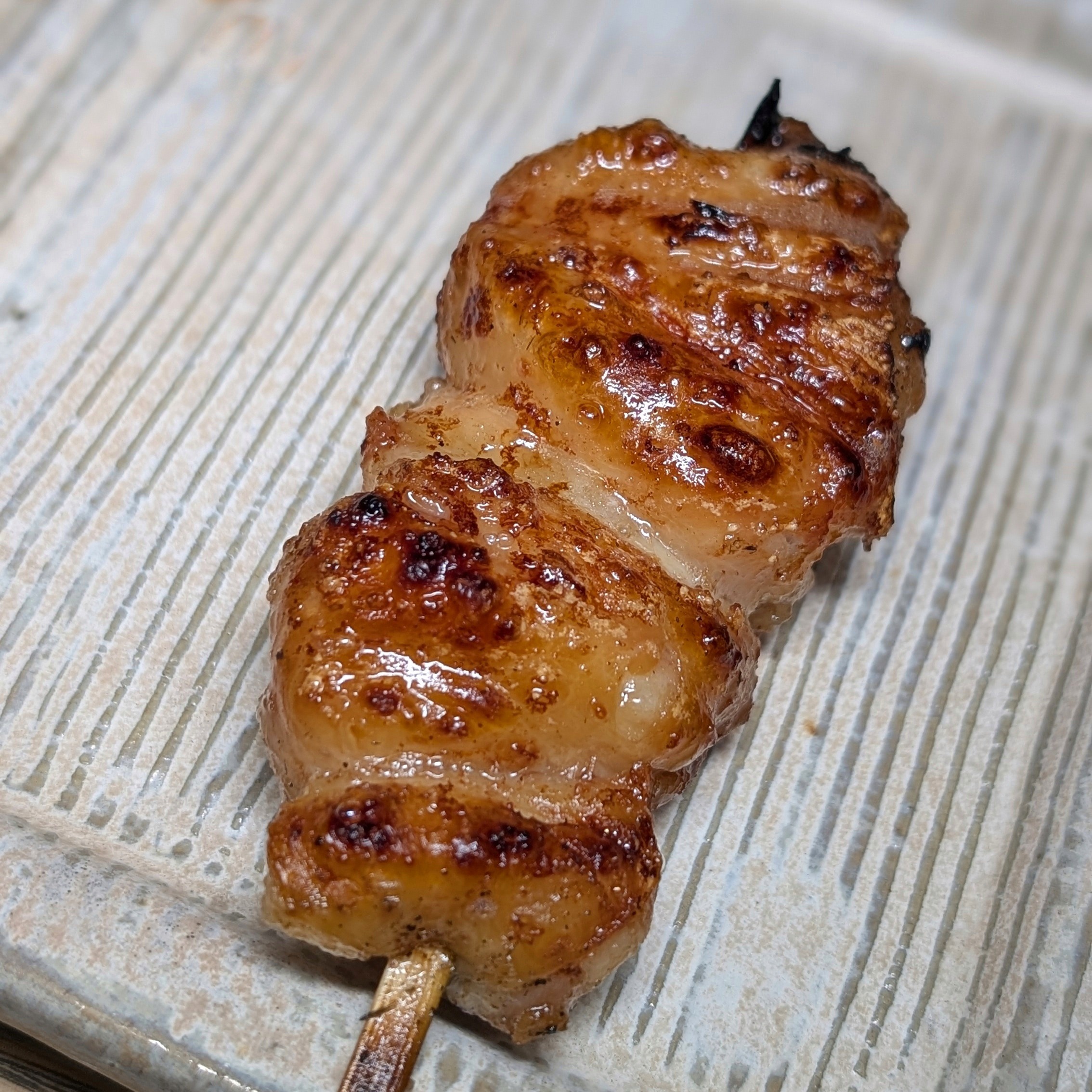
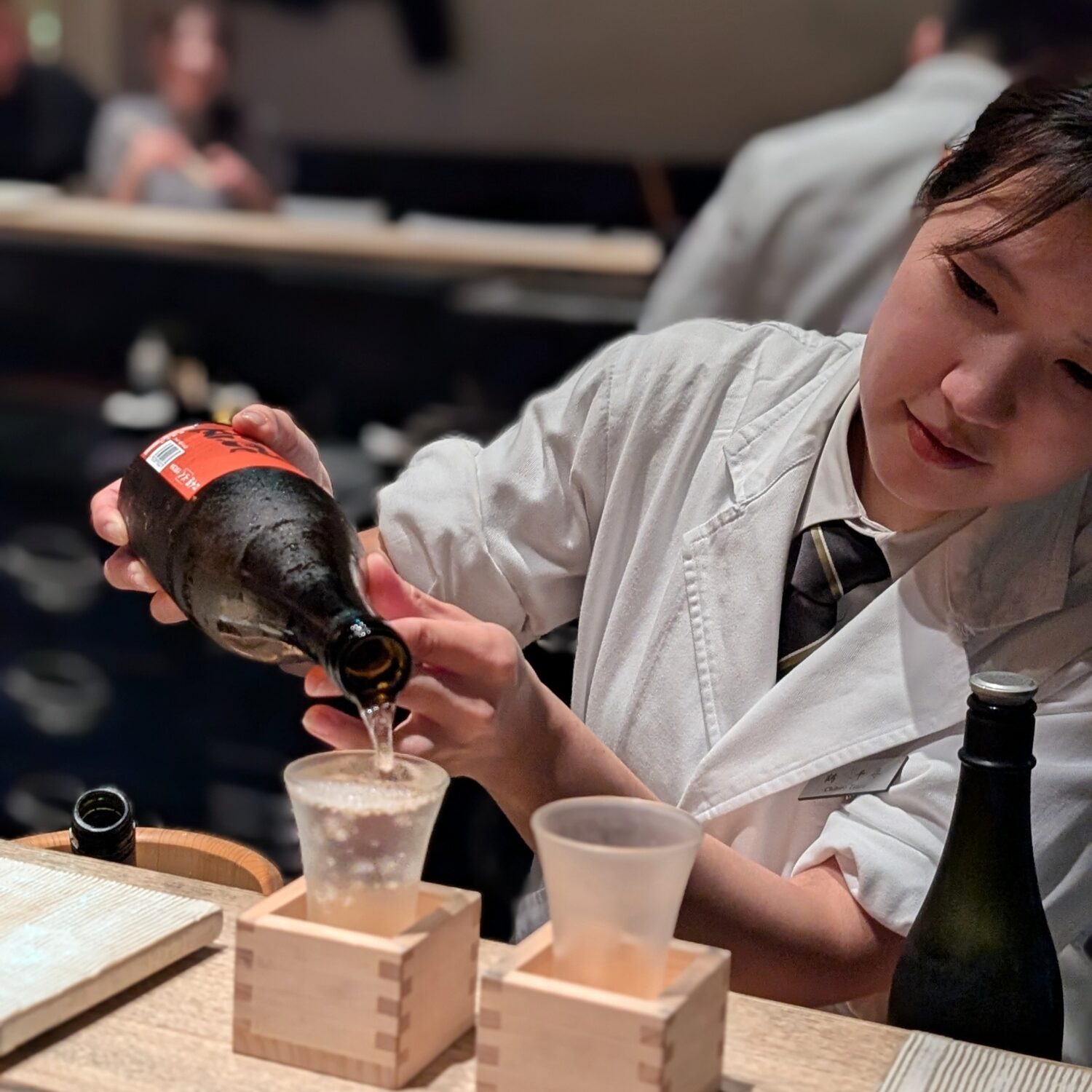
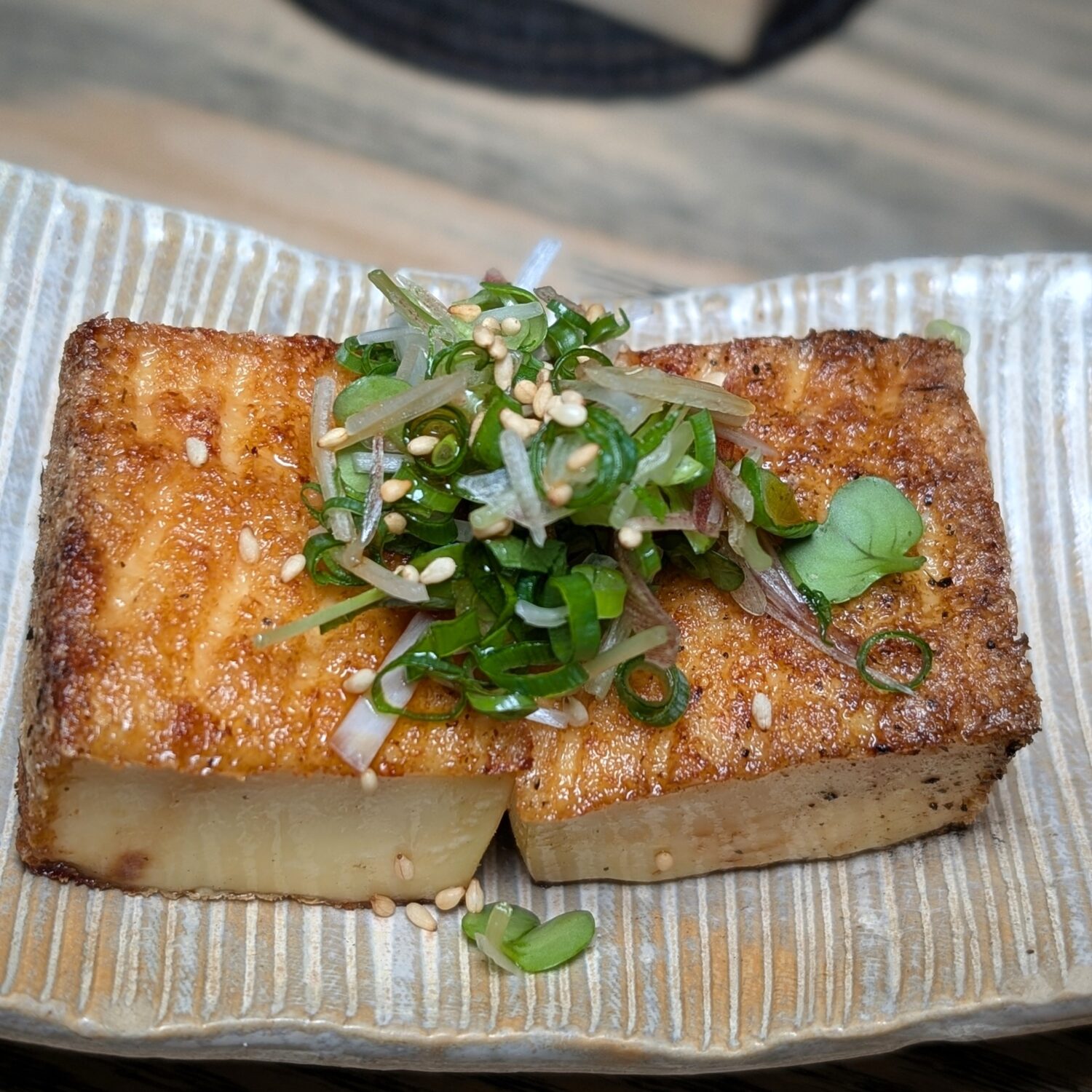
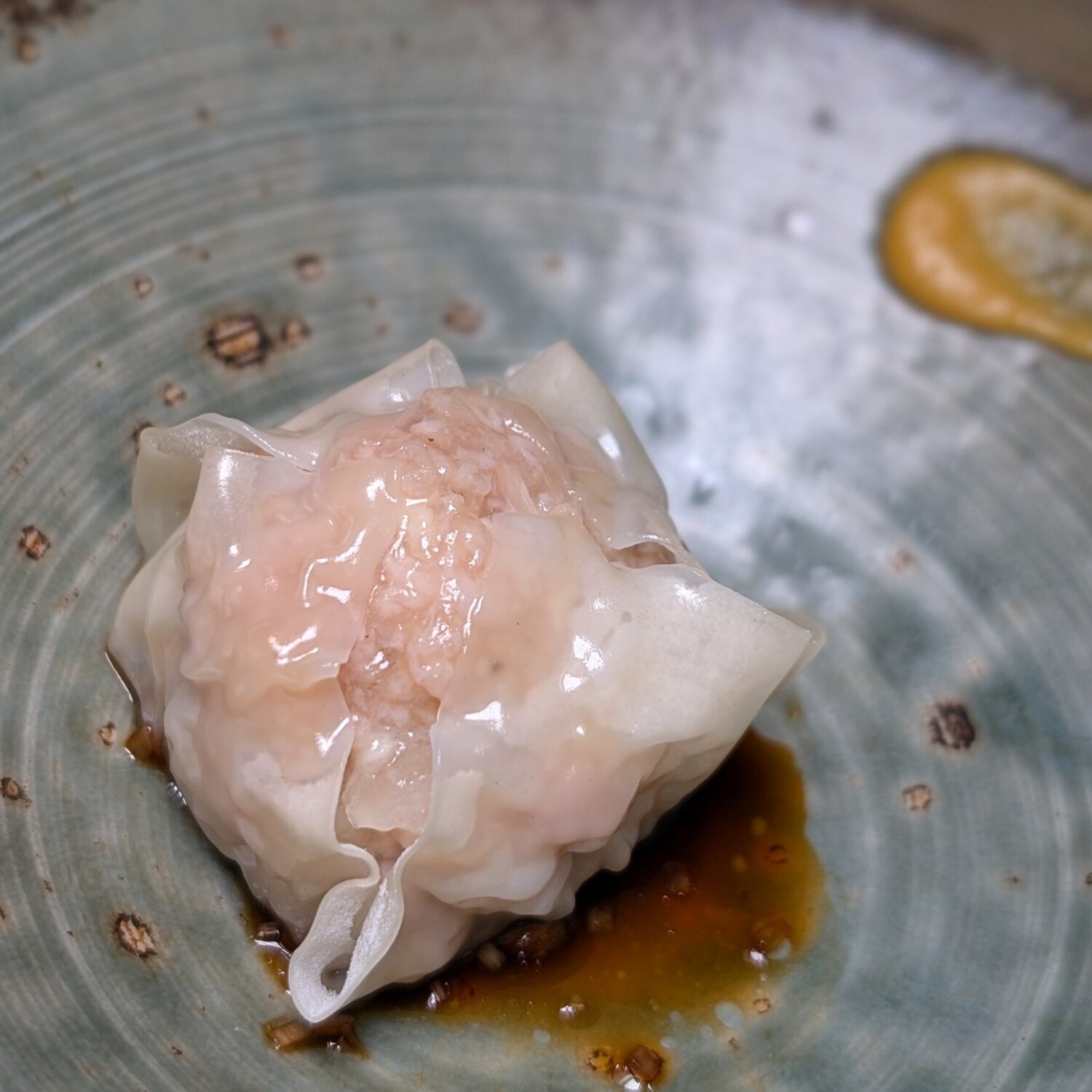
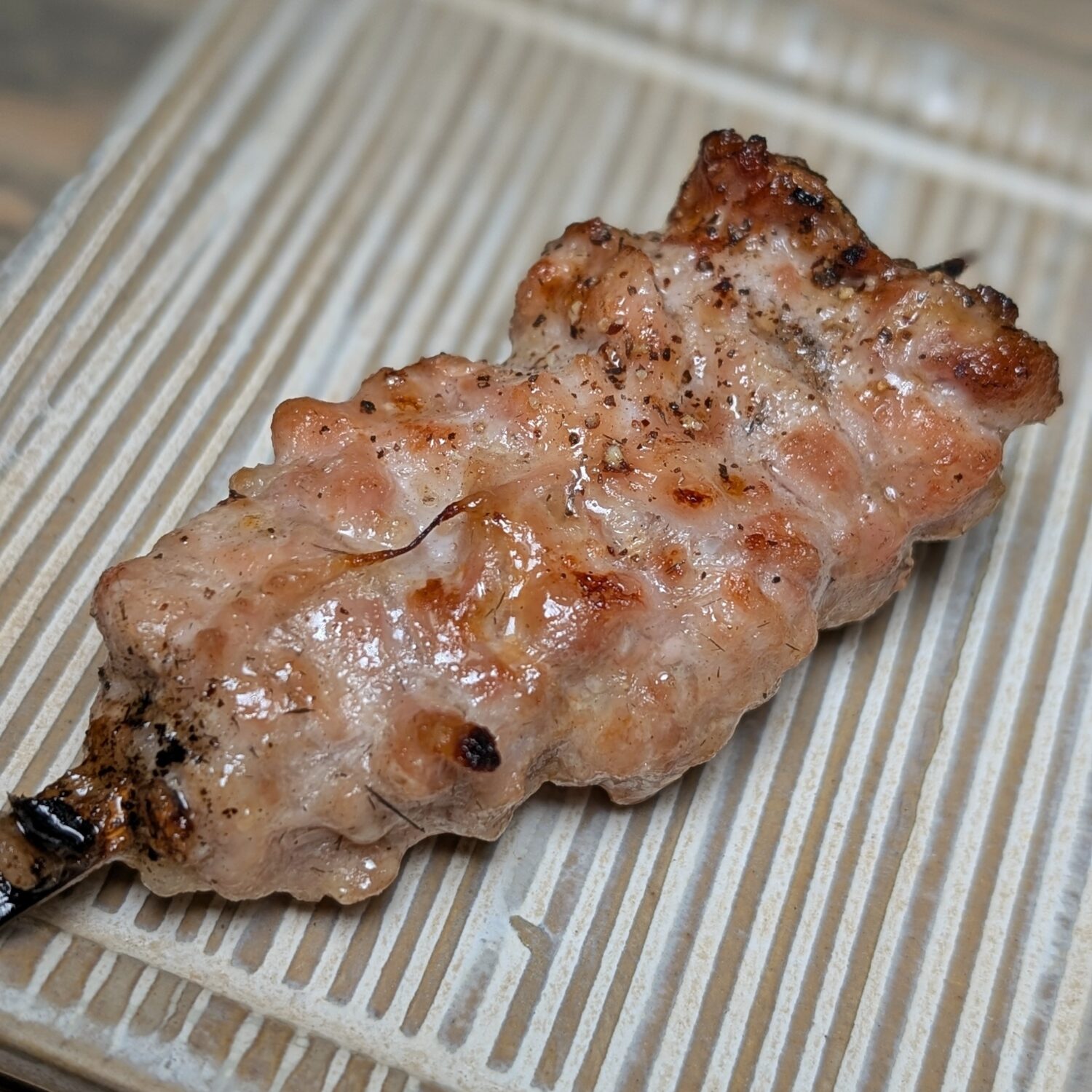
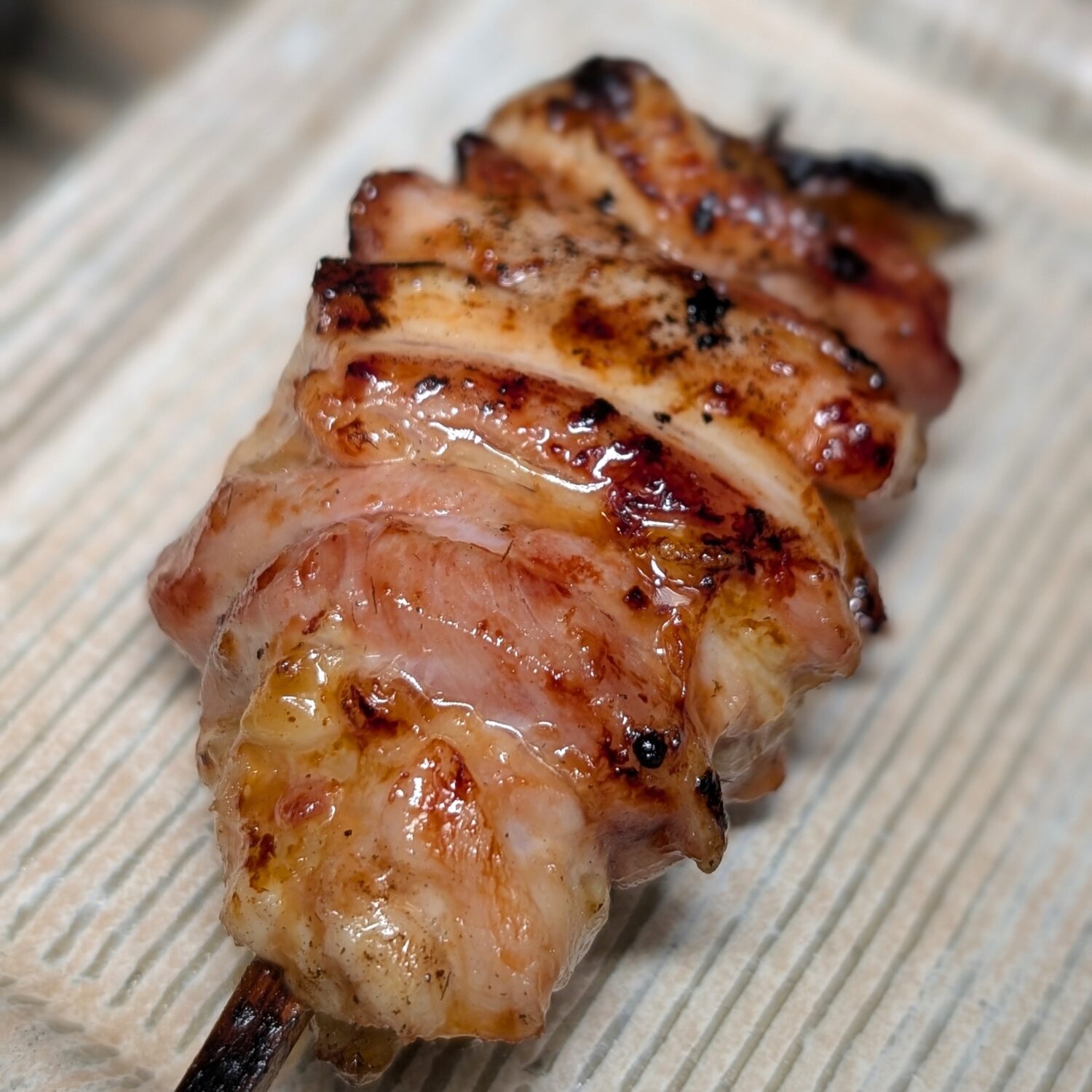
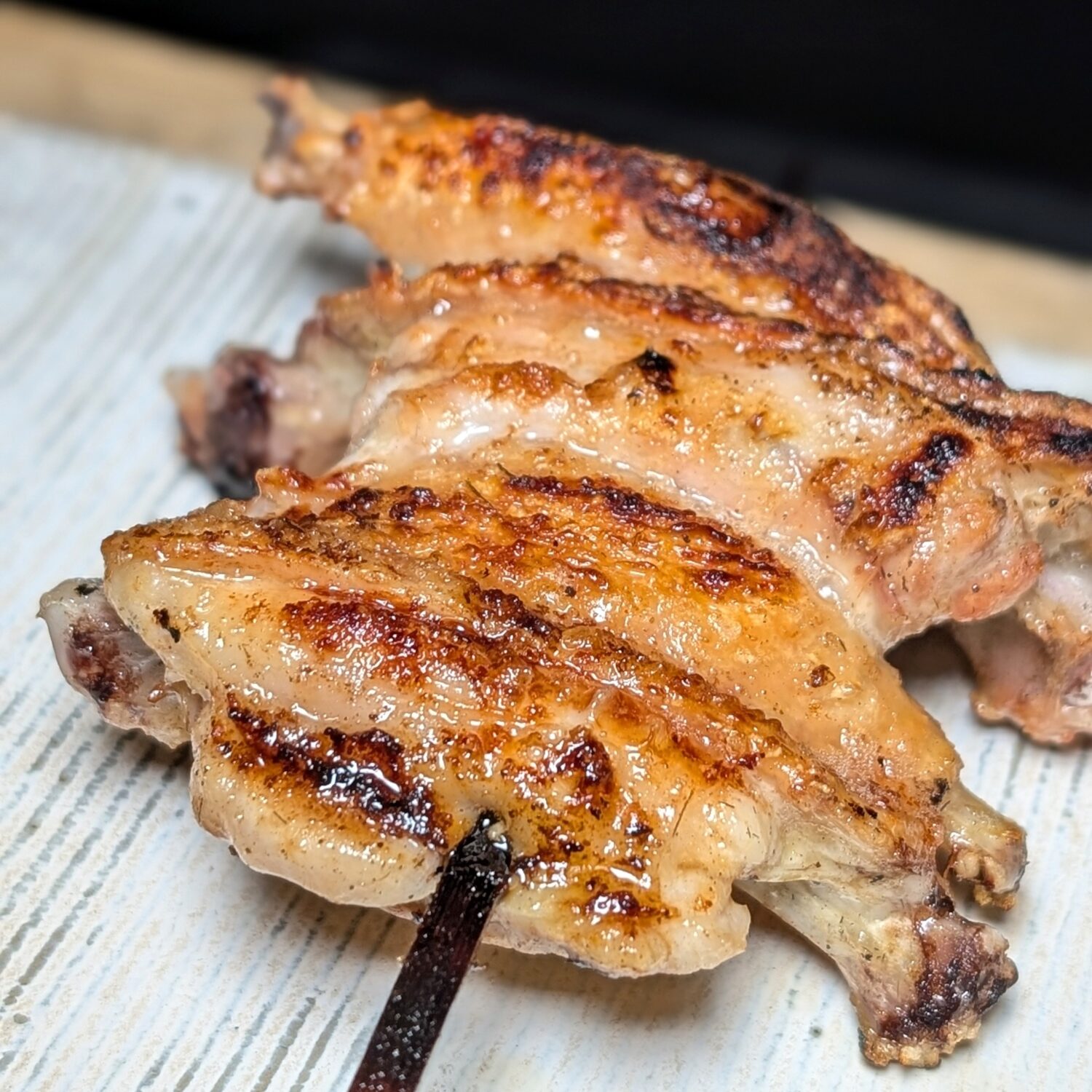
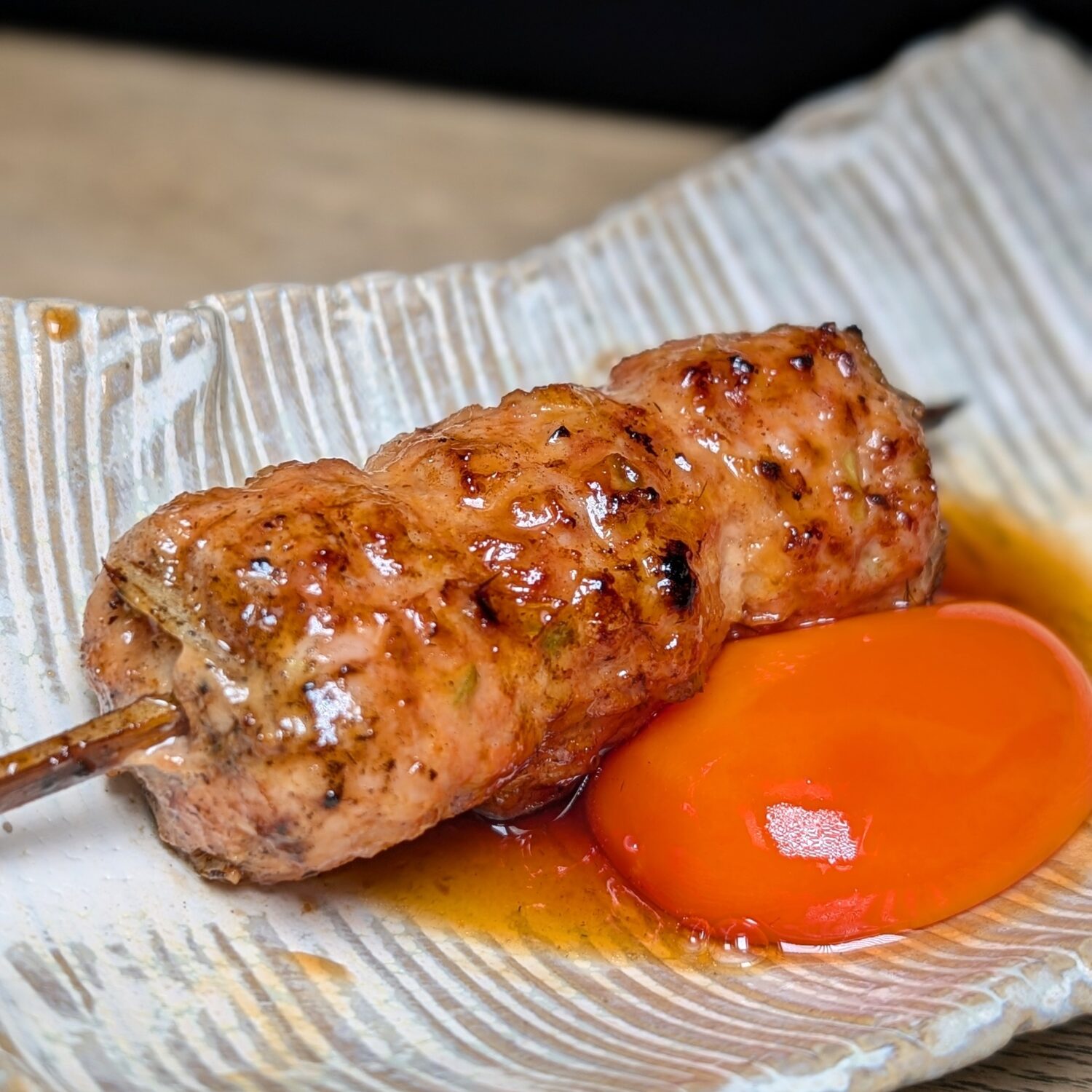
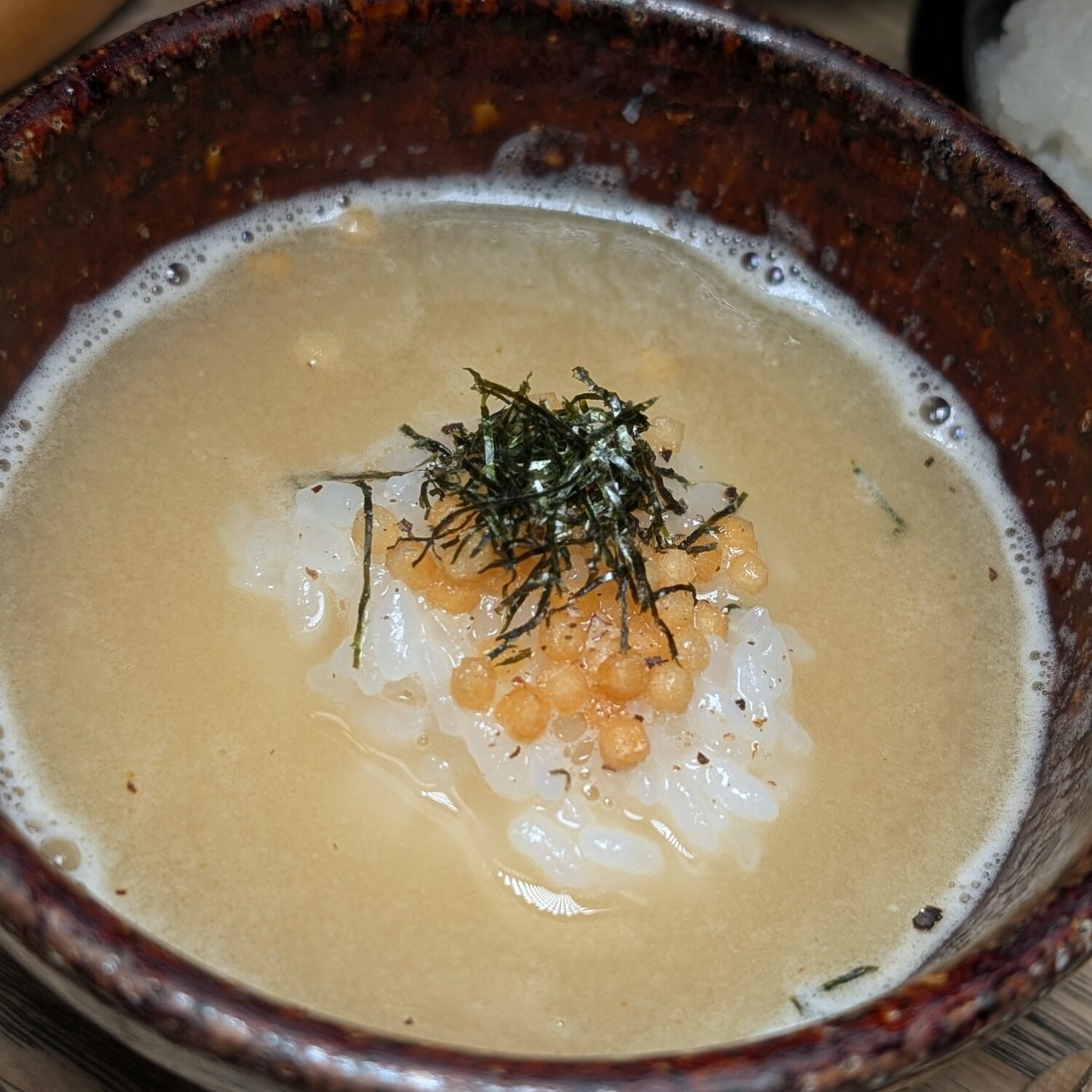
Save for the inclusion of additional courses in my Singapore dinner which were absent here, the meal was largely the same. Courses included, but are not limited to, Momo (thigh), Seseri (chicken neck meat), Kashiwa (thigh), Tebasaki (wing), Tsukimi Tsukune (chicken ball with egg yolk), Hatsu (heart), as well as grilled innard of the day (gizzard) and a Donabe/Chazuke finale before dessert. It is a testimony to the consistency of the Torikami international experience that, when I compare my notes from both dinners, my penned thoughts were virtually identical.
Special mention goes to the sensational Bonjiri (chicken tail), which commanded a delectable texture that was both crunchy and fatty with razor-crisp skin. A large part of the magic can be attributed to the restaurant’s use of kishu binchotan which involves a near-flame high-heat grilling technique – the end result is a novel, consistent, unusually piping hot and pleasurable temperature for the skewers that I have never experienced before elsewhere. Every bite is correspondingly measured as a result, which gives you time to revel in the crispiness, juiciness and fattiness at play.
A startling, revelatory evening that was all killer, no filler. I hope Torikami Singapore returns someday, but even if not, I’m glad there’s always Tokyo.




Torikami
6-10-1 Roppongi
Roppongi Hills West Wing 5F
Minato, Tokyo
106-6105, Japan
YAKITORI SHOUCHAN
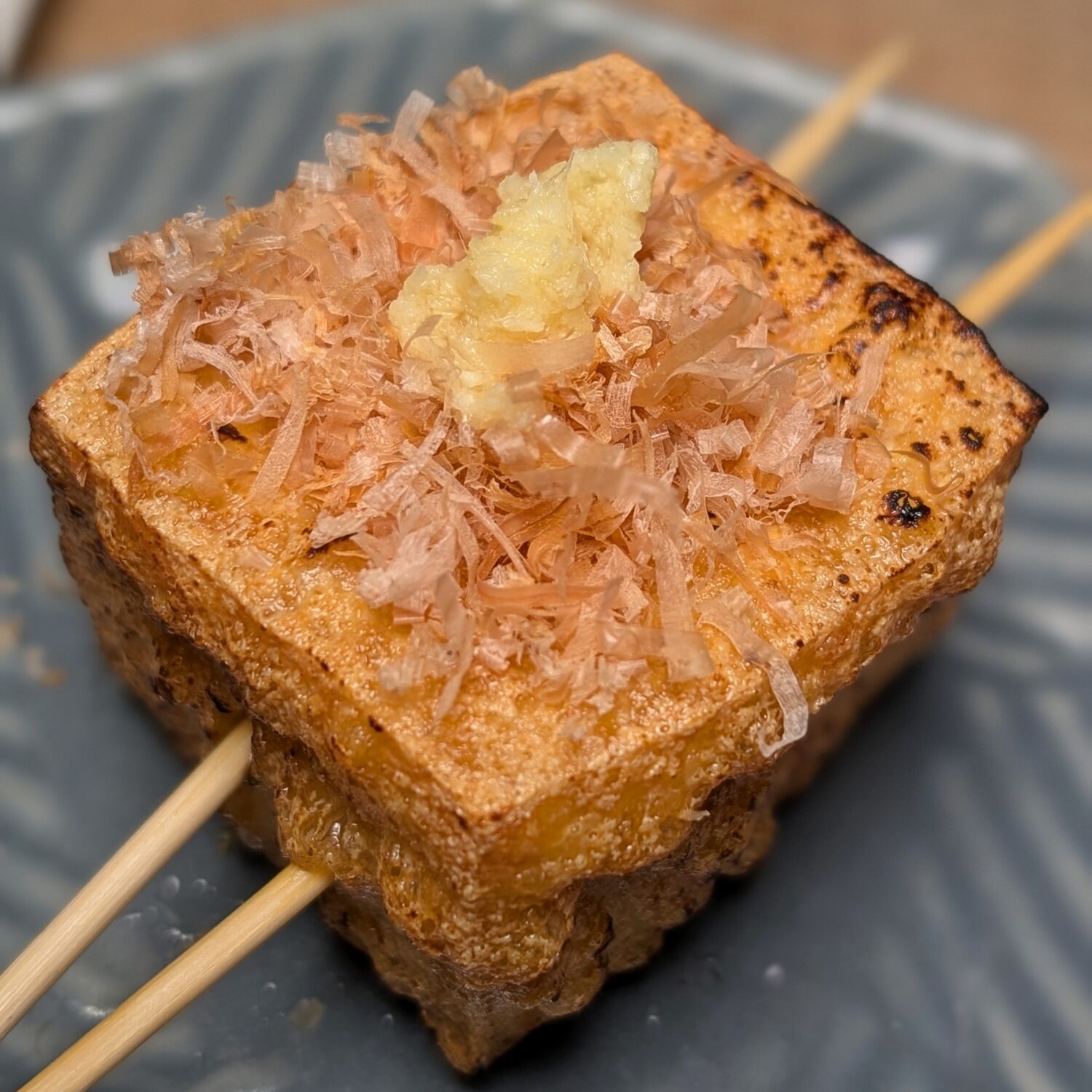
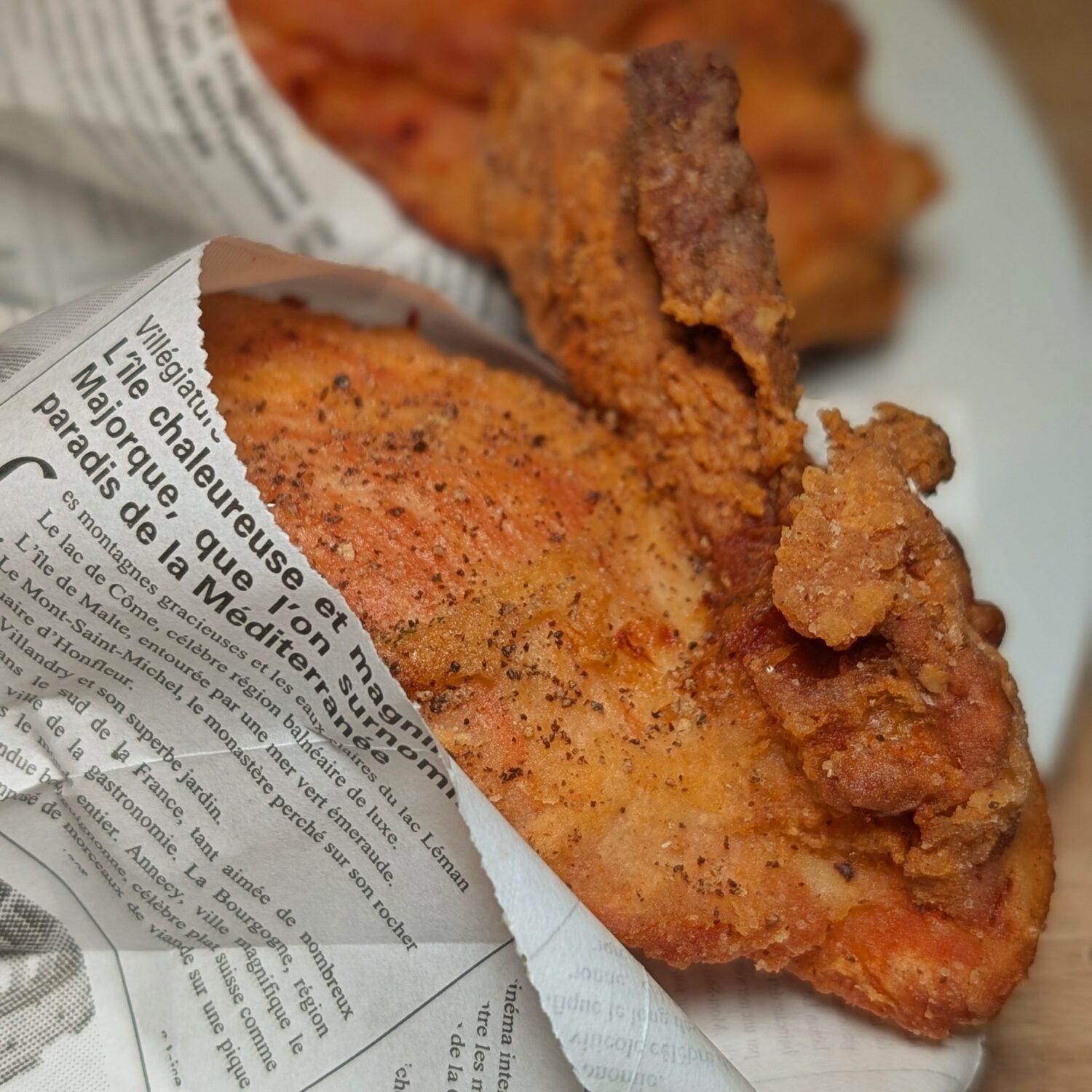
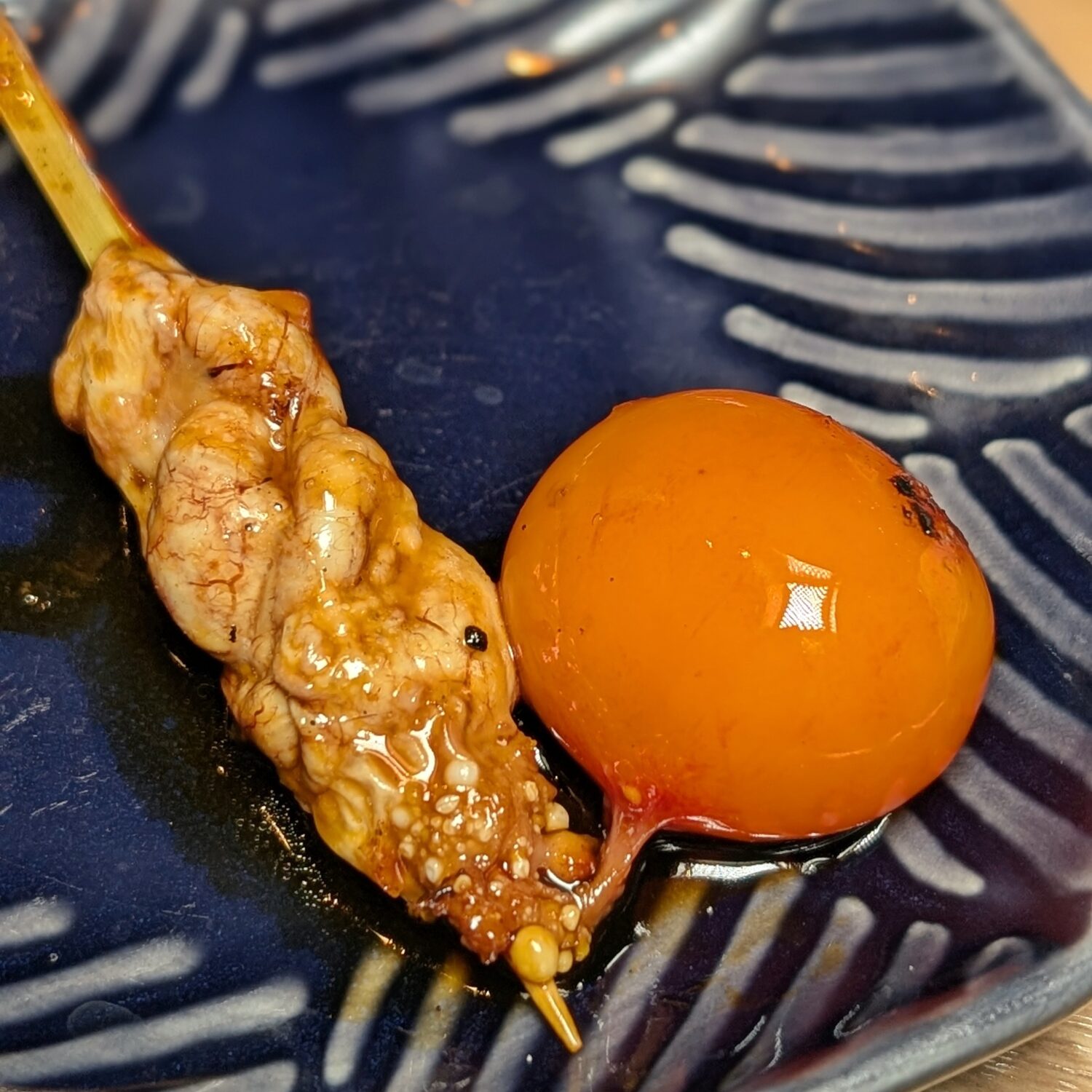
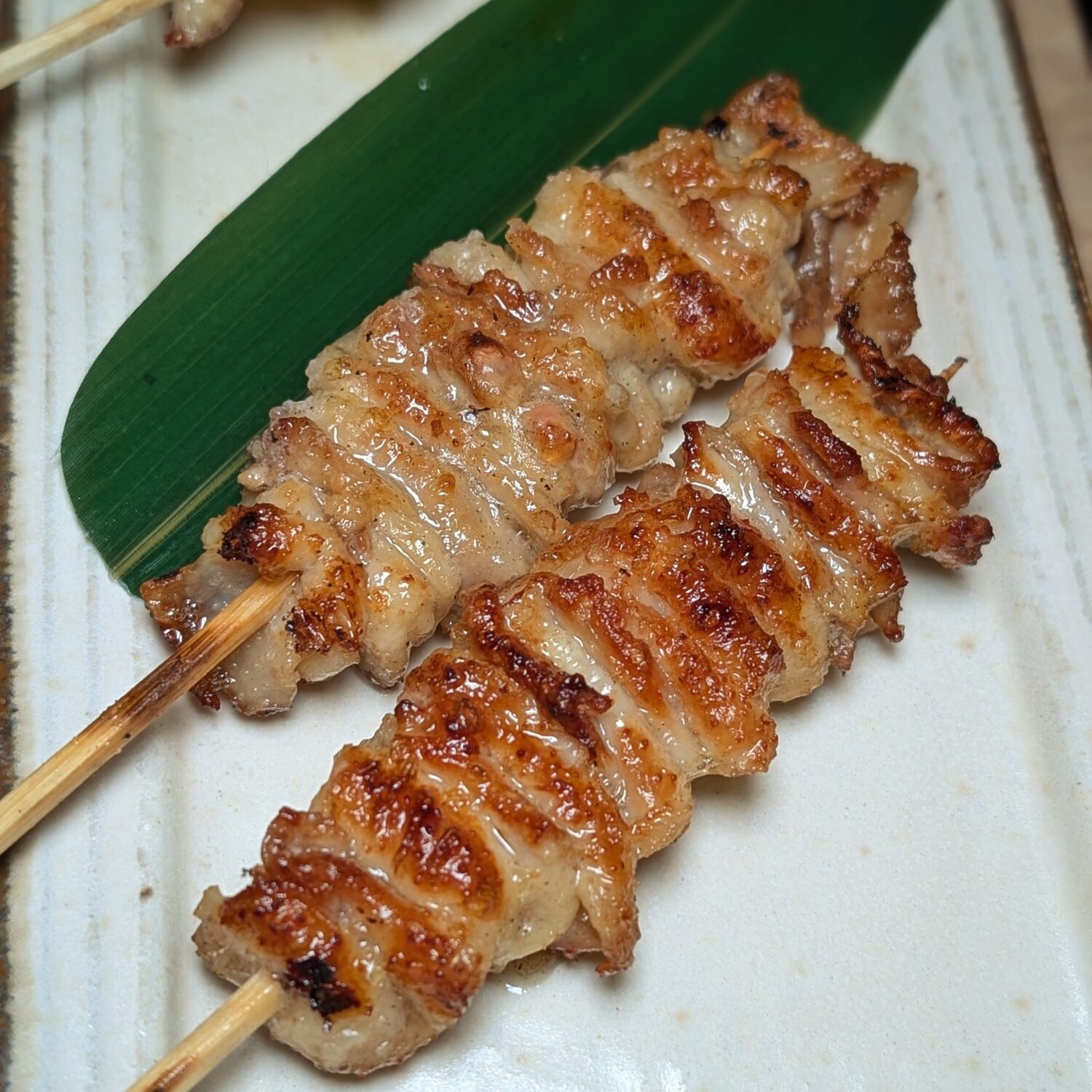
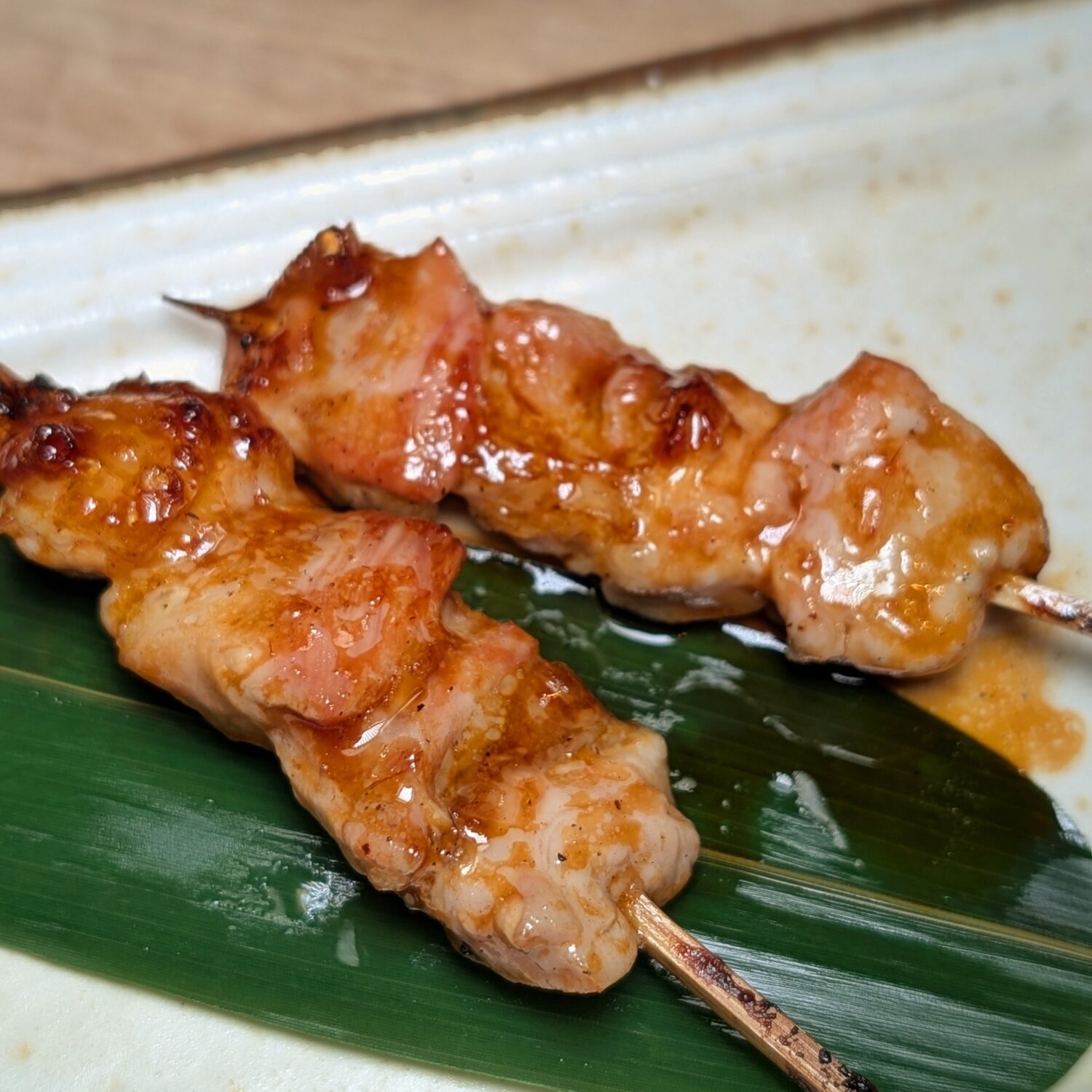
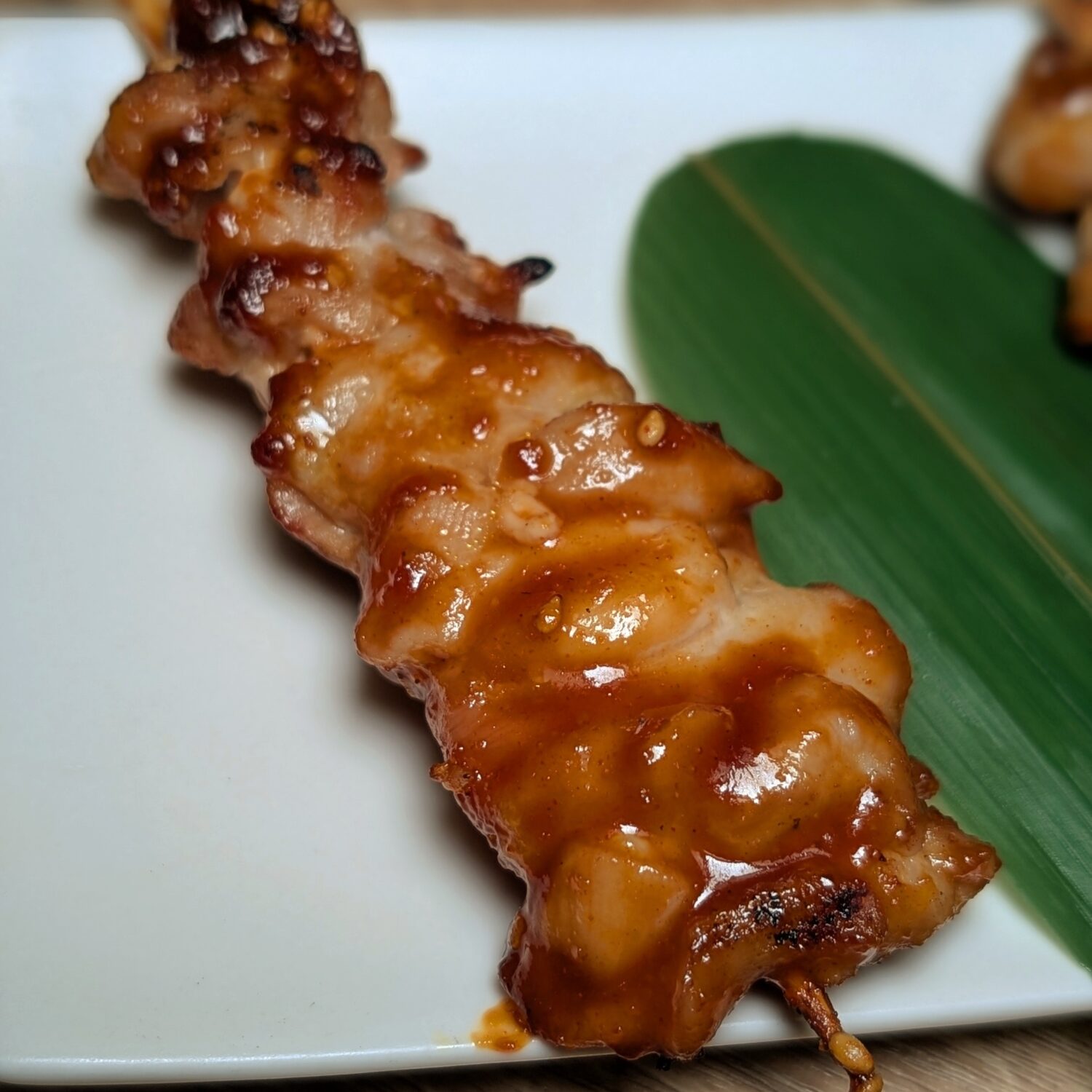
Yakitori Shouchan (焼鳥 しょうちゃん), a casual yakitori concept in Tokyo with outlets in Roppongi and Ebisu, is notable for offering rare chicken parts – think Kanmuri (cockscomb), Nodobue (esophagus), Tokkuri (whole throat), Otafuku (thymus), Harami (diaphragm), Bera (duodenum), Kappa (sternum cartilage), Furisode (shoulder meat), Obi (inner thigh), Karubi (tenderest meat inside of thigh), Momiji (feet) and Chochin (Fallopian tube and ovary). Dutch courage was needed to conquer the Chochin (nicknamed “Lantern” for its appearance) which comprises the Himo (oviduct) still attached to the Kinkan (immature egg yolk). The former was a chewy, crunchy affair, while the latter exploded dramatically in your mouth in a rich, sweet, gooey ooze.
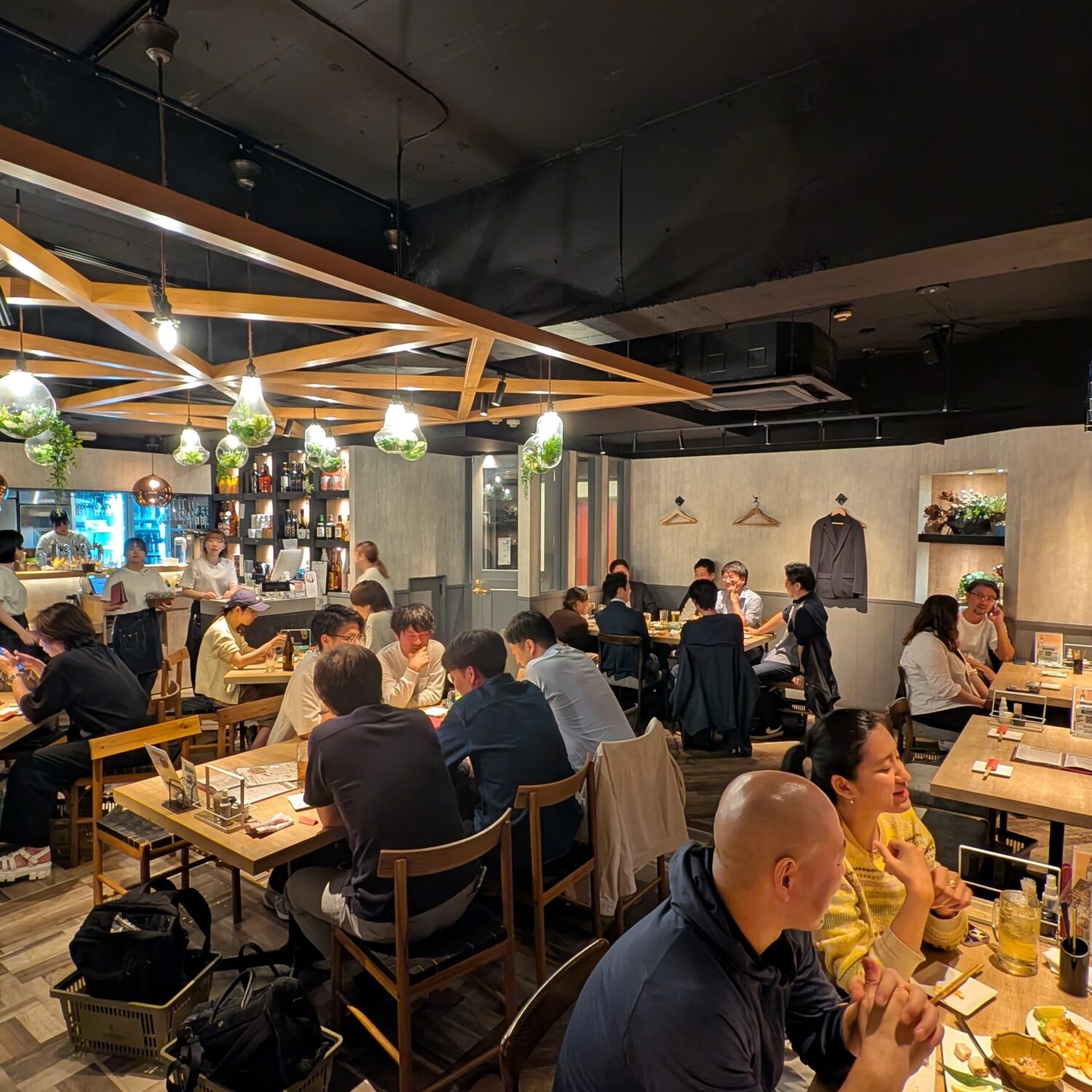
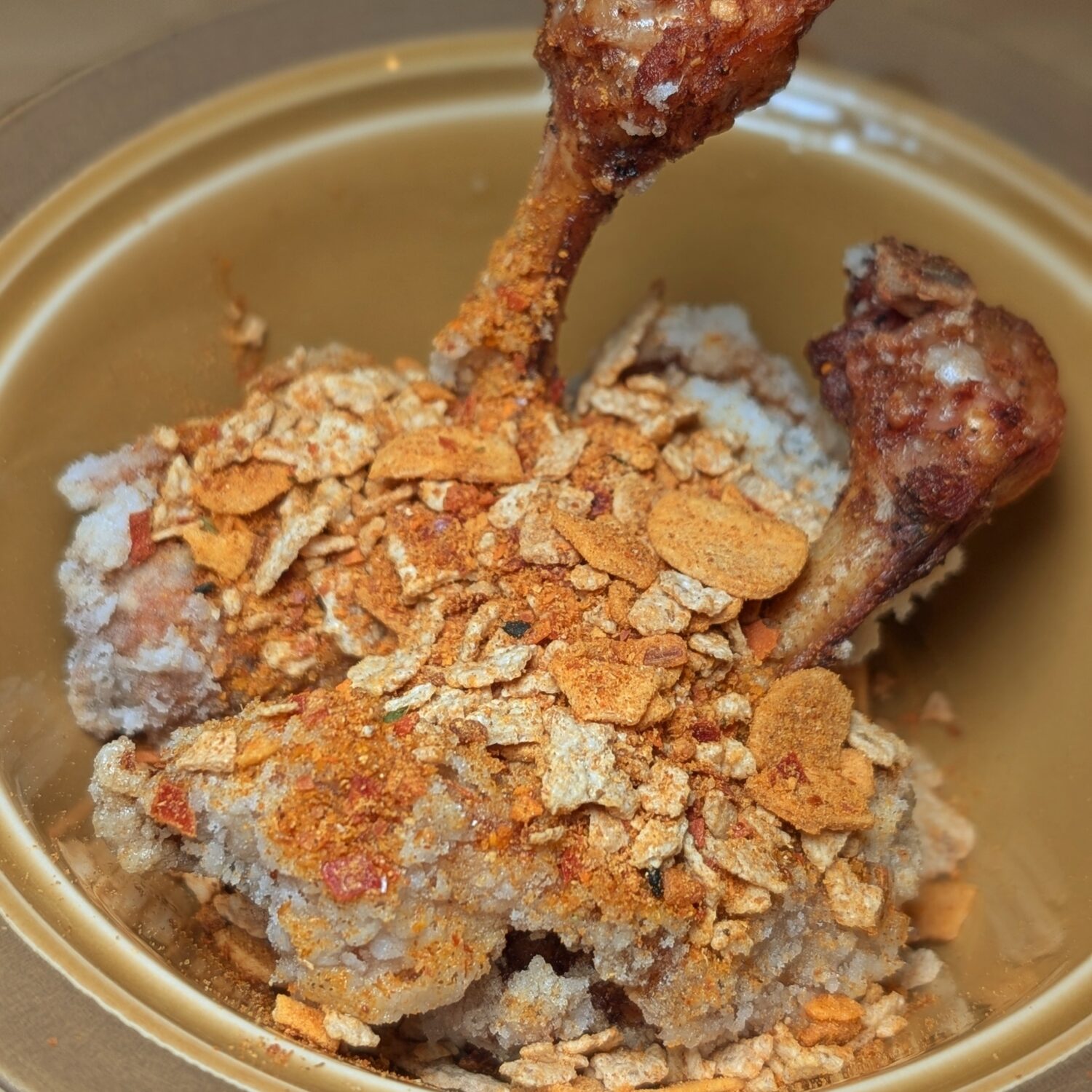
The restaurant also offers the standard yakitori options (Momo, Seseri, Kawa, Bonjiri etc) alongside other chicken dishes such as the garlic and curry-seasoned Mao Zedong Chicken and the juicy Fried Chicken. Vibes were alcohol-fuelled lively (sometimes in aural-testing fashion), and the staff were rather enthusiastic to clear our highball mugs and procure fresh orders, but I would come back for the interesting chicken cuts. And maybe drink more slowly next time.

Yakitori Shouchan
3-11-10 Roppongi, Coco Roppongi 5F
Minato, Tokyo
106-0032, Japan
RAMEN OYSTER AND SHELL
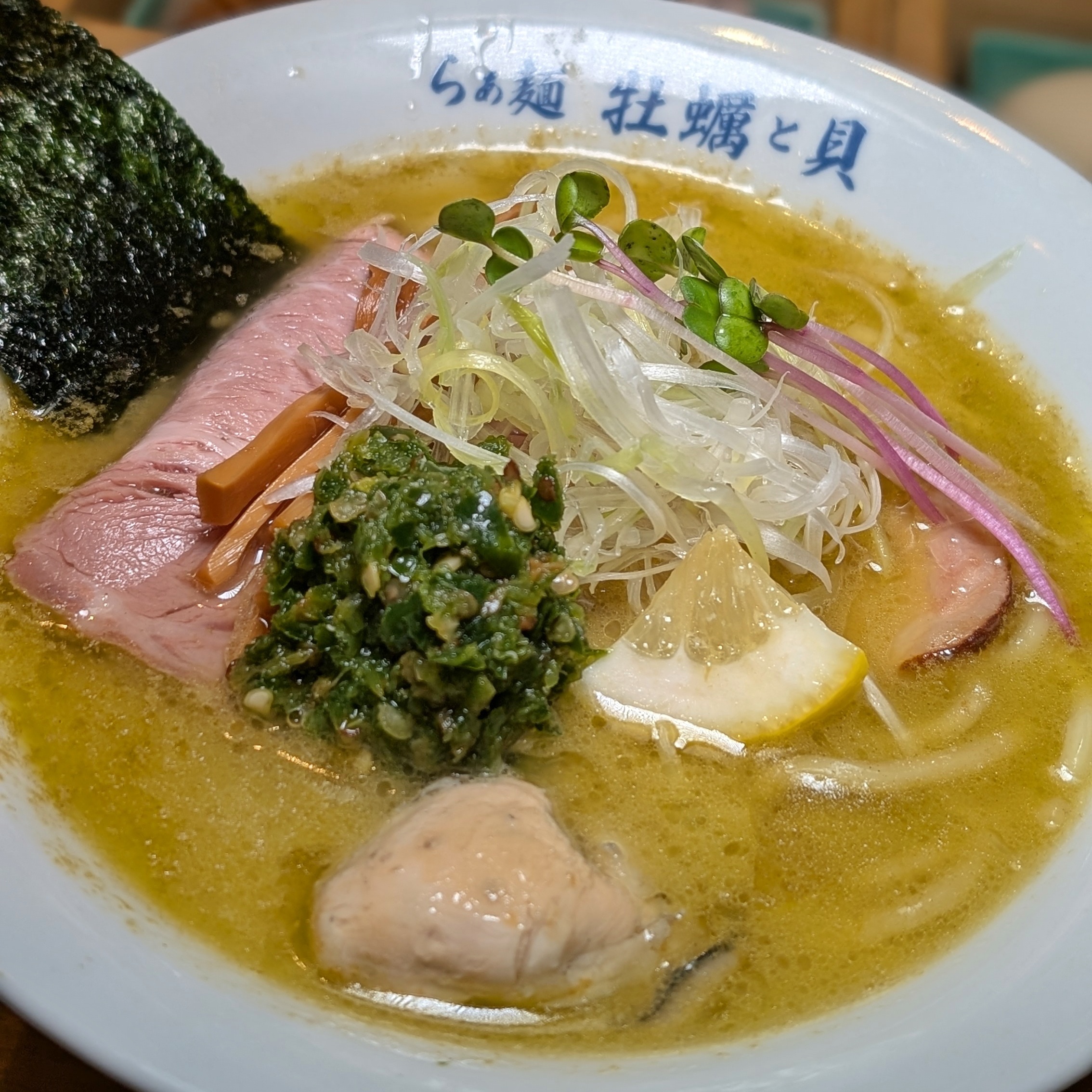
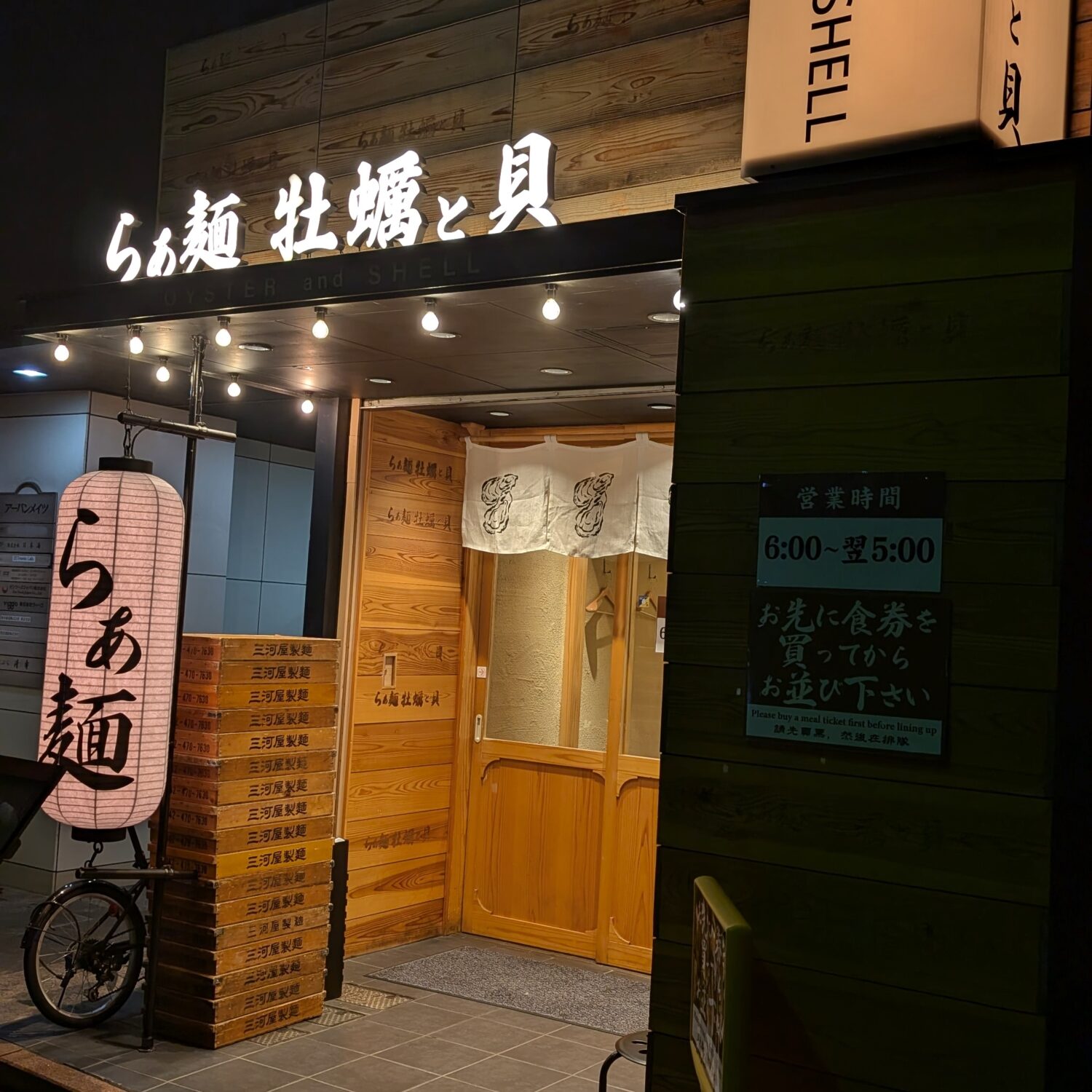
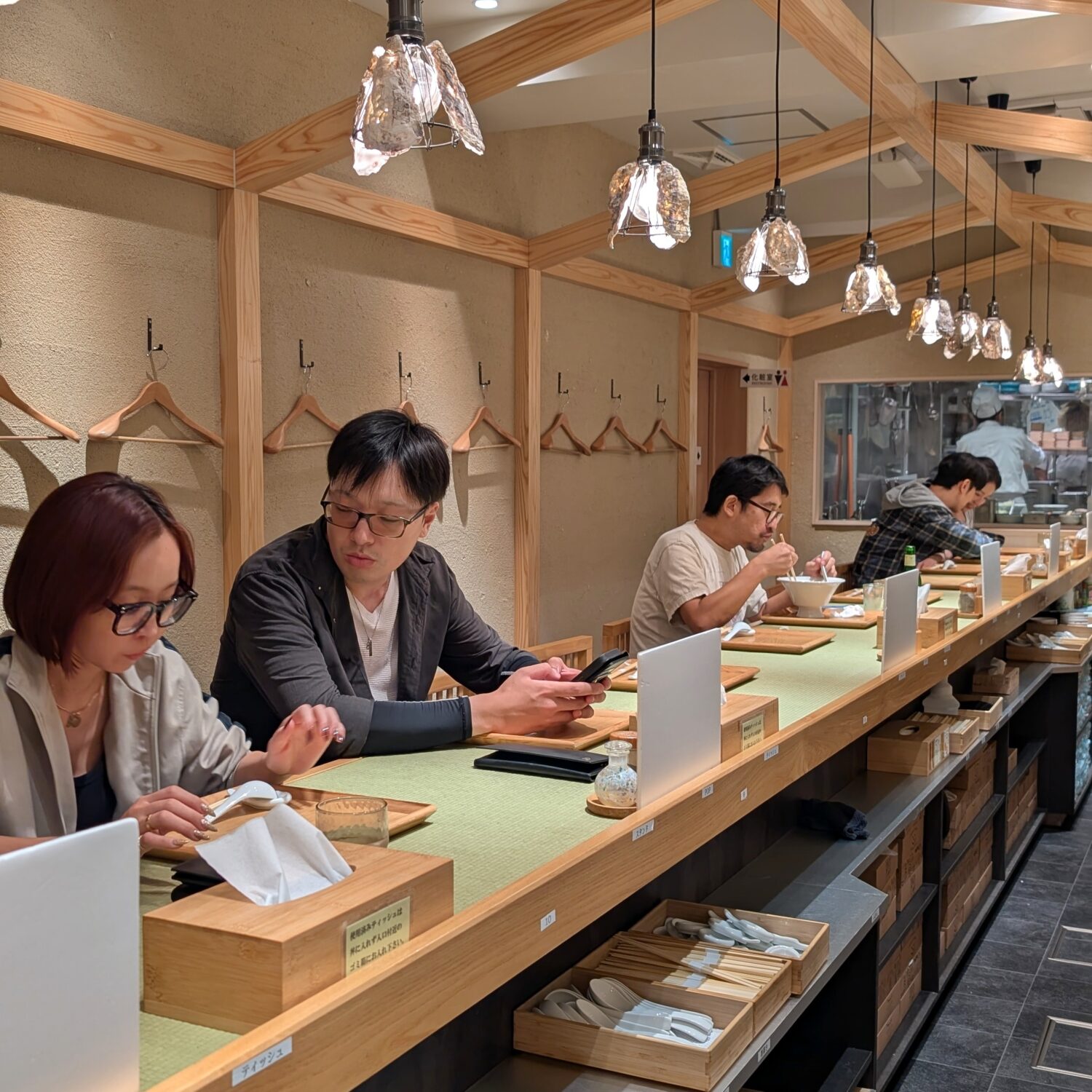
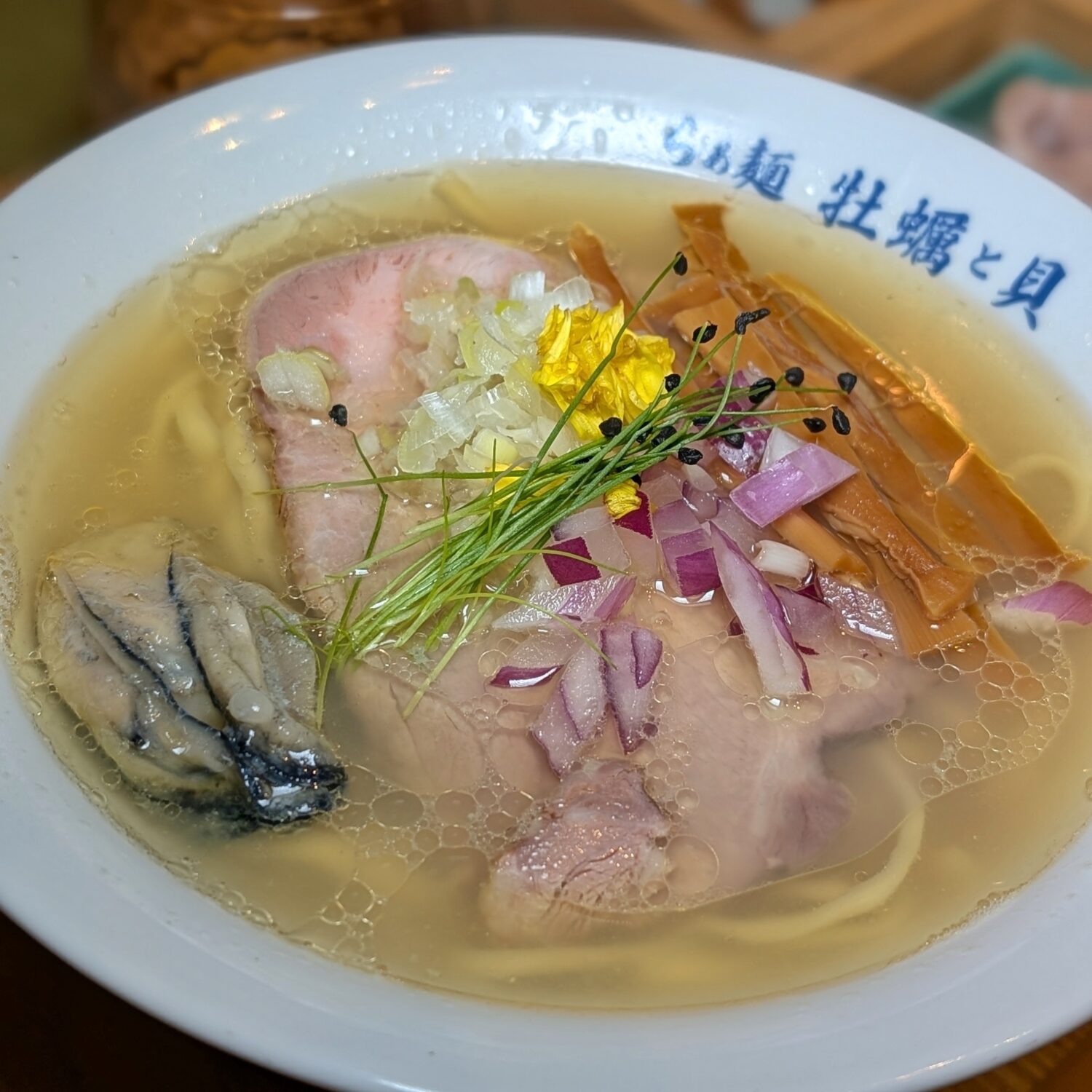
Green Chili Peppers Oyster Ramen and Shio Shellfish Soup Ramen from Ramen Oyster and Shell (らぁ麺 牡蠣と貝) at Tsukiji, Tokyo. We ordered “Super Super Deluxe” sets with Hiroshima oyster, shellfish-seasoned egg, grilled pork shoulder chasiu, bamboo shoots and nori seaweed.
The Shio Shellfish Soup Ramen was simultaneously clean and clam-thick, being increasingly briny as you reach the depths of the shellfish ocean, while the amazing Green Chili Peppers Oyster Ramen boasted an unctuous, unmistakably oyster umami creaminess, tempered and balanced out by the fresh spiciness of the green chilli peppers.
Ramen Oyster and Shell
3-16-9 Tsukiji, 1F
Chuo, Tokyo
104-0045, Japan
EL FUJIYAMA
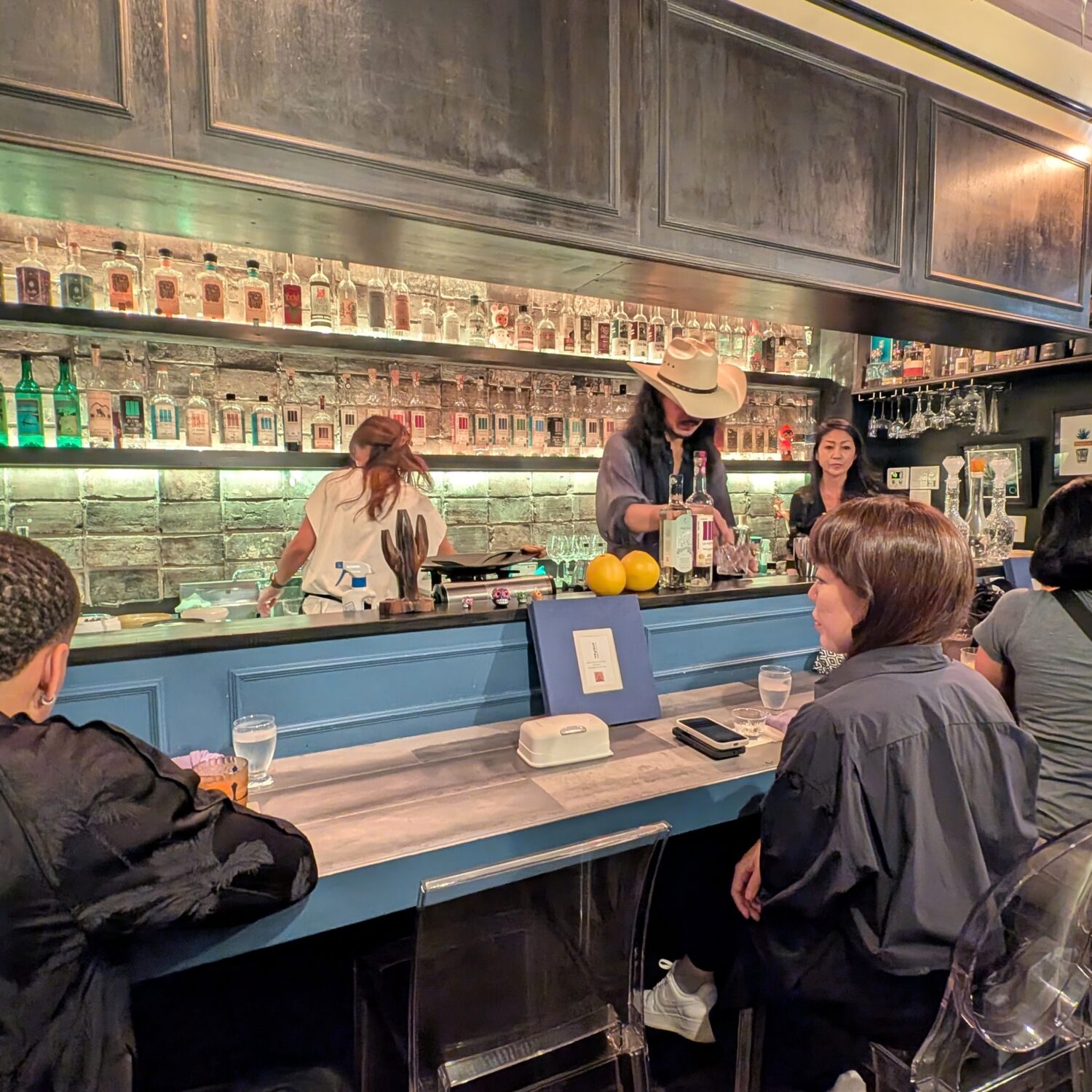
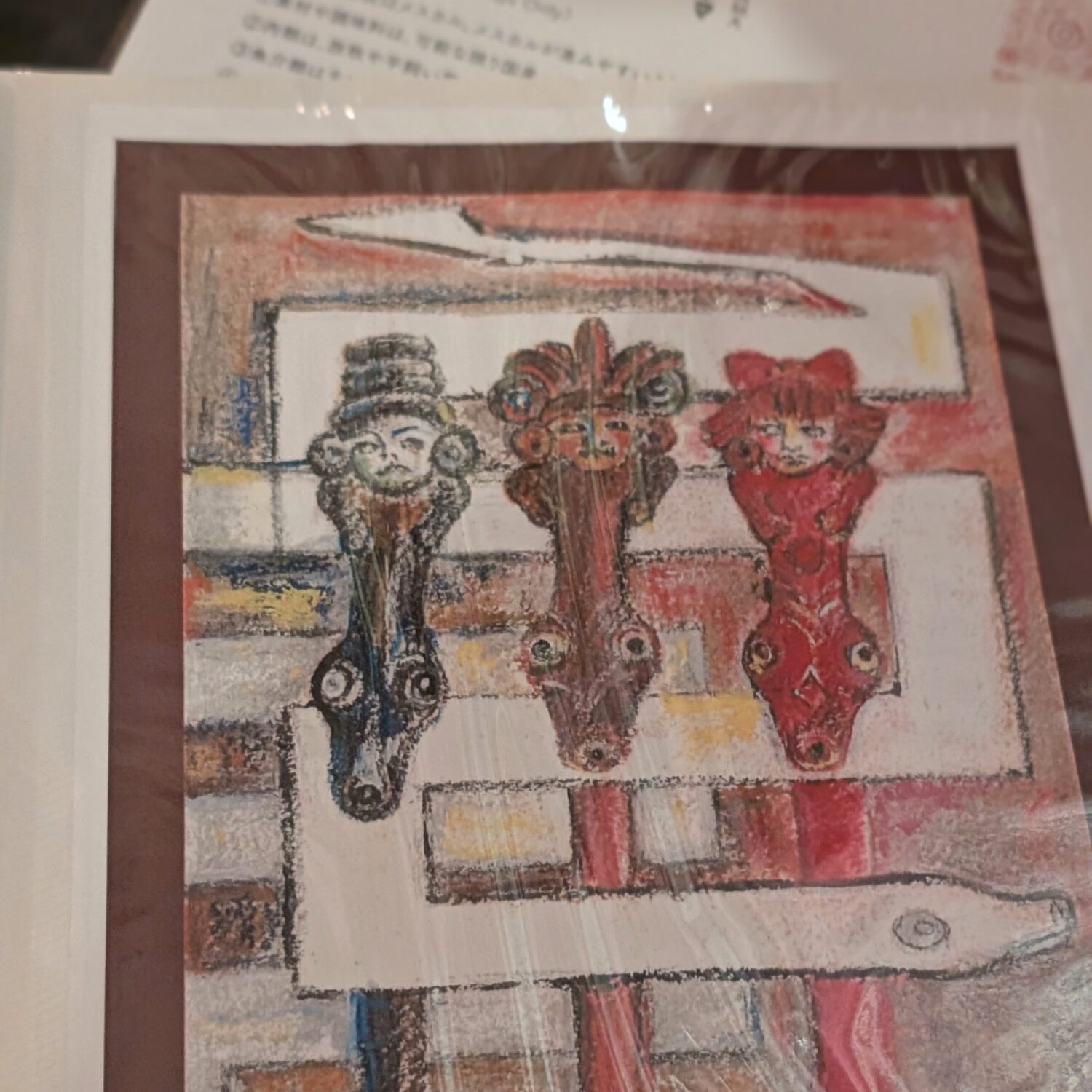
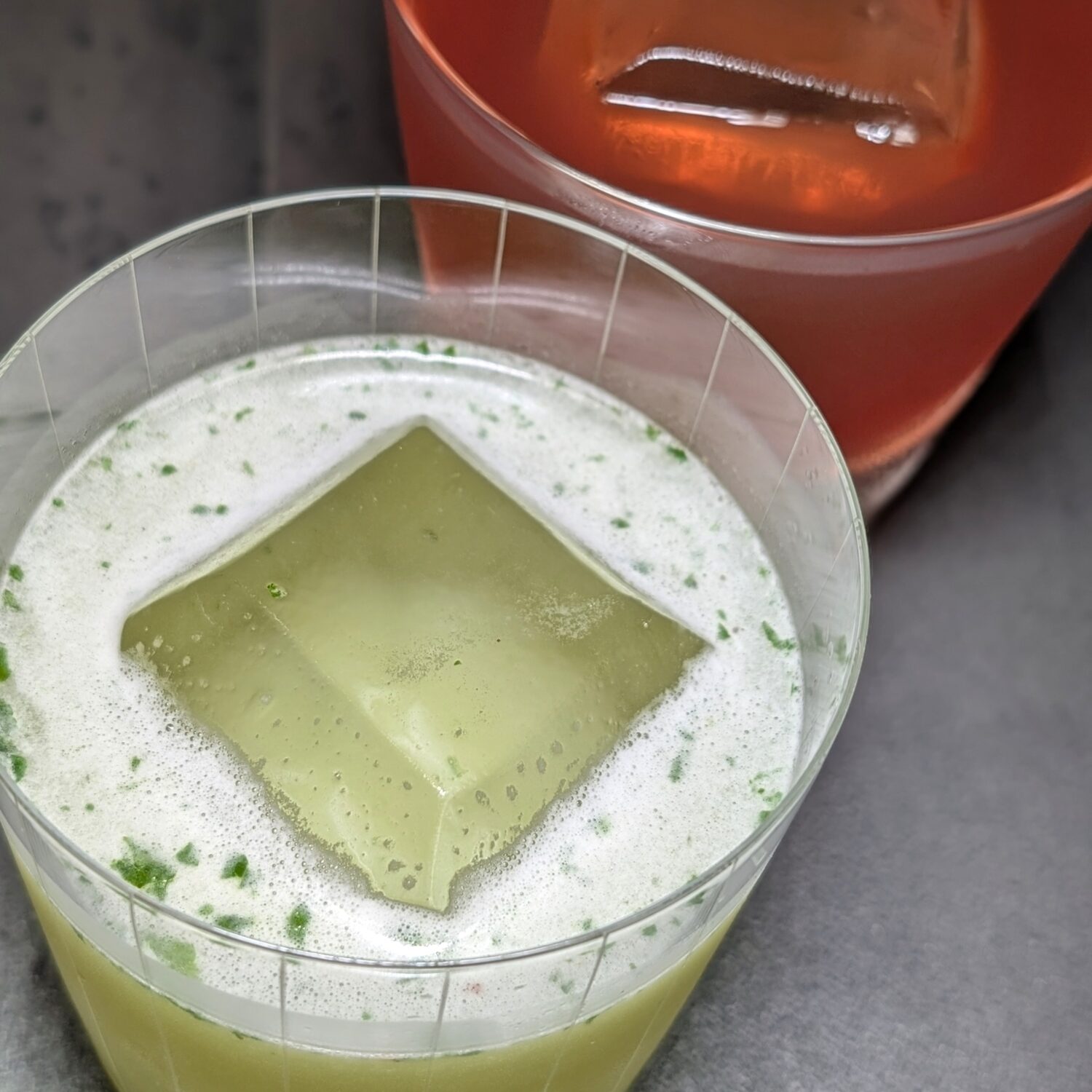
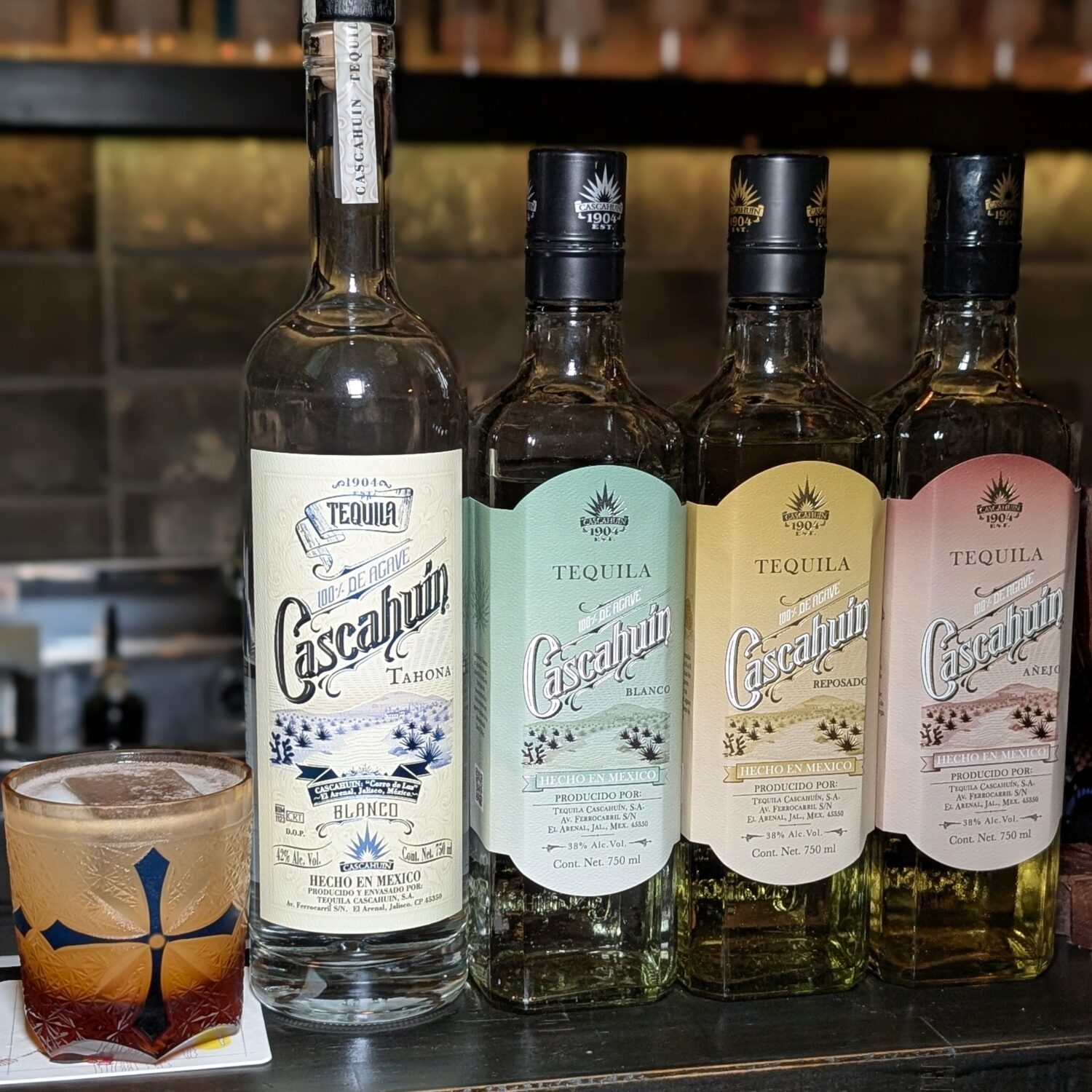
El Fujiyama, a cosy mezcal and tequila speciality bar in Azabu-Juban, Tokyo, prides itself in not using any alcohol other than their homemade infused liquor made with mezcals and tequilas, none of which are industrial or major commercial brands. I stumbled upon the bar while researching cocktail bars in the area during my stay at Oakwood Hotel & Apartments Azabu Tokyo, and it was a terrific hidden gem of a find, with the tipples being clever, complex and hella stiff.
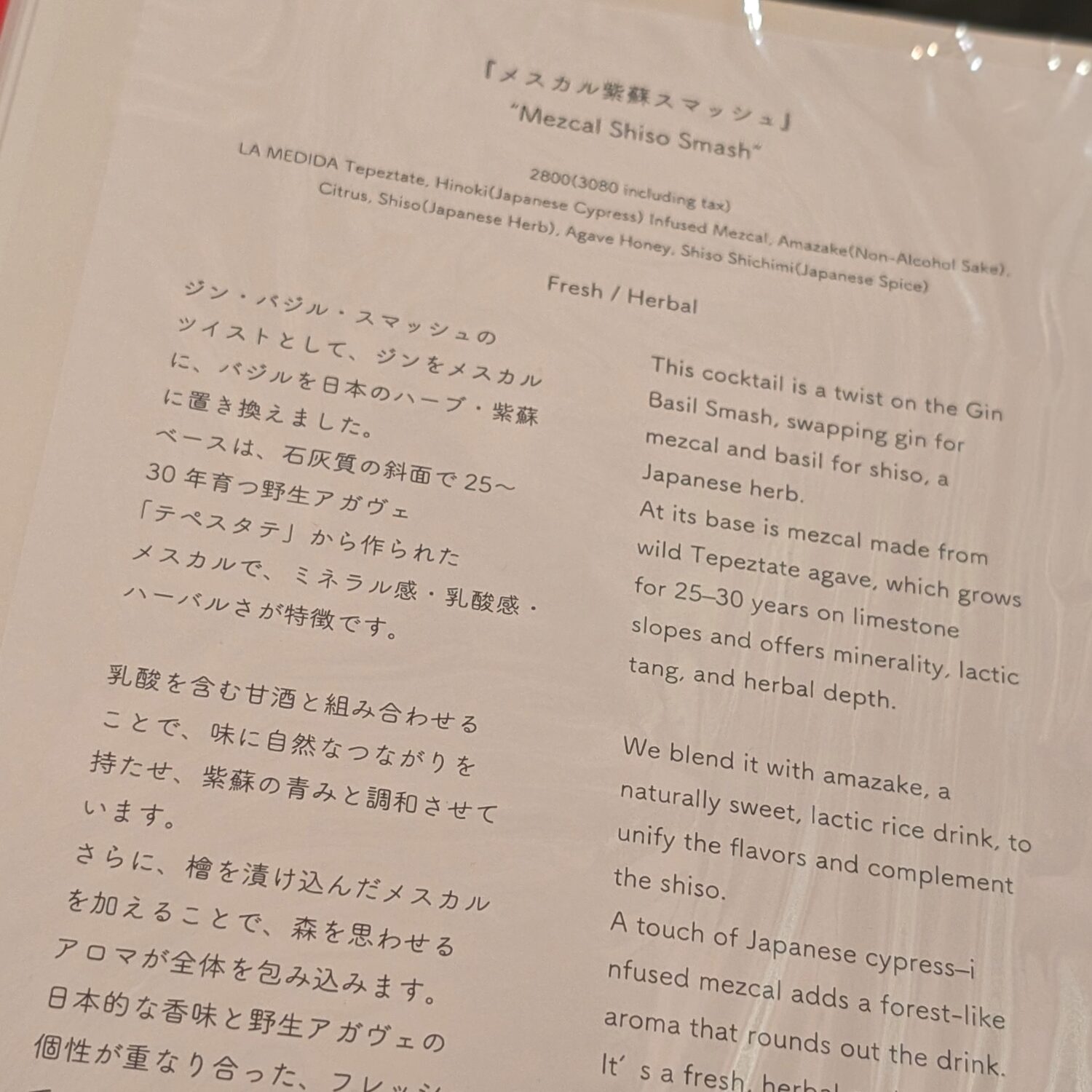
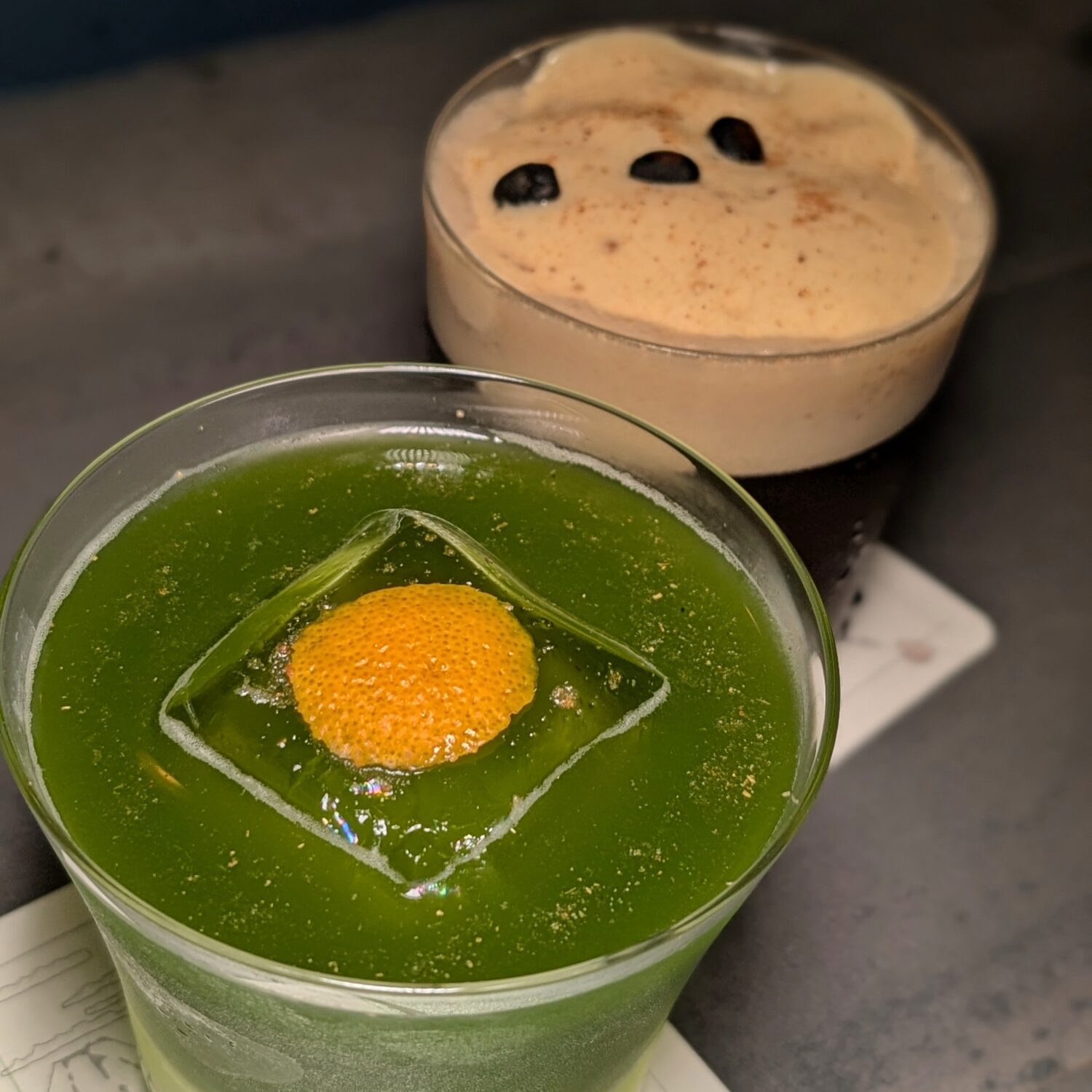
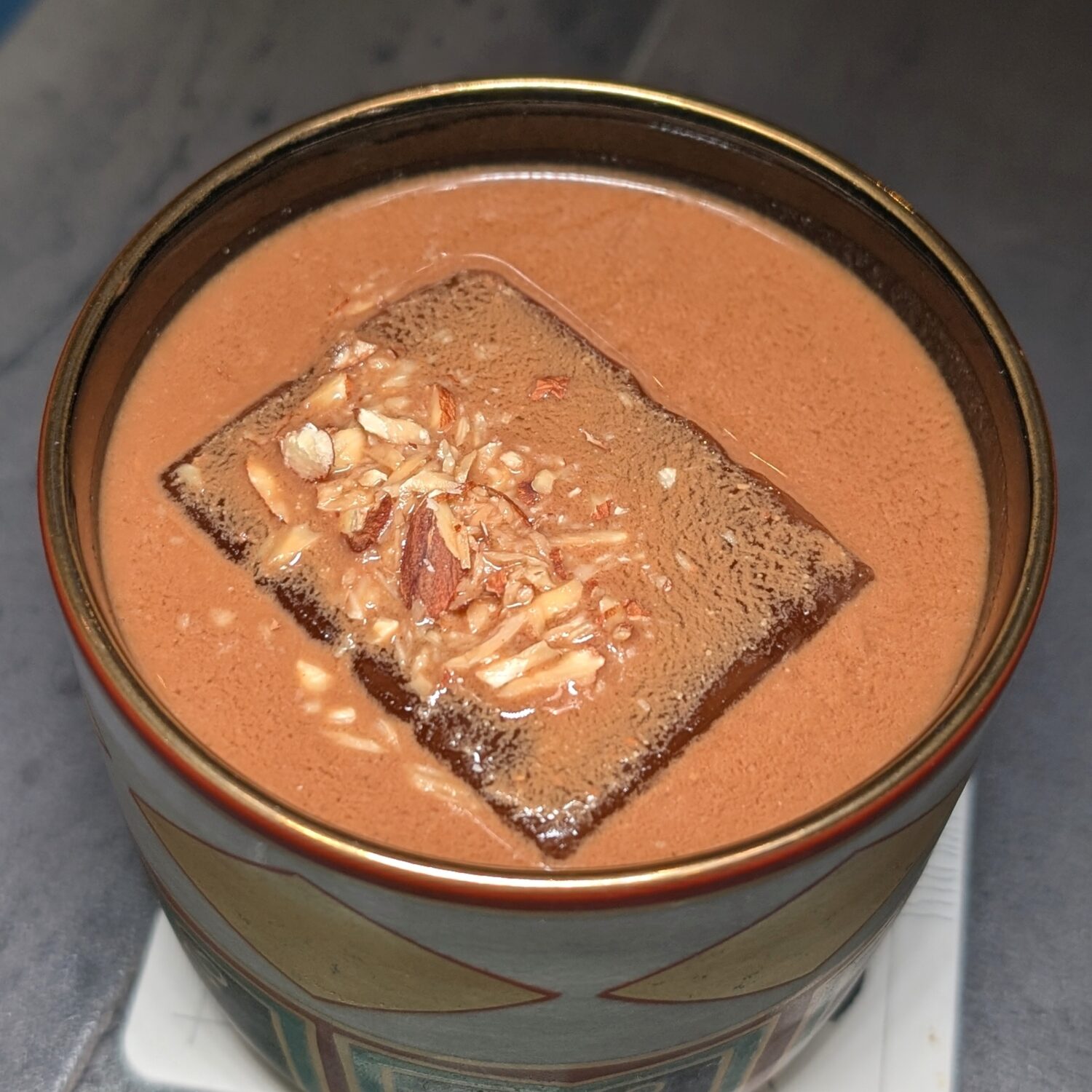
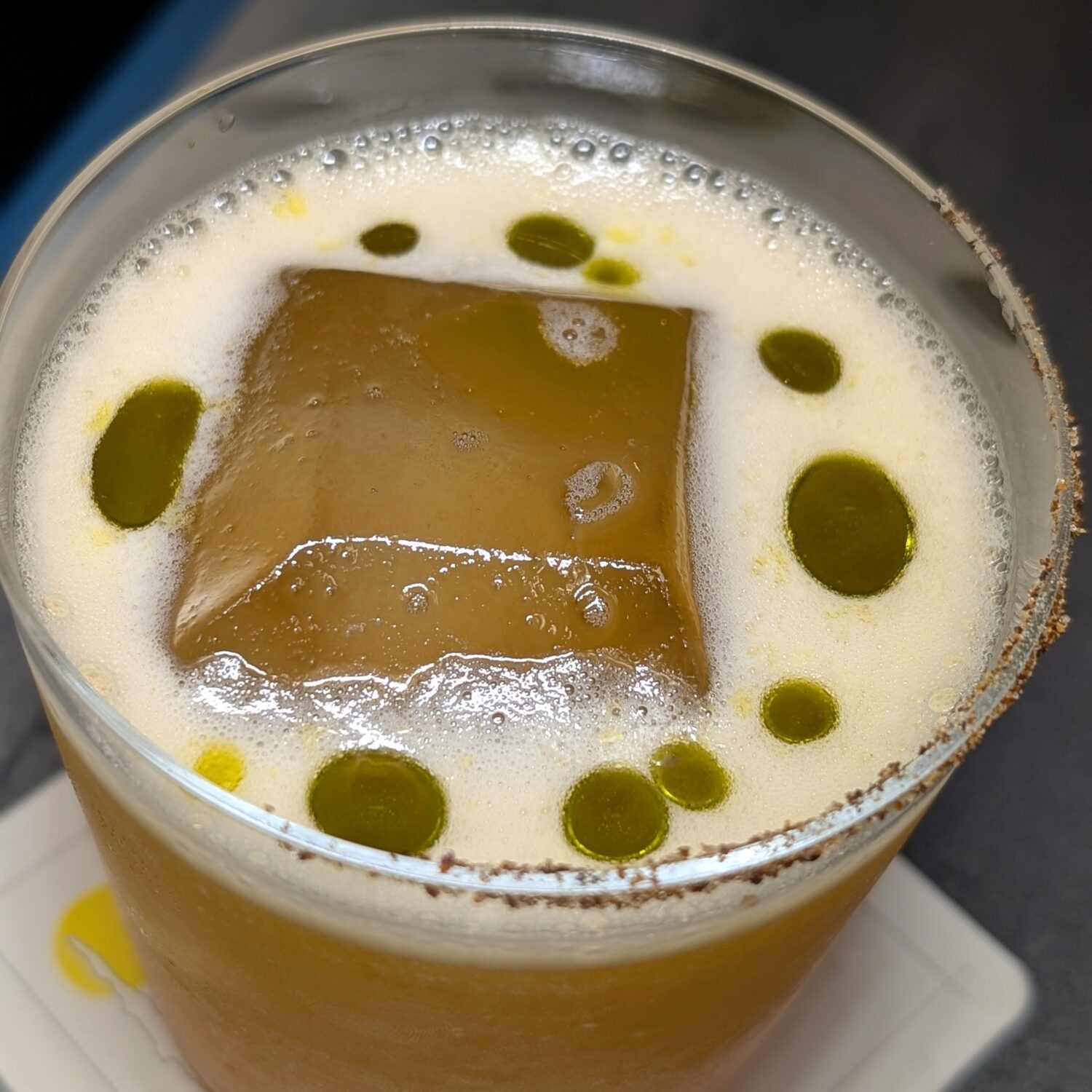
The sensational Mezcal Shiso Smash (hinoki-infused mezcal, citrus, shiso, agave honey, shiso shichimi) was one of my favourite cocktails in recent memory, while the very surprising and almost dessert-like Mole Miso (orange peel-infused mezcal, key lime, tangerine, agave honey, cacao, ancho chili infused mezcal, morita chili infused mezcal, almond, cinnamon, nutmeg, miso) left a similarly strong impression, being a thick, riotous affair that was chocolatey, spicy and peanut buttery all at once. The Mezcal Yuzu Negroni (house-made agave vermouth, mezcal infused with orange peel, hibiscus and cacao tea, house-made mezcal gin, agave honey, yuzu) possessed a masculine herbality, while the Mezcal Matcha Old Fashioned (orange peel-infused mezcal, kuromoji-infused mezcal, agave honey, matcha, key lime, anise) started off on a strong tannic note before revealing its smoky character.
Espresso martini lovers would find plenty to obsess over when it comes to the Mezcal Espresso Martini with Kinako Espuma (orange peel-infused mezcal, cacao, organic coffee, agave honey, cinnamon, nutmeg, soy milk, tangerine, kinako), wherein the mezcal’s smokiness somehow reinforces the roastiness and flavour of the coffee.

El Fujiyama
1-6-4 Azabujuban, 2F
Minato, Tokyo
106-0045, Japan
BAR ISHINOHANA
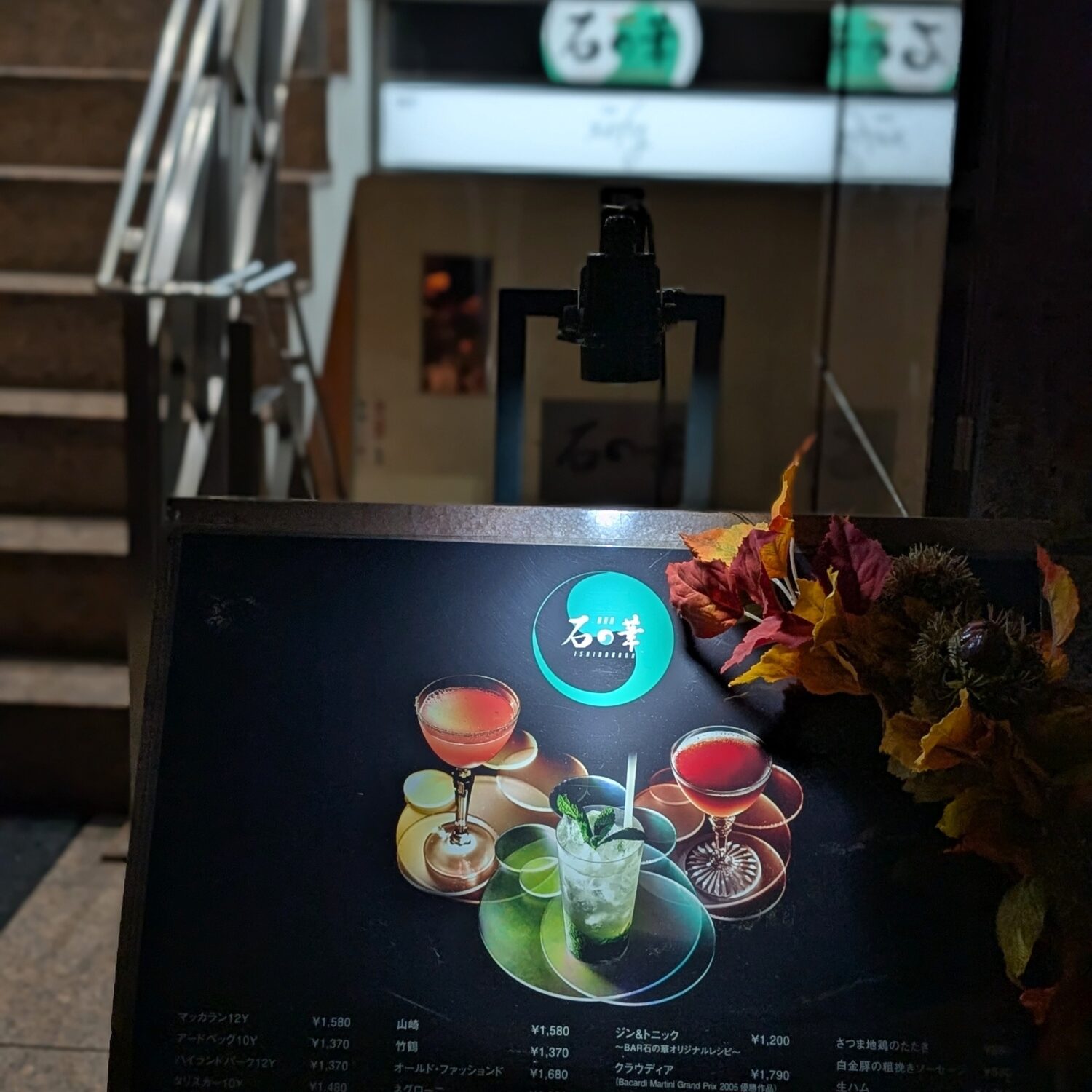
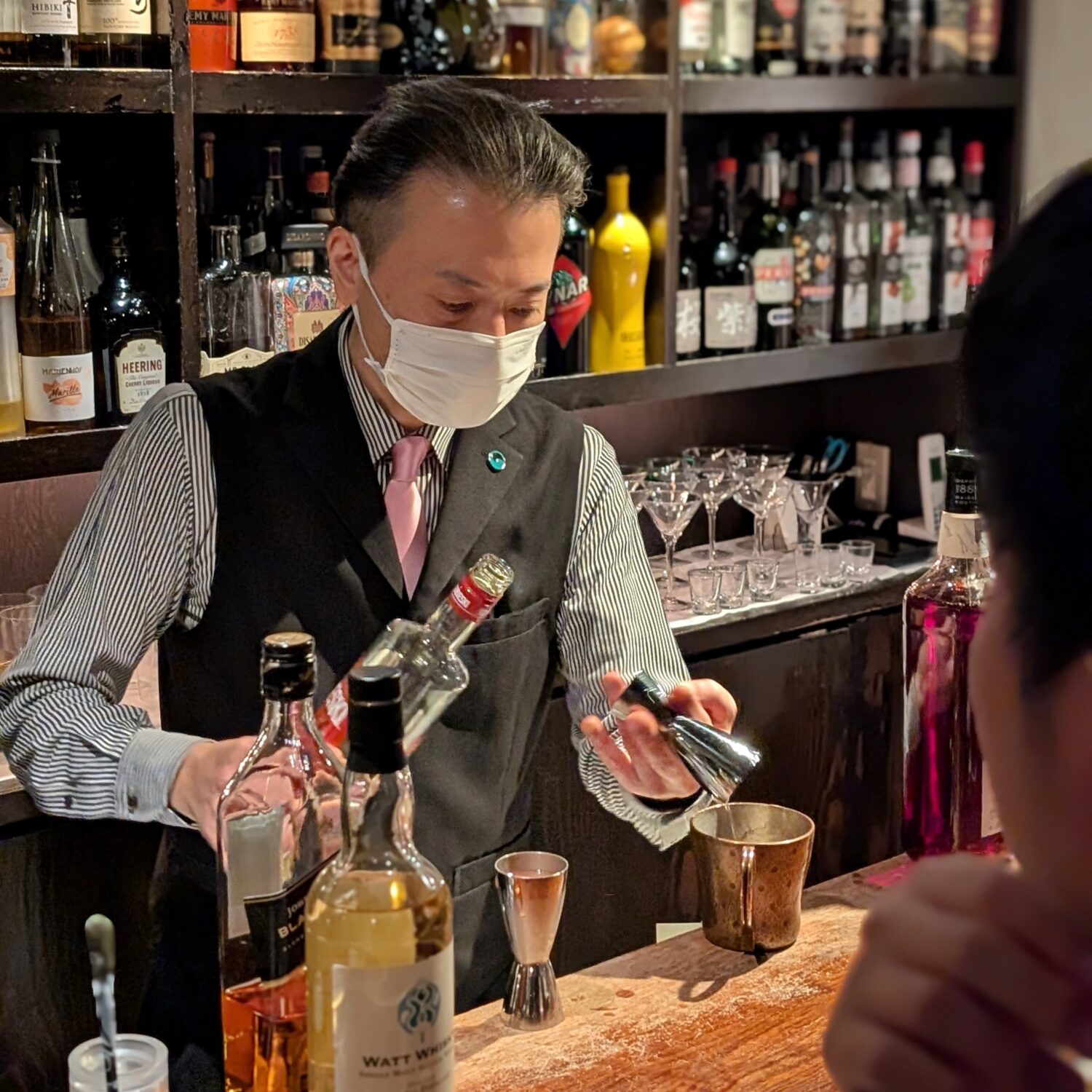
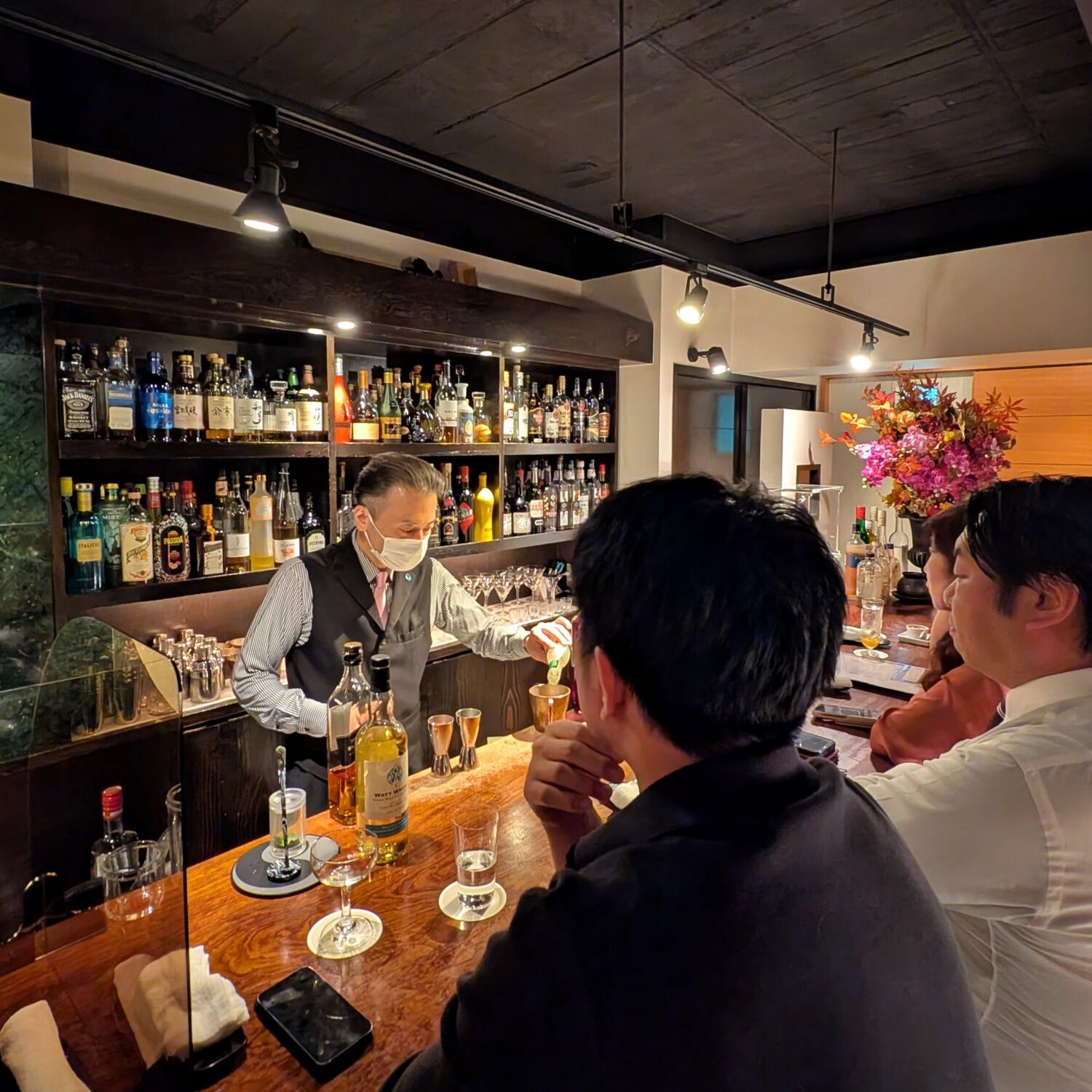
Bar Ishinohana (バー石の華), the famed cocktail bar set within the basement of Yagi Bldg.2 in Shibuya’s bustling san- chōme district steps from Shibuya Station. Led by award-winning owner-bartender Shinobu Ishigaki, the bar specialises in both classic and innovative cocktails, with Japanese ingredients – including fruits and fresh produce showcased throughout both their staples and seasonal menus. The space plays it all dim lighting and dark woods, with classic Japanese hospitality and warmth on display, making it the perfect destination for date night and hushed conversations.
The main menu offers a variety of variations of selected classic cocktails – for instance, the classic Negroni is offered alongside variations such as Negroni Bianco and Pisco Negroni, while those who enjoy an Old Fashioned can try Shiitake-infused Japanese and Mexican chilli-tinged Spicy versions. Foreign visitors are offered the English menu, but there are usually seasonal menus such as their tea and chestnut-based selections which are limited period and hence may not be translated in English, so always enquire for their full set of Japanese menus.
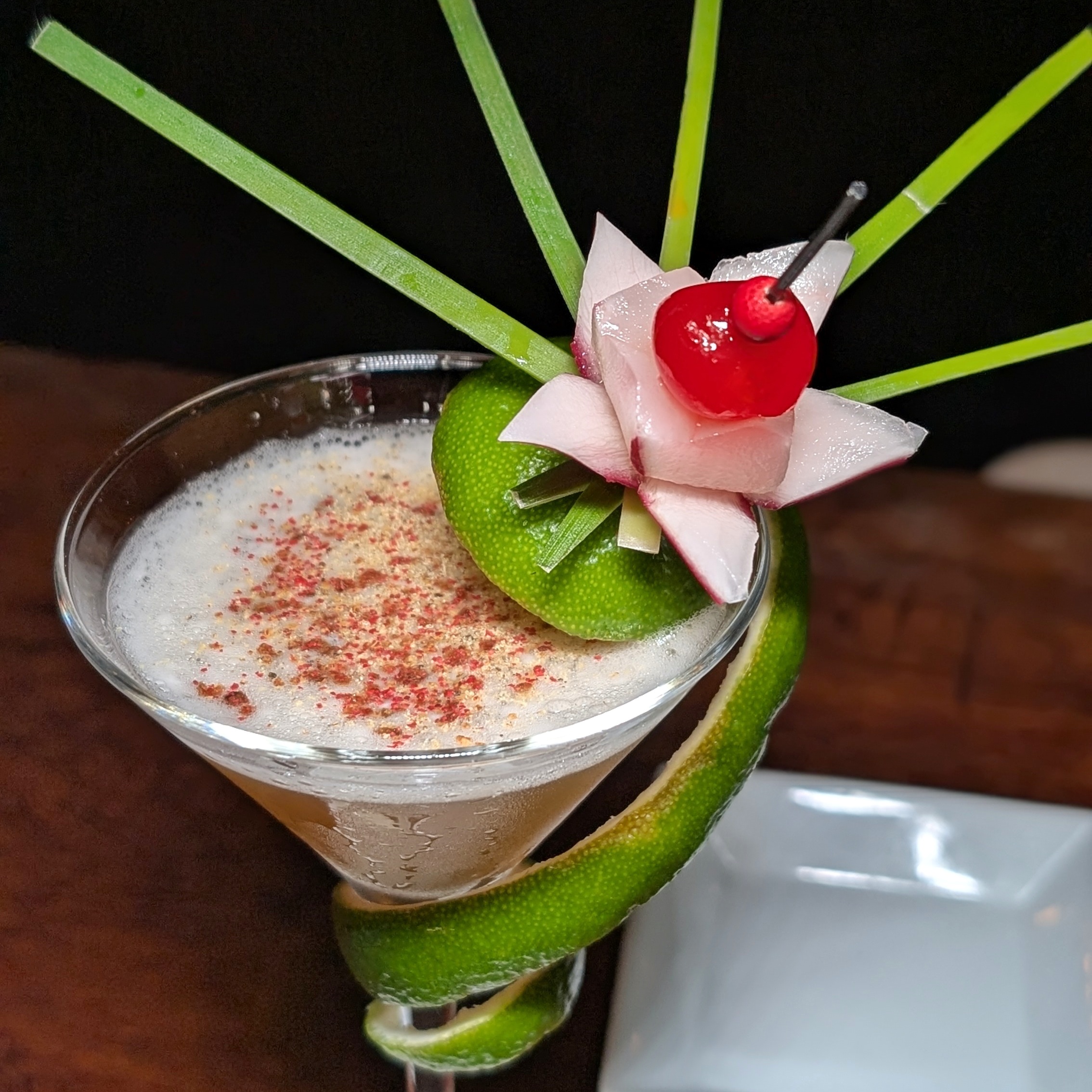
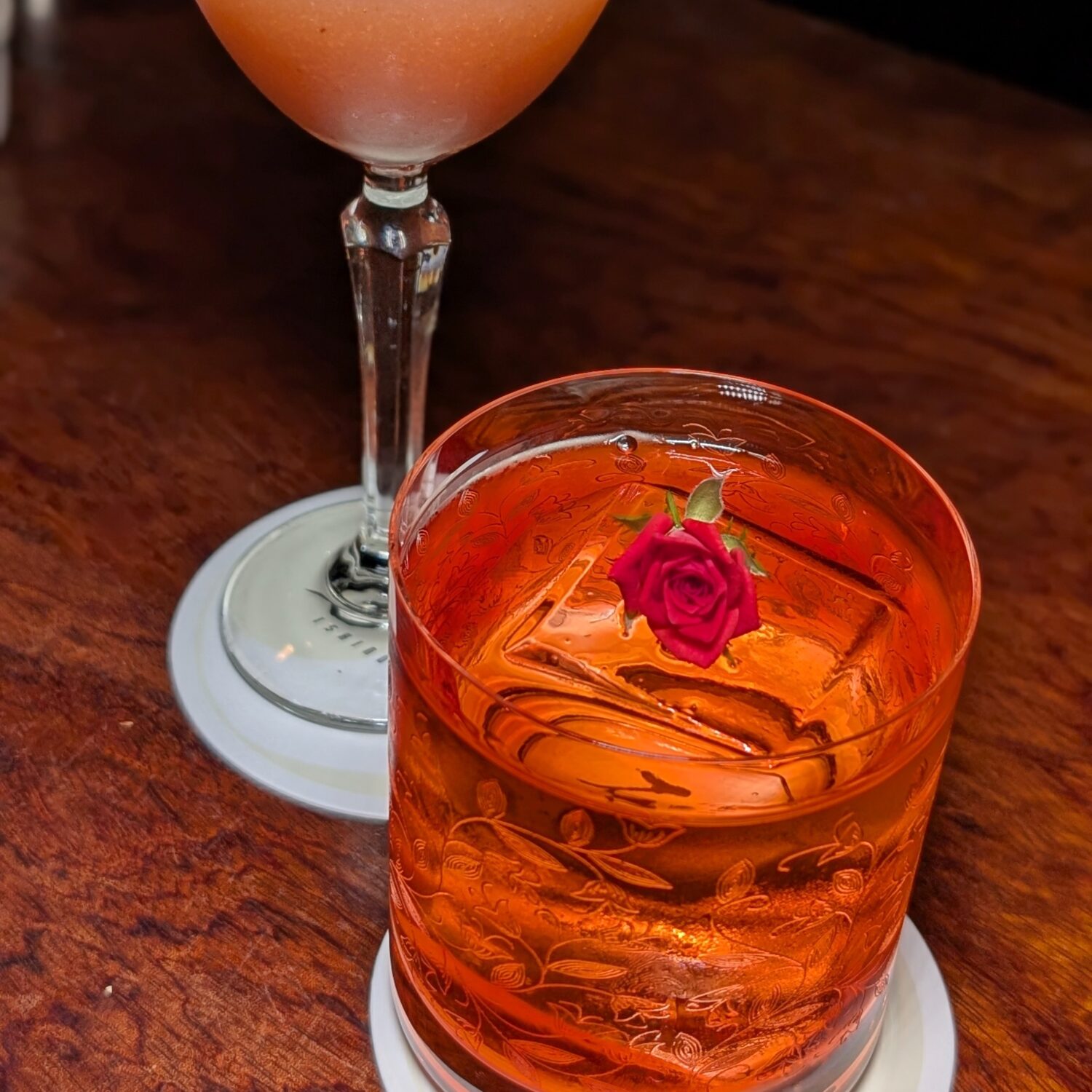
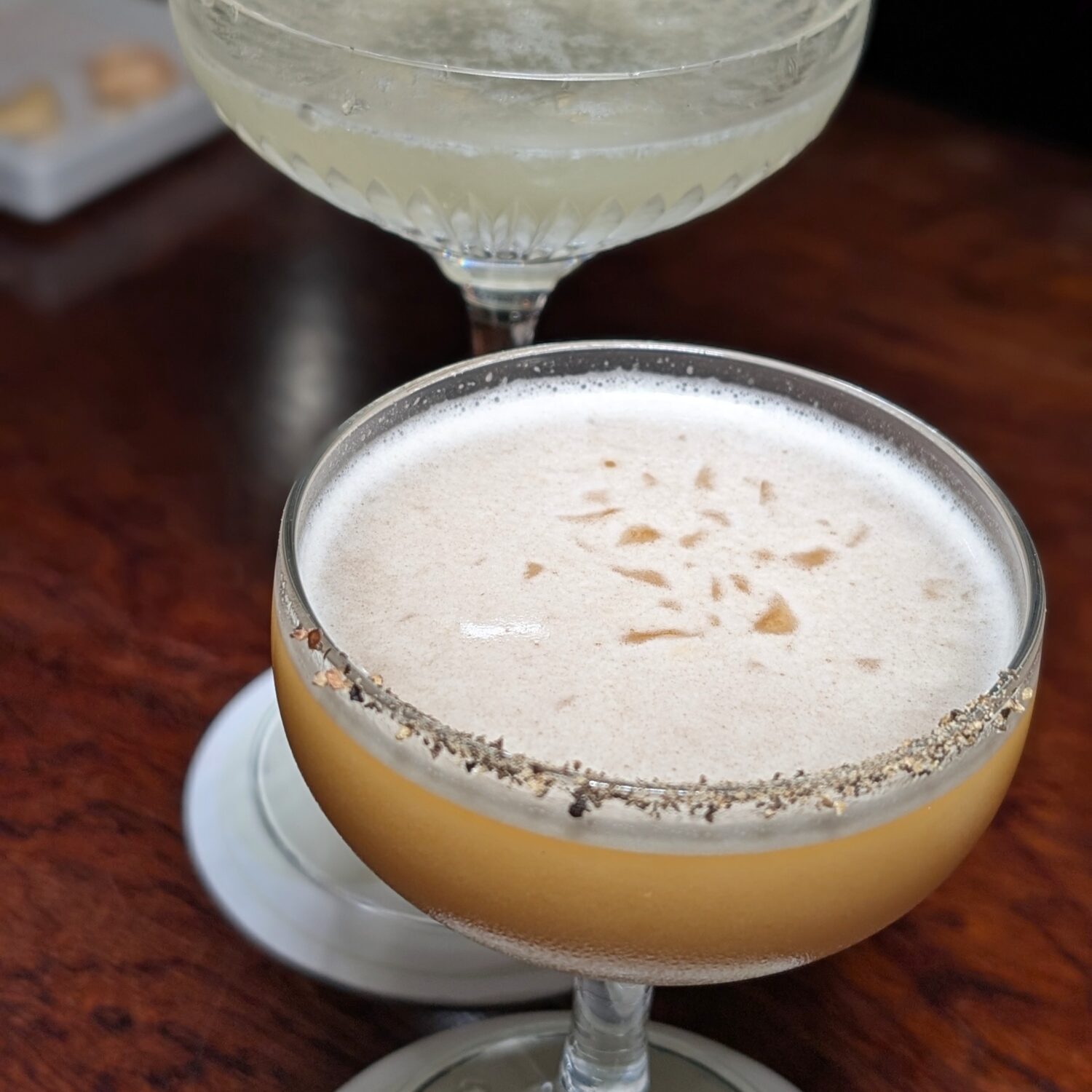
One of Bar Ishinohana’s signature cocktails, the rum-based and beautifully-presented Claudia, delivers Solero-esque creamy freshness with subsequent lashes of peppery savoury, while the Rose Negroni was floral and nostalgic in its olfactory notes. The boozy and chamomile-tinged Sake Martini reminded me of Live Twice’s Vesper with its ice shards, while the Chestnut Sidecar was a savoury and almost Christmassy affair.
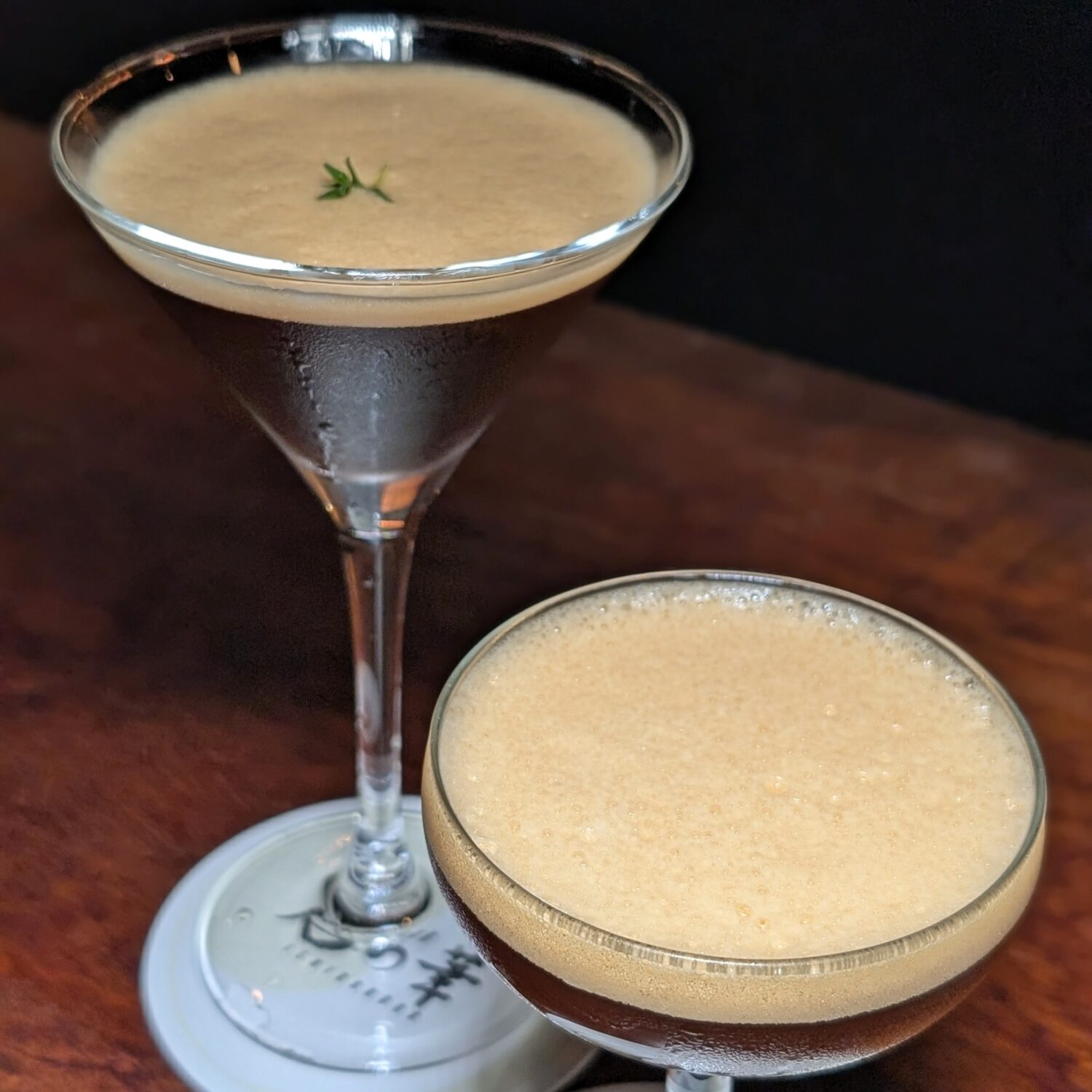
The Smoky Espresso Martini was unapologetically whisky- charged in its promised smokiness, while the Coriander Daiquiri (!) from the coffee cocktail menu made me go “oh f**k” (not necessarily in a bad way).
Bar Ishinohana
3-6-2 Shibuya, Yagi Building 2, B1F
Shibuya, Tokyo
150-0002, Japan
BAR ARAI TATEGUTEN
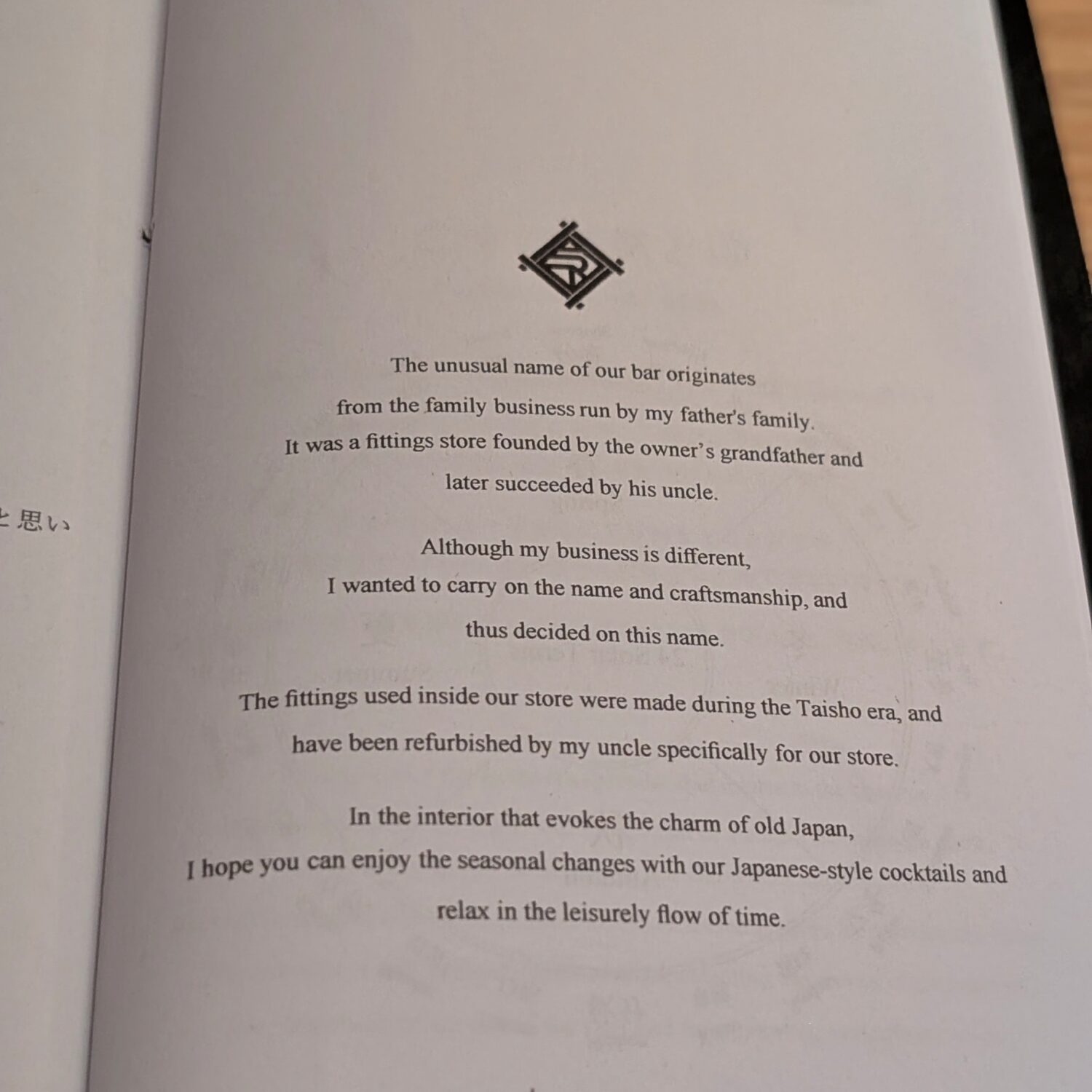
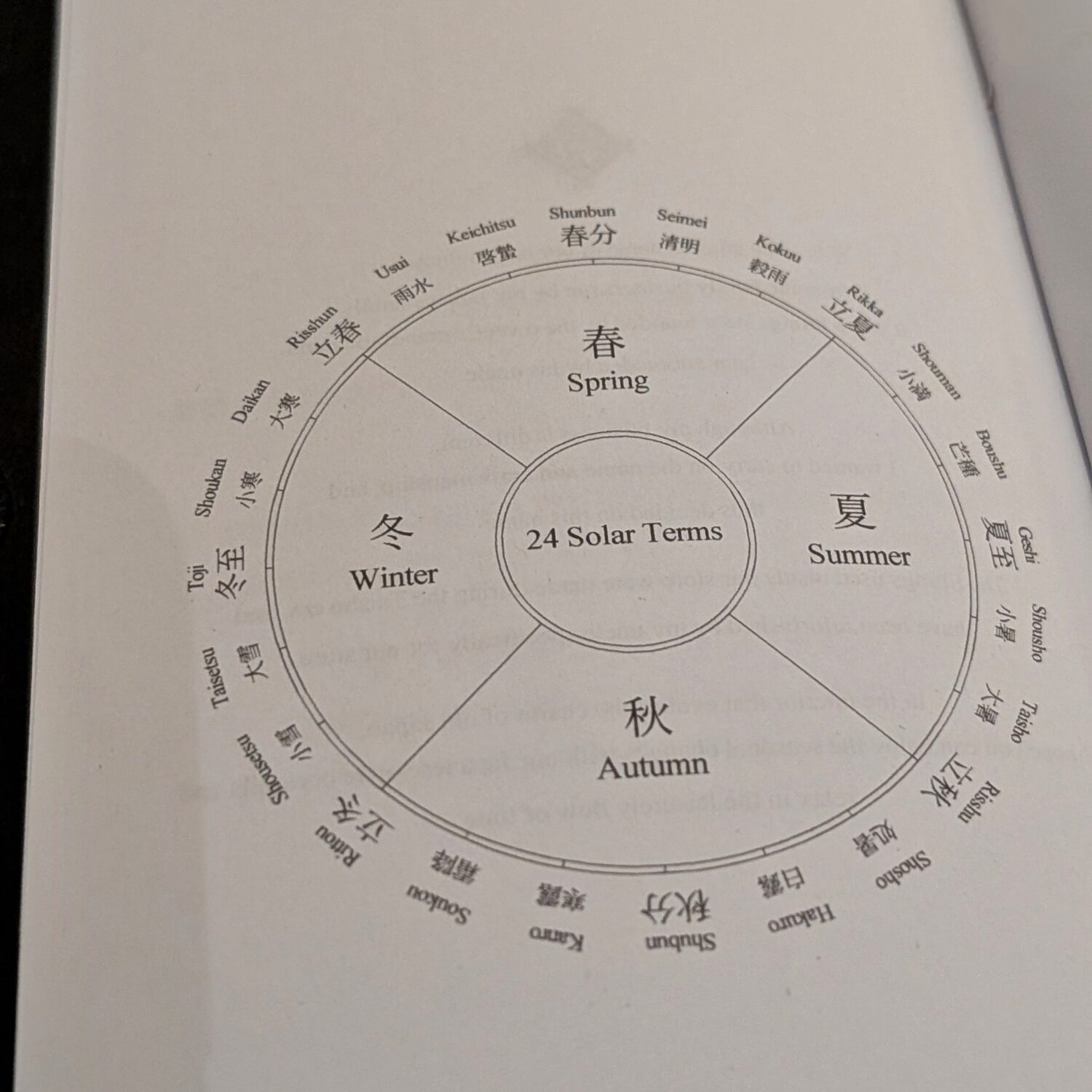
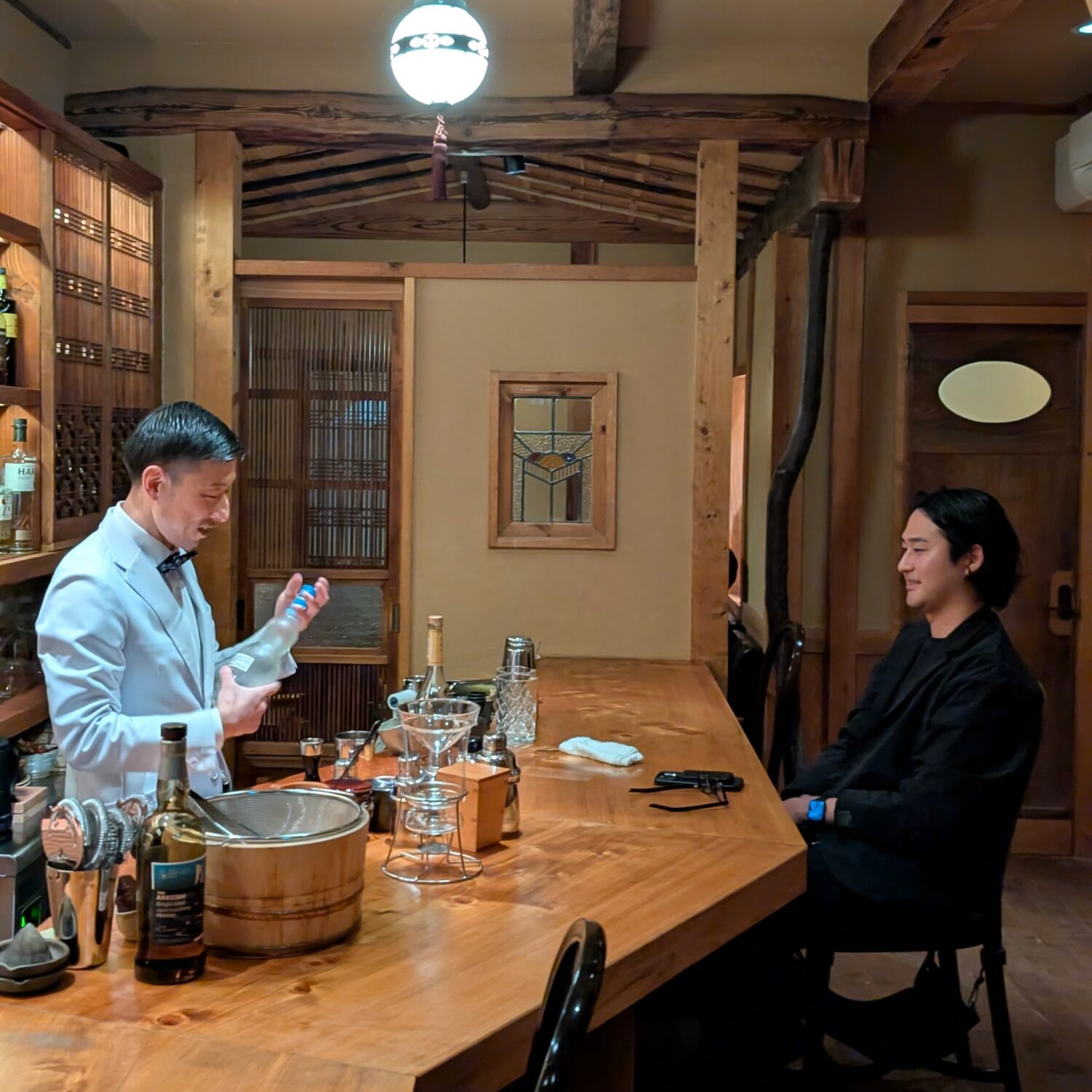
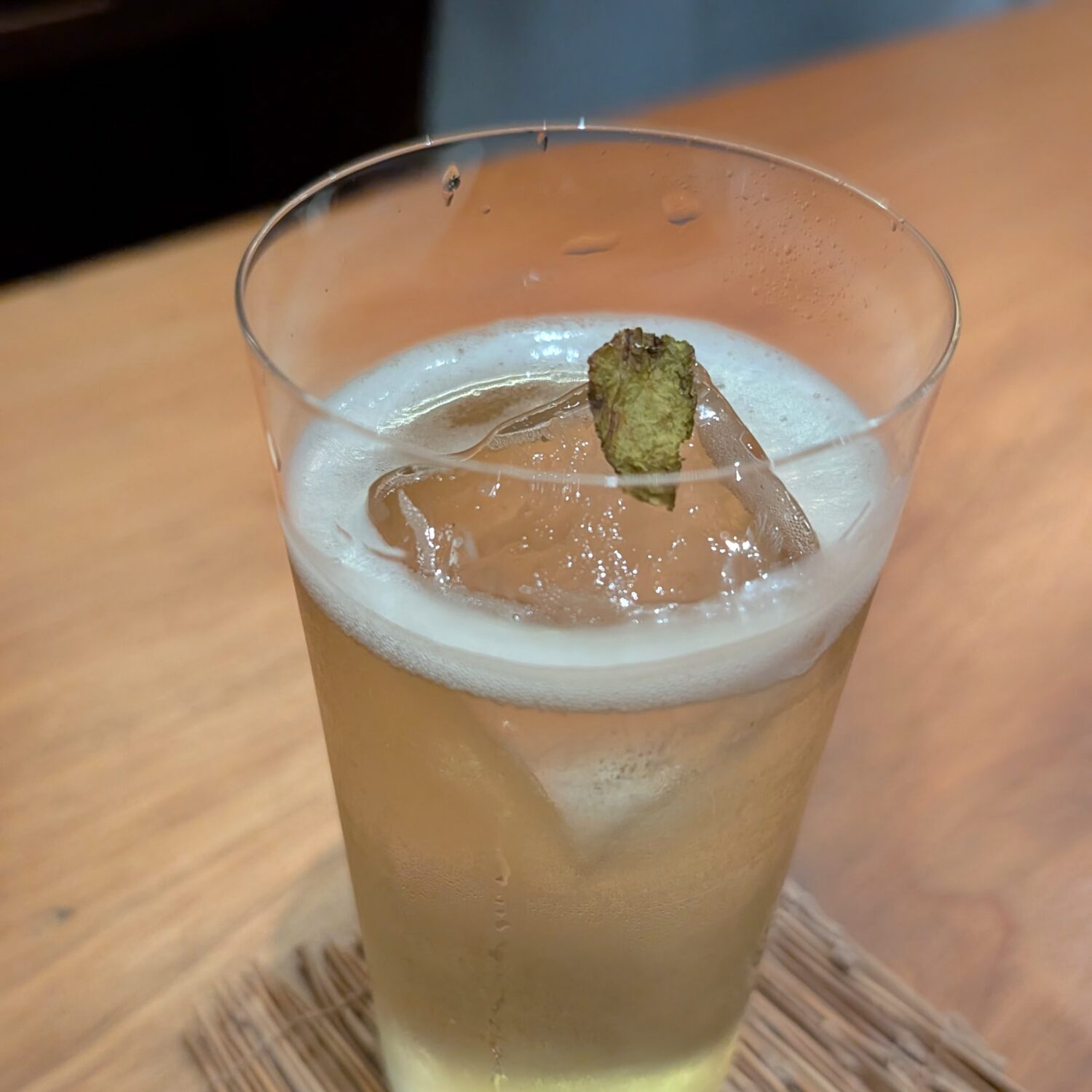
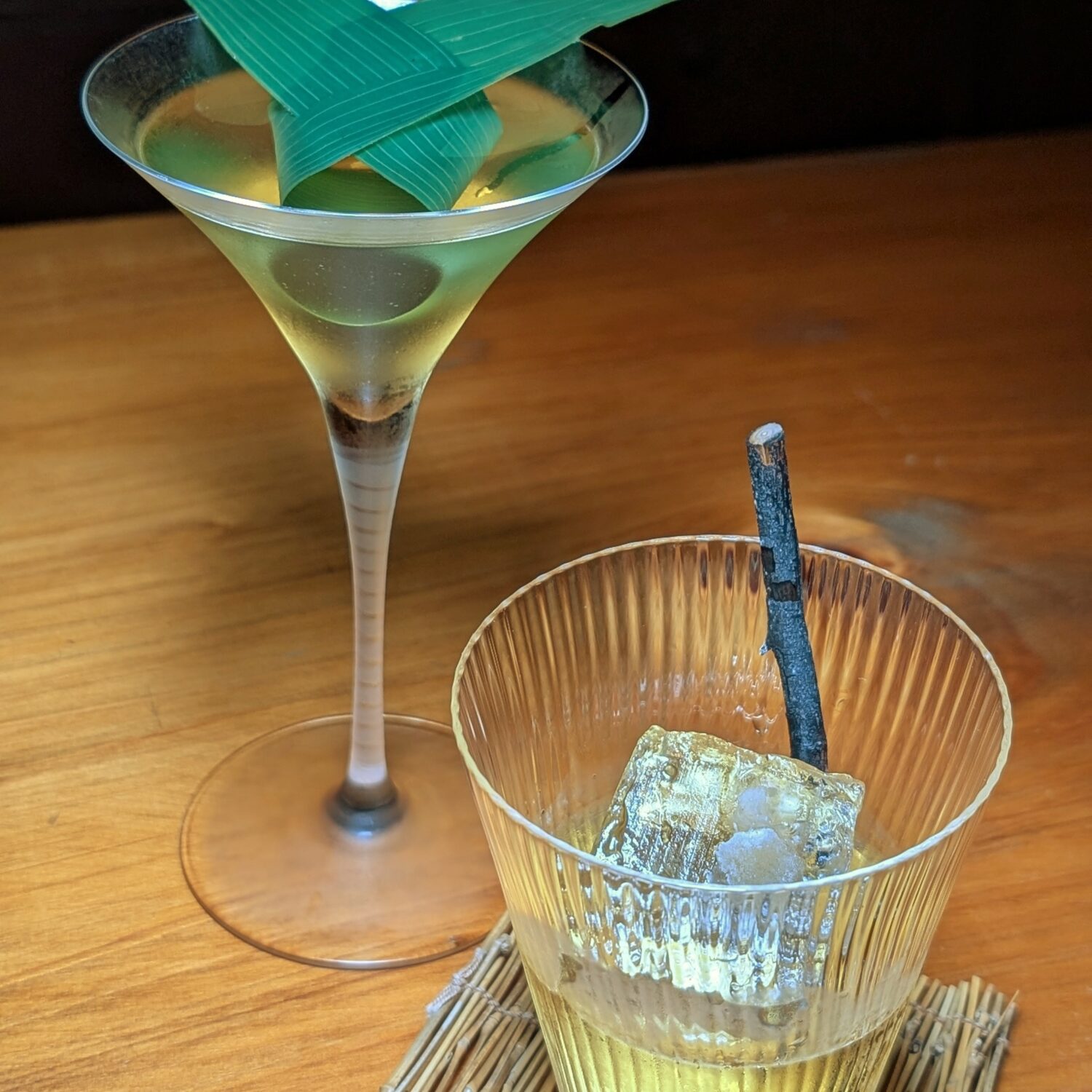
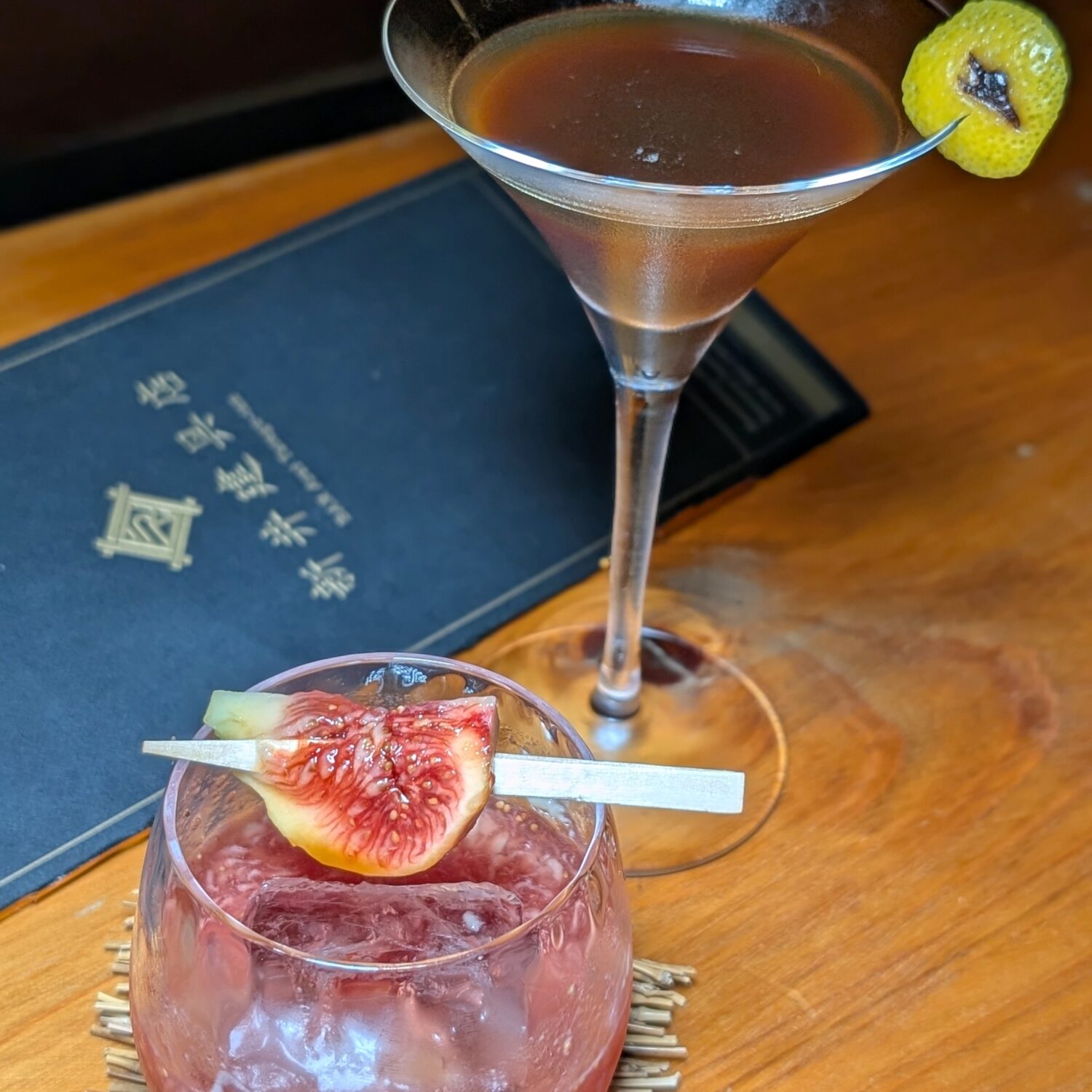
Bar Arai Tateguten (BAR新井建具店), a craft cocktail bar hidden within a dark alleyway along the streets of Tsukishima, Tokyo. The menu’s signature cocktail is 24 Solar Terms, with the bartender creating a different cocktail every “microseason”. My cocktail was Kanro (brown sugar- based liqueur, mirin white bean paste, Japanese mandarin vinegar, sake), a dessert-esque tipple based on a classic Japanese confectionery called Hatsukari inspired by wild geese and other migratory birds which arrive during autumn.
Elsewhere, the smoky Spicebush Old Fashioned played like a thick, textured whisky on the rocks, while the Sasa Bamboo Martini had a brooding, roasty, tea-tannic personality.
Bar Arai Tateguten
3-7-5 Tsukishima
Chuo, Tokyo
104-0052, Japan
BAR TAKAGI KAWAUCHI
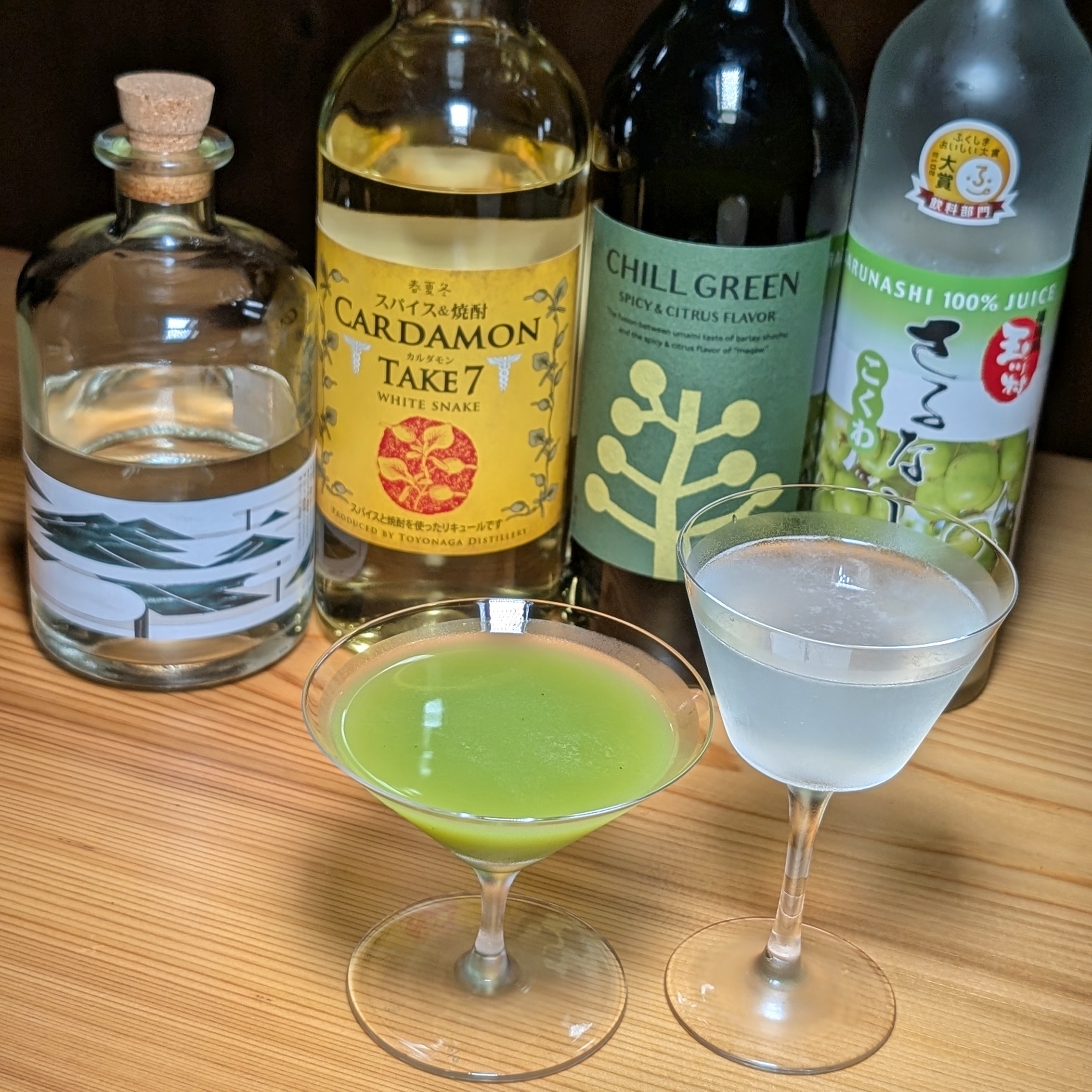
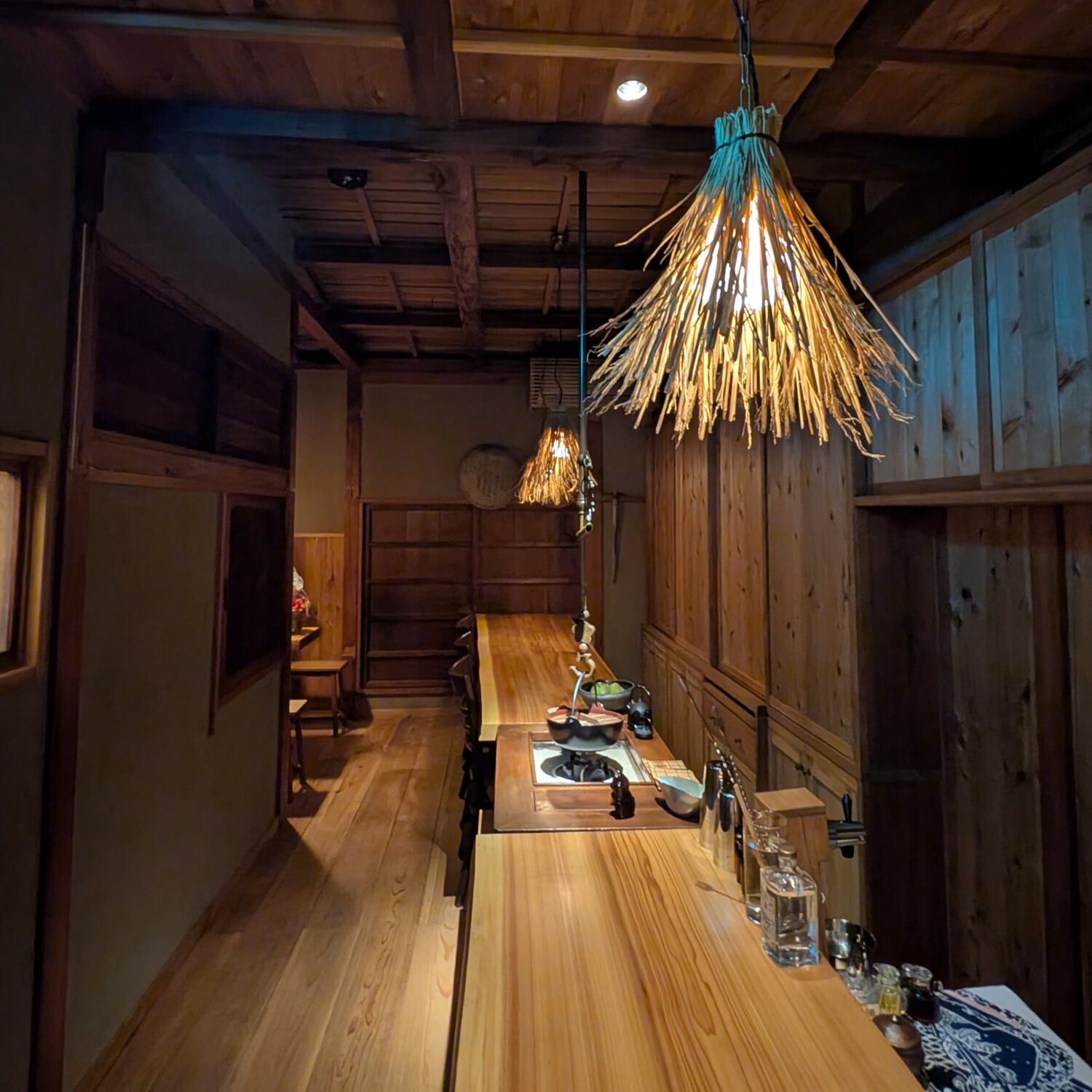
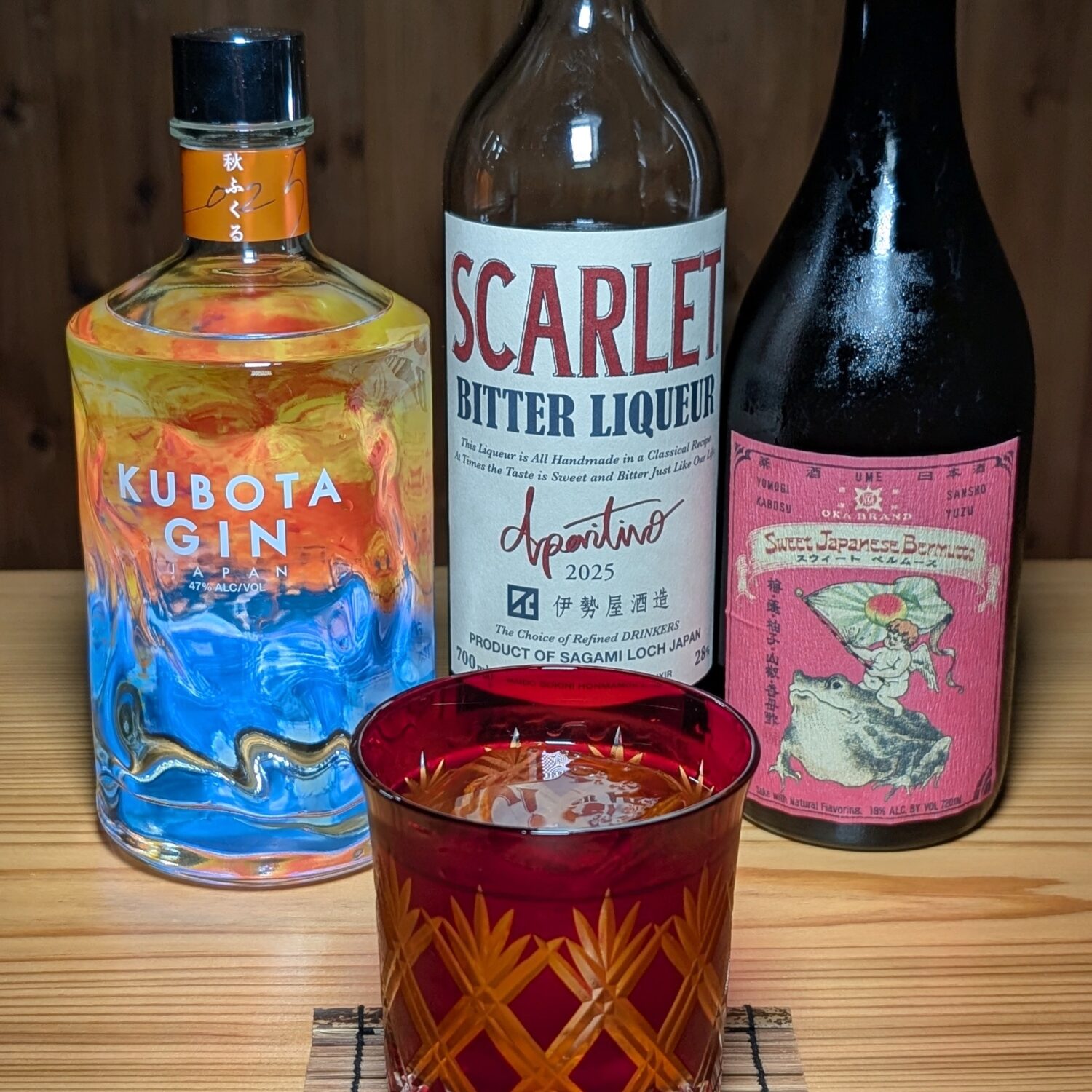
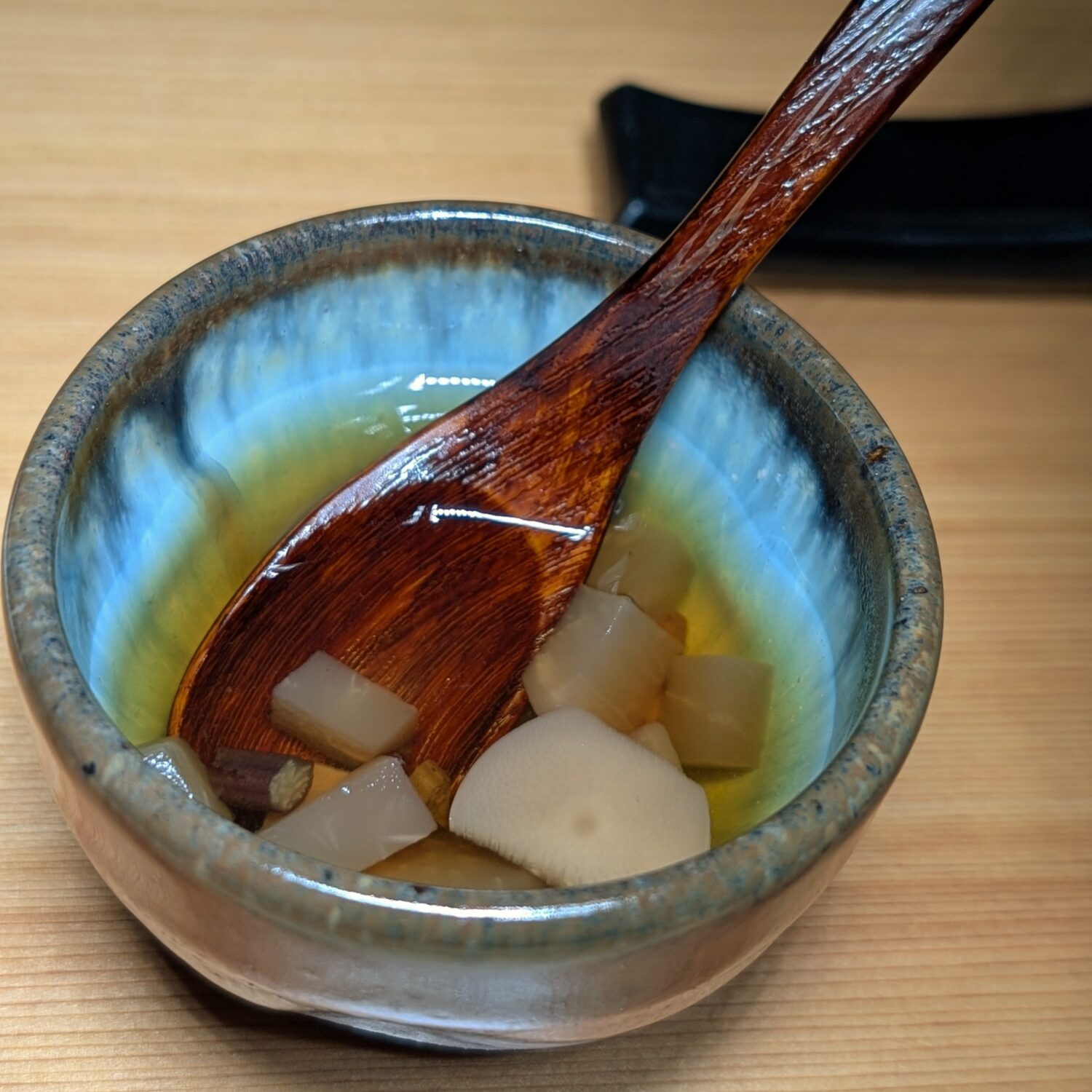
The sister concept of Arai Tateguten, Takagikawauchi (BAR高木 川内) is located on the second level of the same building. The bar takes inspiration from a traditional Japanese barn (they even have an accompanying soundtrack!) and only uses Japanese spirits and ingredients. My herbal Negroni checked the relevant signature flavour notes without the usual ingredients, while Circulation (Japanese forest gin, plum wine, sarunashi juice, matcha, wasanbon) was like Willy Wonka’s magic chewing gum, with different components coming to the fore with every sip. A warm farewell soup ended the evening on a soothing note.
Bar Takagi Kawauchi
3-7-5 Tsukishima
Chuo, Tokyo
104-0052, Japan

Comments are closed.